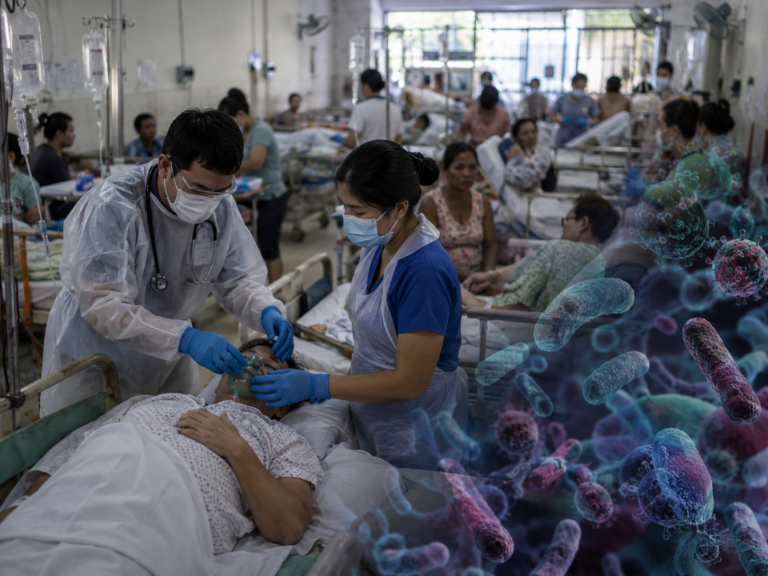

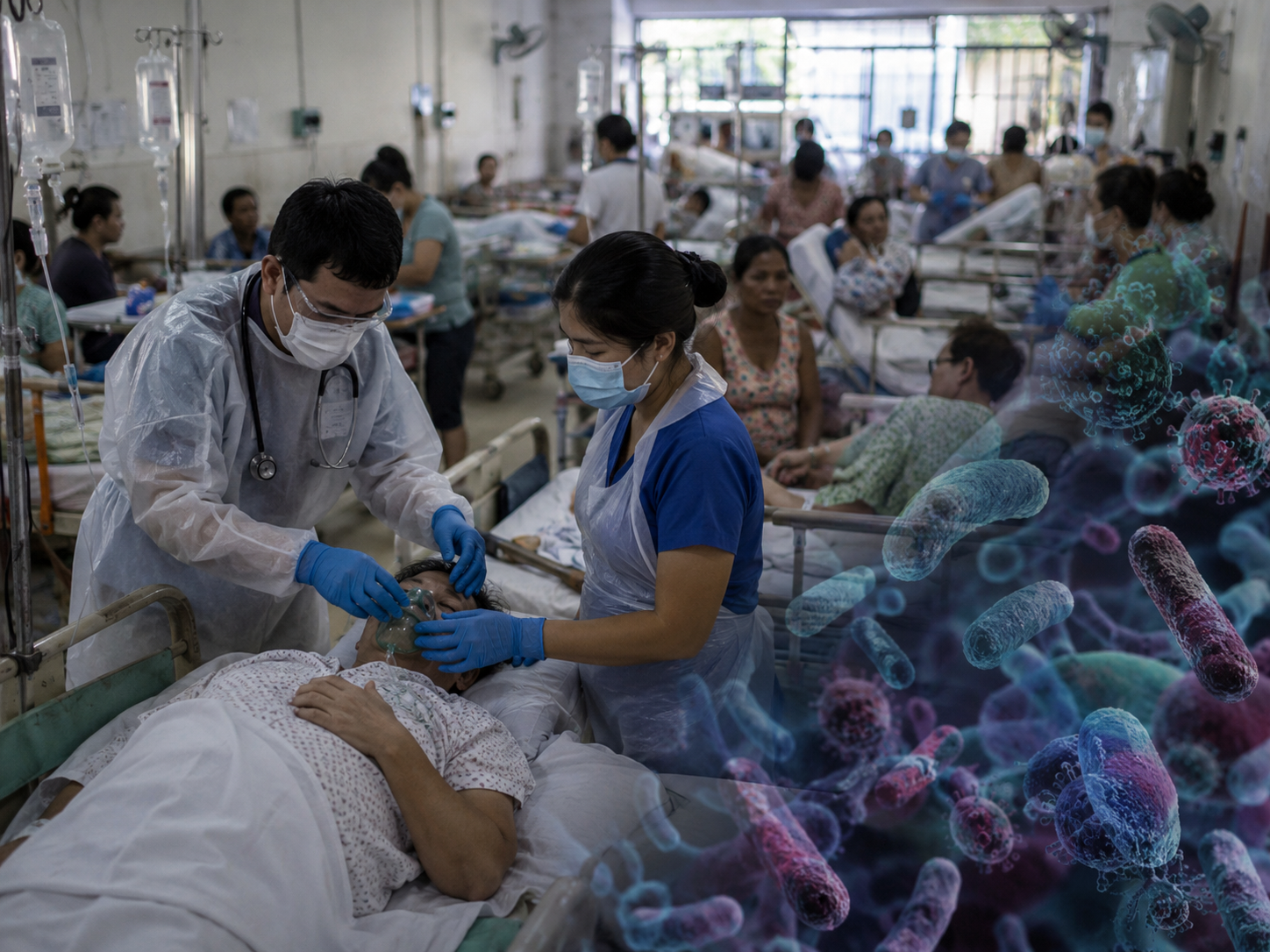
Cancer remains a leading cause of death in the Philippines, and the country’s healthcare system continues to face significant challenges in combating the disease. One of the biggest obstacles to improving cancer outcomes is the widespread lack of awareness regarding early detection and prevention methods. Many Filipinos are unaware of the importance of regular screenings or the risk factors associated with cancer, leading to late diagnoses and poor survival rates.
Efforts to raise awareness about cancer in the Philippines have become a priority for both the government and non-government organizations. A key focus of these efforts is educating the public about the importance of early detection. The Philippine Department of Health (DOH) runs various campaigns aimed at promoting cancer awareness and encouraging the public to undergo regular screenings. These campaigns often focus on the most common cancers in the Philippines, such as breast, cervical, and lung cancer.
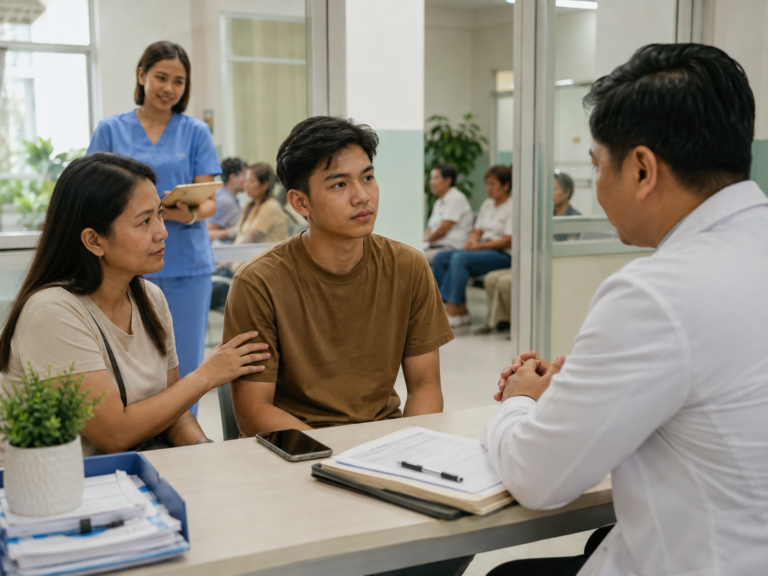
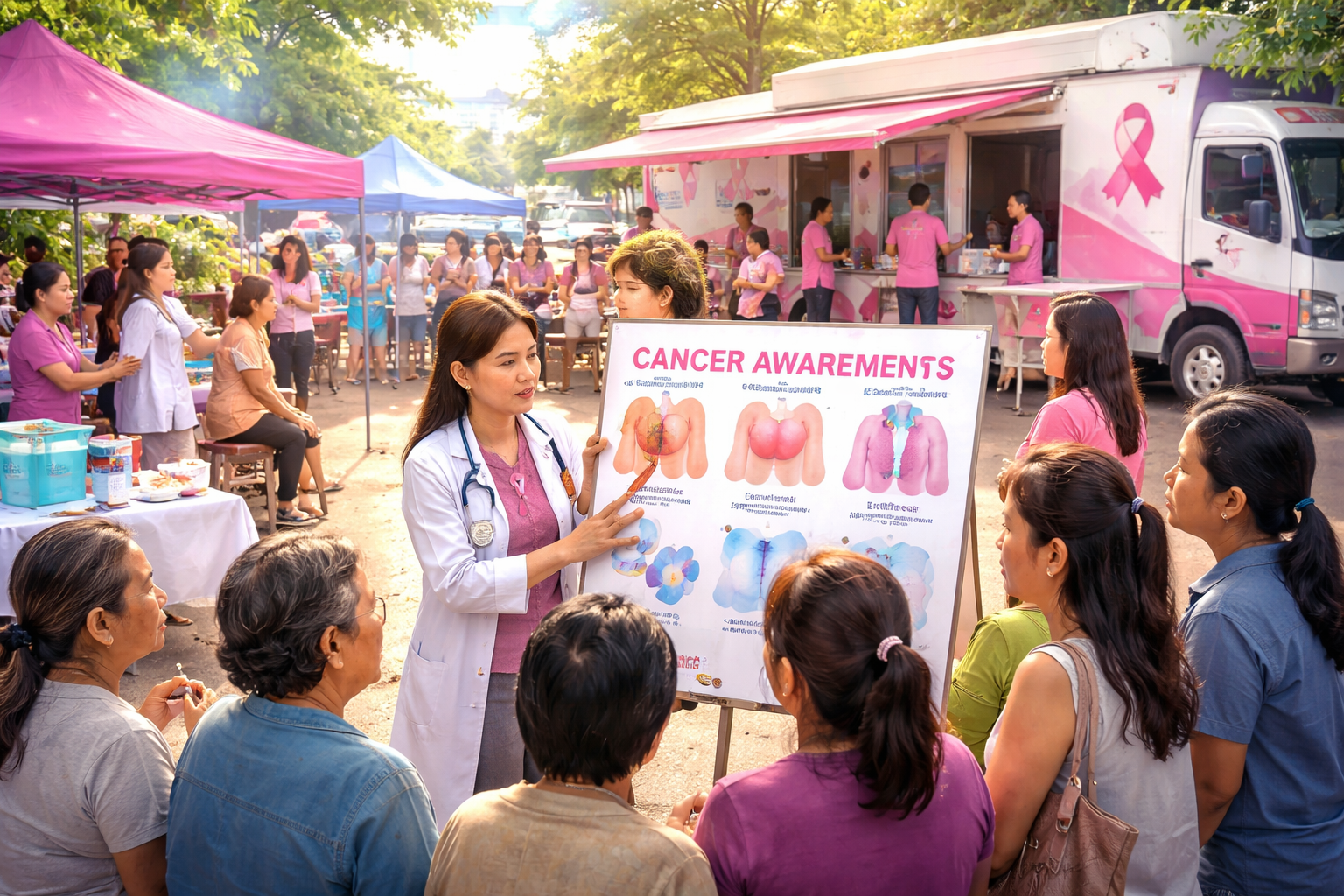
One of the most successful strategies for increasing awareness is the use of community outreach programs. These initiatives engage local leaders and health workers to disseminate information about the symptoms of cancer and the importance of early detection. In addition to providing education, these programs also encourage individuals to visit healthcare facilities for regular check-ups, which can help identify cancer at an earlier, more treatable stage.
Aside from government-led initiatives, the Philippine Cancer Society (PCS) plays a vital role in promoting cancer awareness. The PCS works to create programs that educate the public on cancer prevention, such as encouraging healthier lifestyles and the reduction of cancer risk factors like tobacco use and poor dietary habits. Their campaigns also focus on reducing the stigma associated with cancer, which can often discourage people from seeking timely medical treatment.
In rural and underserved areas of the country, where healthcare access is limited, mobile health clinics have become an essential tool in raising awareness and facilitating early cancer detection. These clinics travel to remote communities to offer free screenings, cancer education, and health consultations. By bringing cancer services directly to the people, these mobile clinics have helped bridge the healthcare gap and encourage more people to seek early treatment.
Overall, raising awareness about cancer and promoting early detection is critical to reducing cancer-related mortality in the Philippines. With continued efforts from the government, health organizations, and local communities, the country can continue to make progress in the fight against cancer, ultimately improving the lives of those affected by the disease.