Maternal and child health in the Philippines continues to face several challenges, despite the country’s overall progress in healthcare. High maternal and child mortality rates, especially in rural and disadvantaged communities, remain a significant concern. In response, the Philippine government, along with international organizations and local NGOs, has implemented several programs and initiatives aimed at improving the health and well-being of mothers and children across the nation.
The National Program for Maternal and Child Health is a comprehensive initiative led by the Department of Health (DOH). This program focuses on improving maternal care, ensuring that women receive adequate prenatal care, skilled assistance during childbirth, and postpartum services. The program also emphasizes the importance of birth spacing, family planning, and maternal nutrition in reducing the risks associated with pregnancy and childbirth.
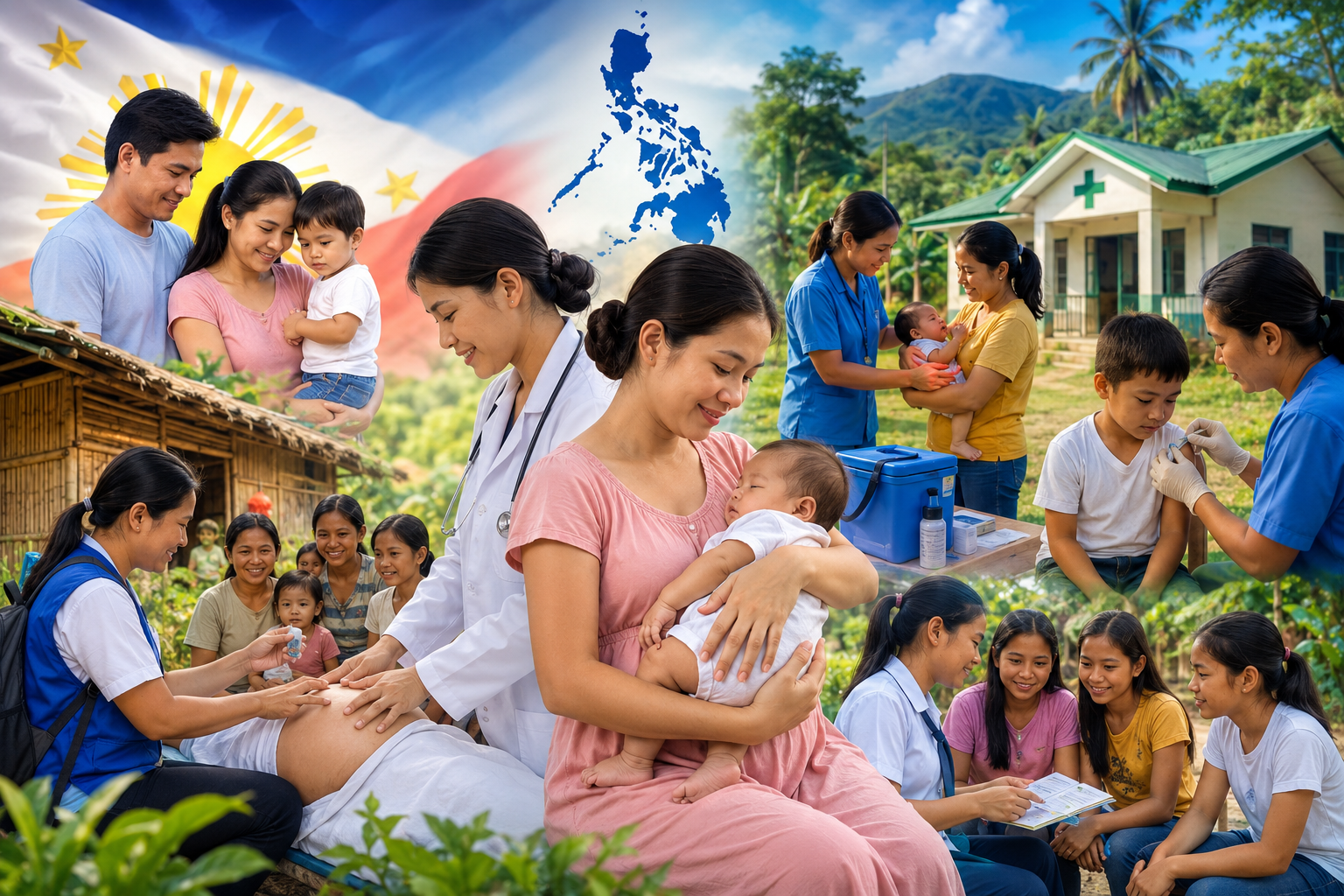
In addition to the national program, the Community-Based Health Programs are crucial for reaching remote areas where healthcare facilities are limited. These programs train community health workers to provide essential services such as immunizations, maternal health education, and referrals to healthcare centers. By empowering local communities, these programs ensure that even those in the most remote areas have access to basic health services.
The Philippine Integrated Disease Surveillance and Response (PIDSR) system also plays a role in improving child health by monitoring and addressing outbreaks of vaccine-preventable diseases. This system works closely with local governments and healthcare providers to ensure that children receive their immunizations on time, helping to prevent the spread of dangerous diseases.
One of the most notable recent programs is the Adolescent Health and Development Program, which focuses on improving the health of young mothers and ensuring that they receive proper education and support during pregnancy and childbirth. This program aims to reduce the number of adolescent pregnancies, which are often associated with higher risks for both the mother and the baby.
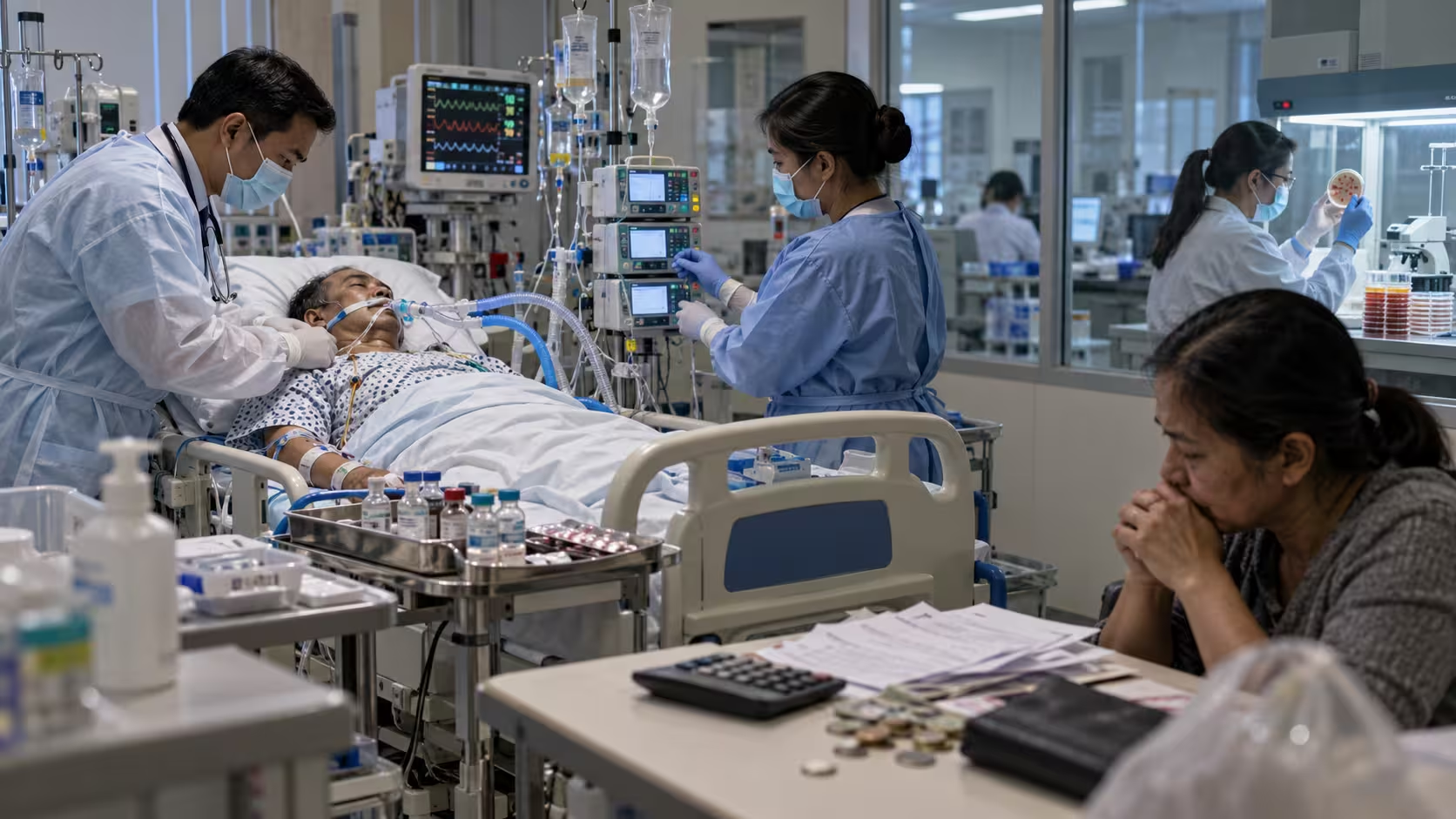
While these programs have made a significant impact, there is still much work to be done. Factors such as poverty, lack of access to healthcare, and cultural barriers continue to hinder progress. Ensuring that healthcare services are available, affordable, and culturally appropriate for all Filipinos remains a top priority for improving maternal and child health in the country.