
The Philippines is known for its vibrant culture, and its fashion scene is a reflection of that dynamism. Over the years, Filipino designers have embraced the idea of blending Western fashion trends with traditional Filipino styles and fabrics, resulting in a unique hybrid that celebrates both the country’s cultural heritage and its global aspirations. This fusion has given rise to a new era in Philippine fashion, where modern, trendy designs are infused with historical significance, offering a truly distinctive look.
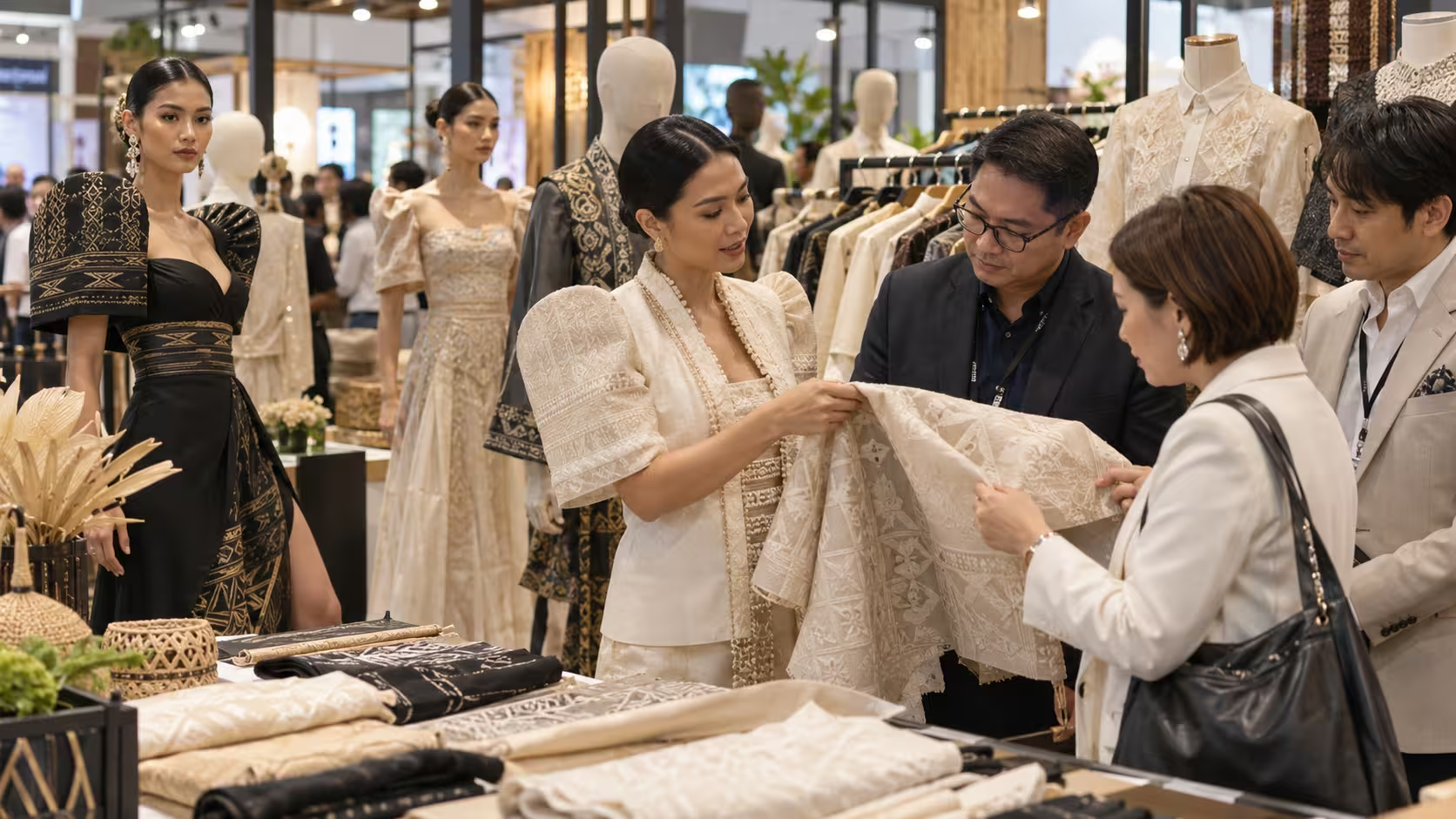
One of the most iconic elements of Filipino fashion is the barong Tagalog, which has traditionally been worn by men for formal events. In recent years, however, designers have reinvented this traditional garment, introducing Western-style cuts, tailoring, and fabrics to create more contemporary versions of the barong. Designers like Francis Libiran and Joey Samson have been at the forefront of this reinvention, blending traditional barong elements with modern fashion techniques to create garments that appeal to a broader, more youthful audience.
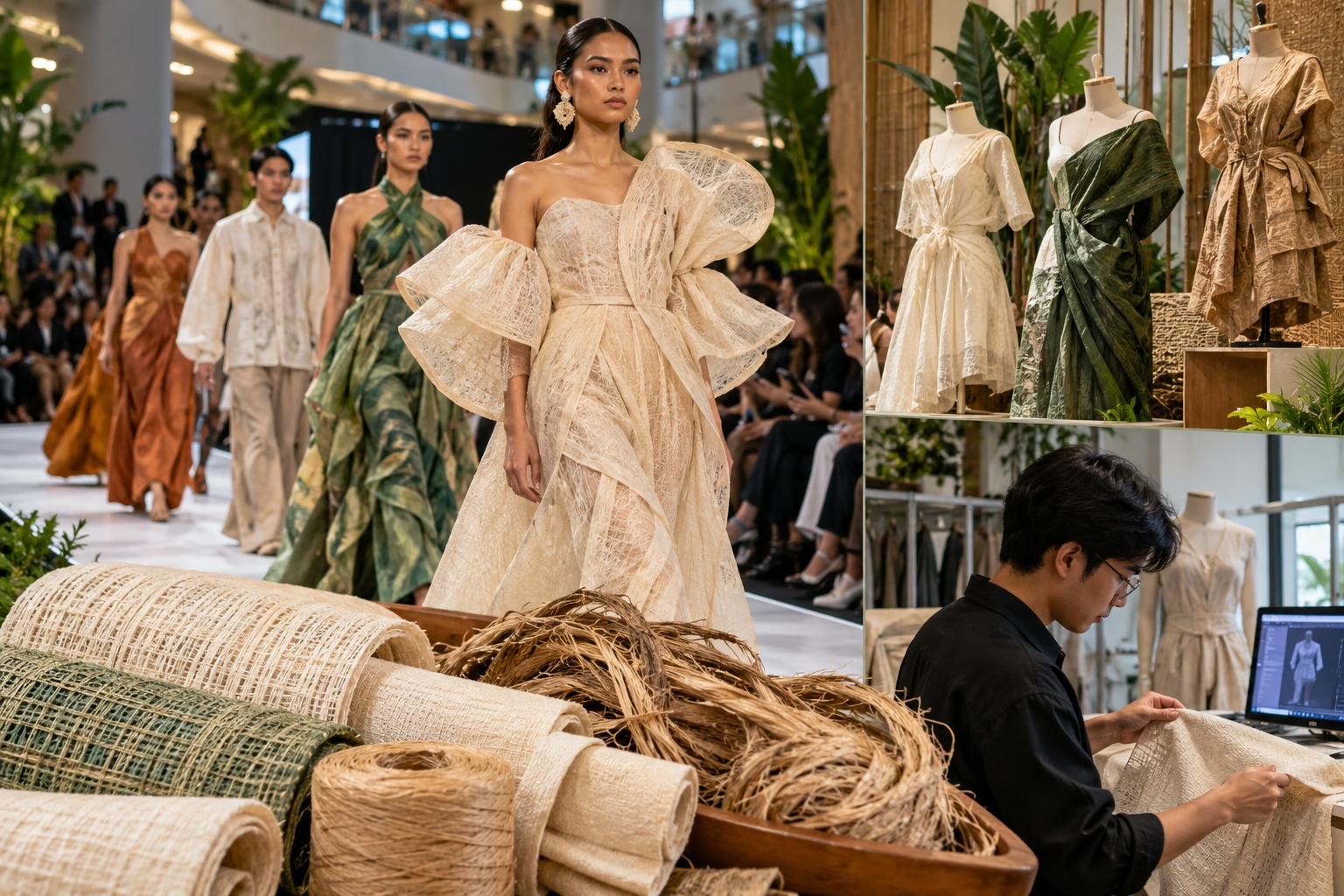
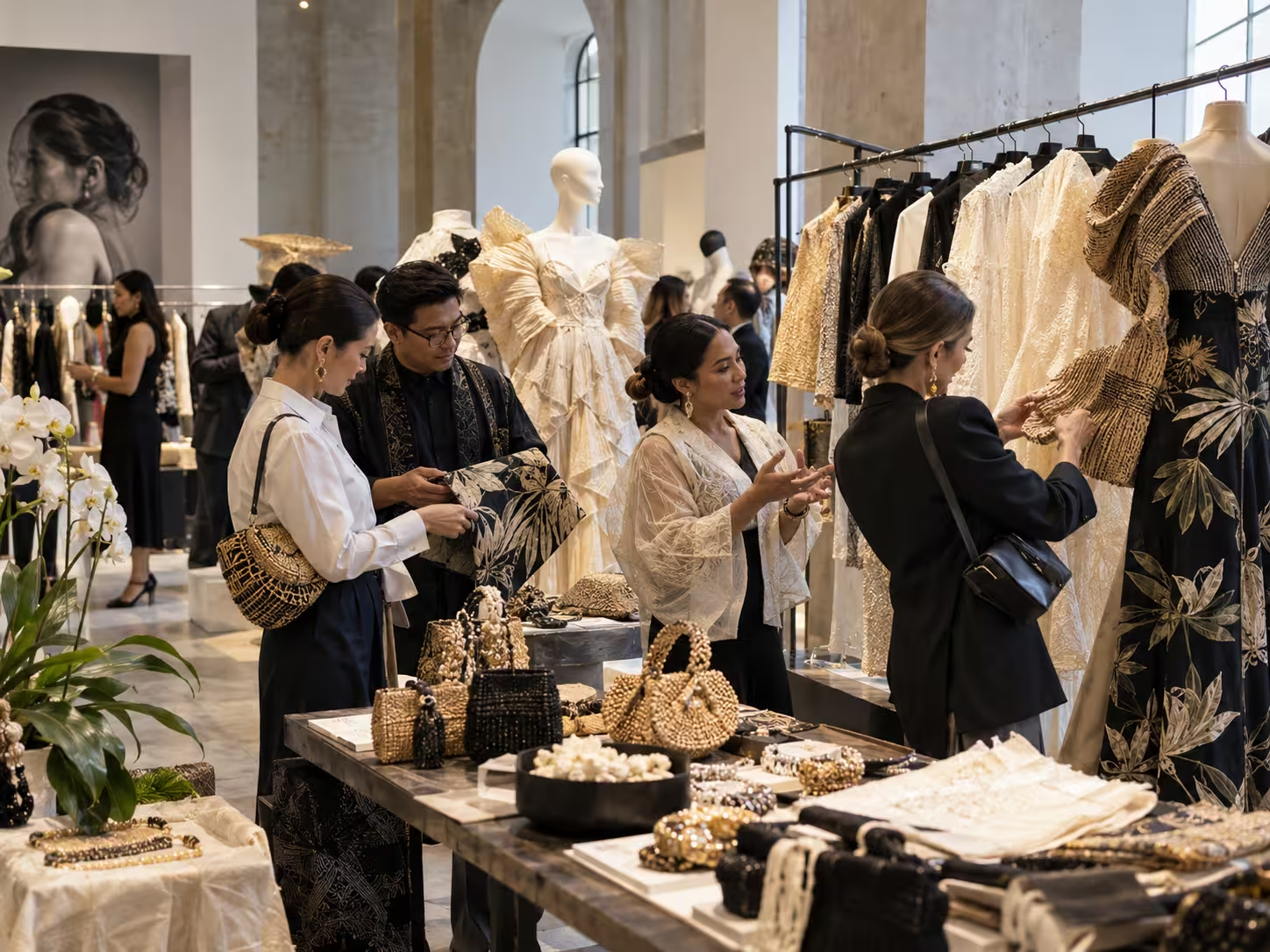
Another notable example of the fusion of Western and local styles can be seen in the use of indigenous Filipino textiles. Fabrics such as piña, abaca, and jusi, which have long been used in traditional Filipino garments, are now being incorporated into modern fashion pieces. Designers have found innovative ways to combine these materials with Western silhouettes such as tailored suits, flowing dresses, and structured tops. The result is a fresh take on Filipino fashion that is both culturally rich and globally relevant.
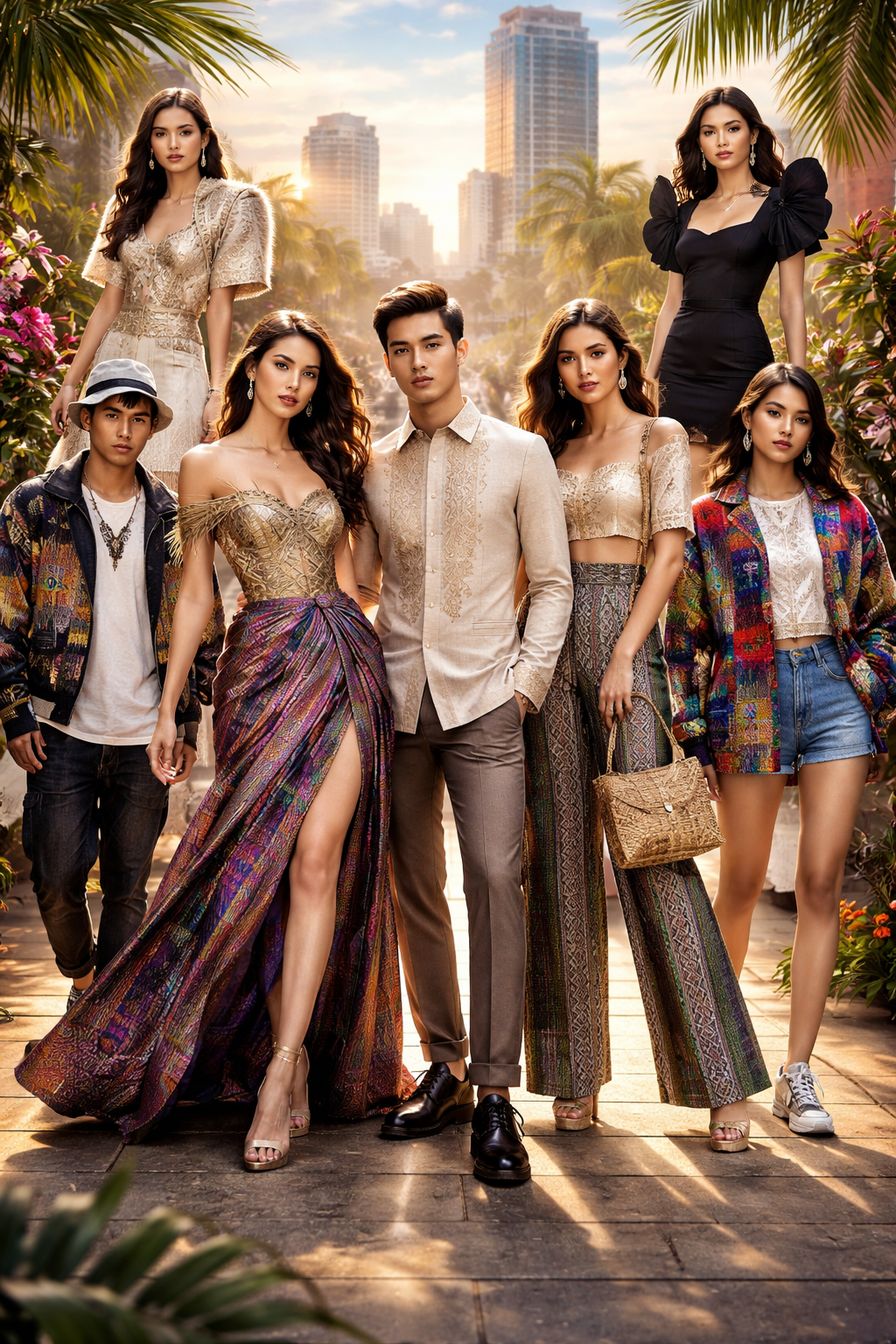
The streetwear movement in the Philippines is also a prime example of how Western influences have shaped the country’s fashion landscape. The rise of street fashion has led to a growing interest in casual, comfortable clothing such as oversized T-shirts, sneakers, and hoodies. Filipino designers have responded to this trend by infusing local fabrics and patterns into streetwear collections, giving these global styles a distinctly Filipino twist. This fusion of street style and indigenous culture has resonated with young Filipinos, making it a significant part of the local fashion scene.
Social media has played an important role in promoting the fusion of Western and Filipino fashion styles. Influencers like Bea Soriano-Dee and Martine Cajucom have helped popularize outfits that merge local and international influences, often showcasing how traditional Filipino elements can be combined with modern, trendy pieces. Their social media presence has given Filipino fashion a platform to reach a wider audience, helping to elevate the country’s fashion industry on the global stage.
Filipino fashion is also becoming known for its emphasis on sustainability, with many designers prioritizing the use of locally sourced materials and ethical production methods. By incorporating indigenous fabrics into modern designs, Filipino fashion not only supports local artisans but also promotes environmentally conscious practices. This sustainable approach, combined with the fusion of Western and local influences, has made Filipino fashion both innovative and socially responsible.
In the future, the fusion of Western and local styles in Filipino fashion is likely to continue evolving, with designers pushing the boundaries of creativity while staying rooted in their cultural heritage. As Filipino fashion becomes more visible on the global stage, this harmonious blend of influences will ensure that the country’s fashion identity remains distinctive and relevant in the ever-changing world of fashion.