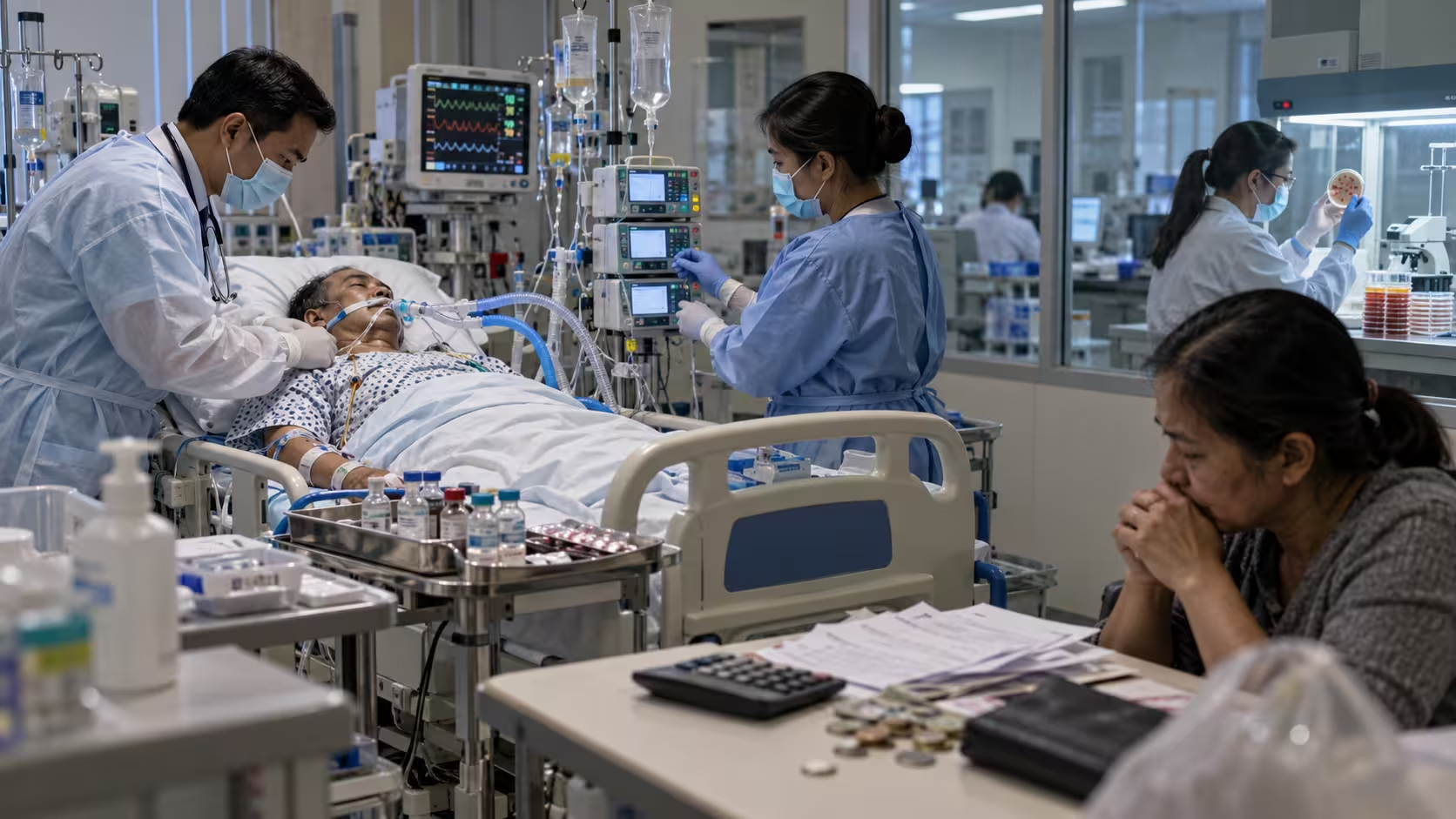


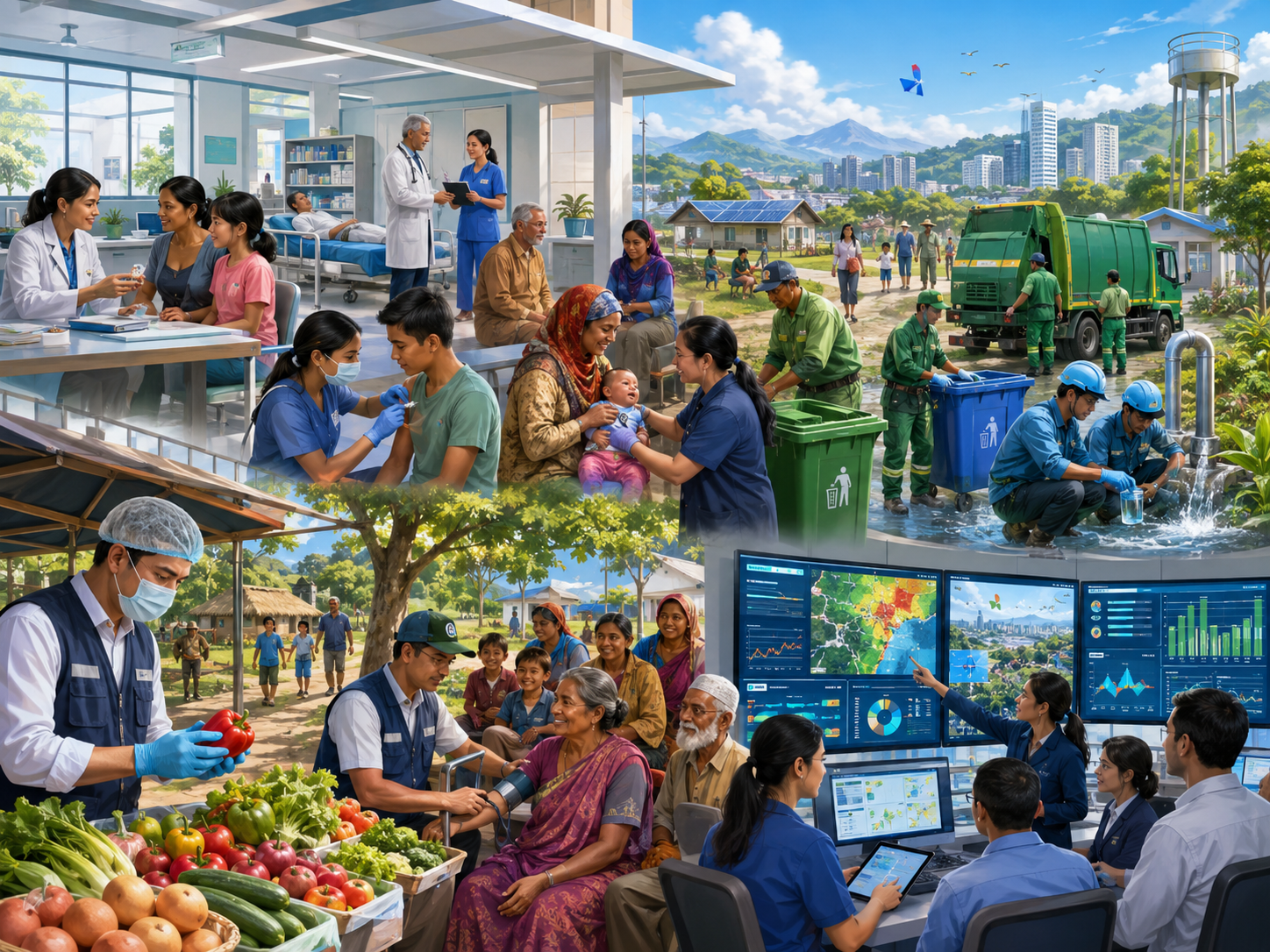
Public health management requires organized action because health problems often spread beyond individual control. A person may choose to live healthily, but their well-being can still be affected by polluted air, unsafe food, contaminated water, disease outbreaks, or lack of healthcare services. This is why the government has a major responsibility in protecting the health of the population. Government action is needed to create systems that prevent illness, provide treatment, and improve living conditions.
One of the government’s main duties is establishing laws and standards related to health. These laws may regulate hospitals, medicines, food safety, environmental cleanliness, vaccination requirements, and disease reporting. Regulations help prevent harmful practices and ensure that public services meet acceptable standards. For example, food producers must follow hygiene rules, factories must manage waste properly, and health facilities must provide safe treatment. Such rules protect people from risks that are difficult to manage individually.
Funding is another important part of government responsibility. Public health programs need financial support to operate effectively. Vaccination campaigns, health centers, disease control programs, clean water projects, and maternal health services all require budgets. Without enough funding, even good health policies may fail. Government investment in health should be seen as long-term development, because healthier citizens are more productive and less likely to suffer from preventable diseases.
The government must also guarantee access to basic healthcare. People living in rural, poor, or isolated areas often experience difficulty reaching doctors, nurses, medicines, and hospitals. To solve this problem, governments can build community health centers, provide mobile clinics, train local health workers, and support public health insurance. Equal access is important because untreated illness in one part of society can create wider social and economic problems.
Disease prevention is another central responsibility. Public health should not depend only on curing sick people. It should also focus on keeping people healthy. Government programs can promote immunization, sanitation, healthy eating, physical activity, reproductive health, and mental well-being. Campaigns against smoking, excessive alcohol use, drug abuse, and unhealthy diets can reduce the risk of long-term diseases. Prevention is especially important because many illnesses can be avoided through early action.
The government also has to monitor health conditions in the population. This can be done through data collection, laboratory testing, disease reporting, and community surveys. Health data allows the government to identify problems early and decide which areas need urgent attention. For example, if cases of dengue fever rise in one region, authorities can organize mosquito control, public warnings, and medical preparation. Good data makes public health responses faster and more accurate.
Public communication is equally important. During health crises, people need clear and trustworthy information. Confusing messages can lead to fear, rumors, or unsafe behavior. The government should communicate through official channels, schools, community leaders, and media platforms. Health messages should be easy to understand and based on reliable evidence. When people trust public information, they are more likely to follow health recommendations.
Finally, public health problems must be handled through cooperation. The government should work with local communities, private institutions, schools, non-governmental organizations, and international partners. Many health problems are connected to poverty, education, housing, environment, and employment. Therefore, solutions must involve more than medical treatment. By combining strong policies, sufficient resources, prevention programs, and community participation, the government can build a healthier and more resilient society.