
Sleep is essential for survival, recovery, and daily functioning. In the Philippines, however, many people do not get enough quality sleep. Busy work schedules, long commutes, financial pressure, academic demands, household responsibilities, and late-night screen use often interfere with regular rest. These habits can create serious effects on health when they continue for a long time.
A healthy sleep pattern means sleeping at the right time, getting enough hours, and waking up feeling restored. For adults, this usually means seven to nine hours of sleep each night. Children and teenagers need more because their bodies and brains are still developing. Unfortunately, many Filipinos sleep less than recommended. Some stay awake late to finish schoolwork or job tasks, while others lose sleep because of noise, heat, crowded living conditions, or stress.
One of the most common causes of poor sleep in the Philippines is the modern work environment. Many employees work irregular schedules, especially in industries such as business process outsourcing, healthcare, transportation, hospitality, and security. Night-shift workers often sleep during the day, but daytime sleep can be interrupted by sunlight, household noise, and social obligations. This makes it harder to achieve deep and continuous rest.
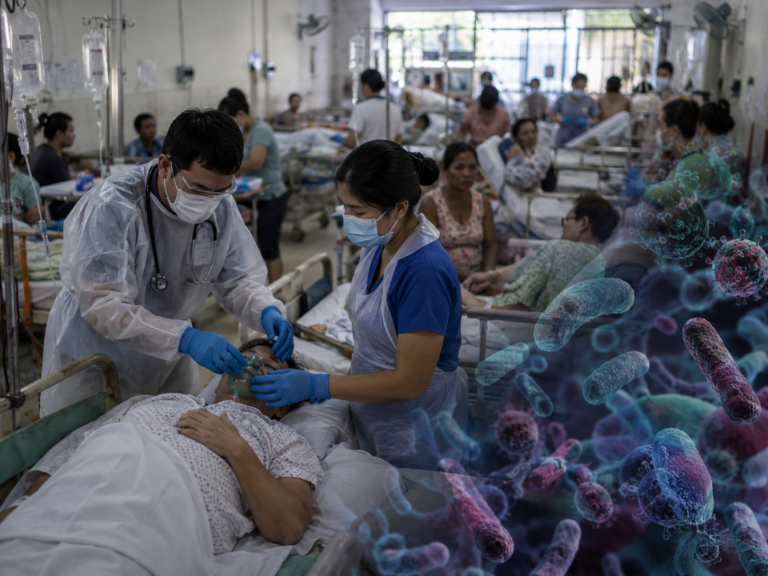
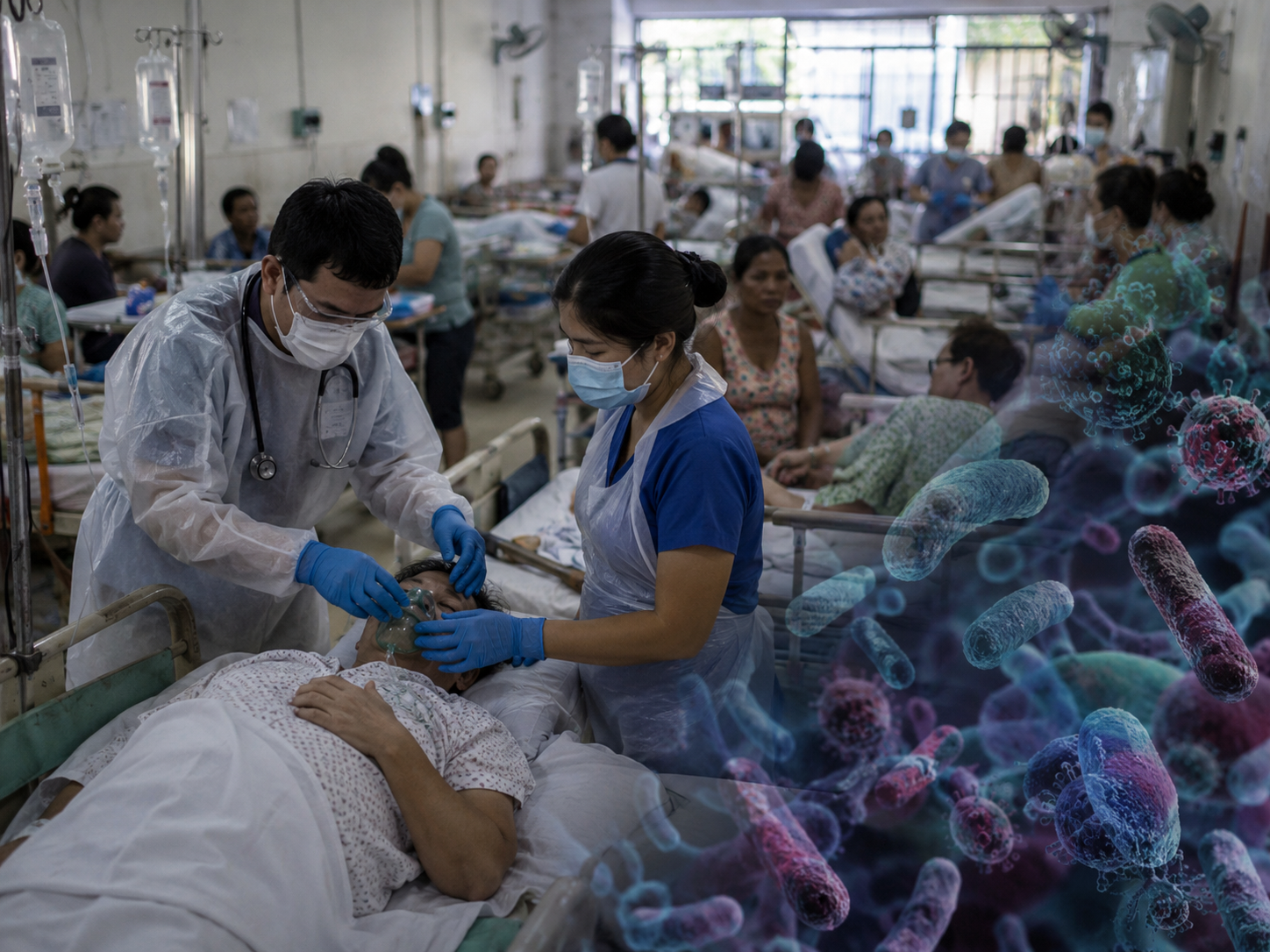
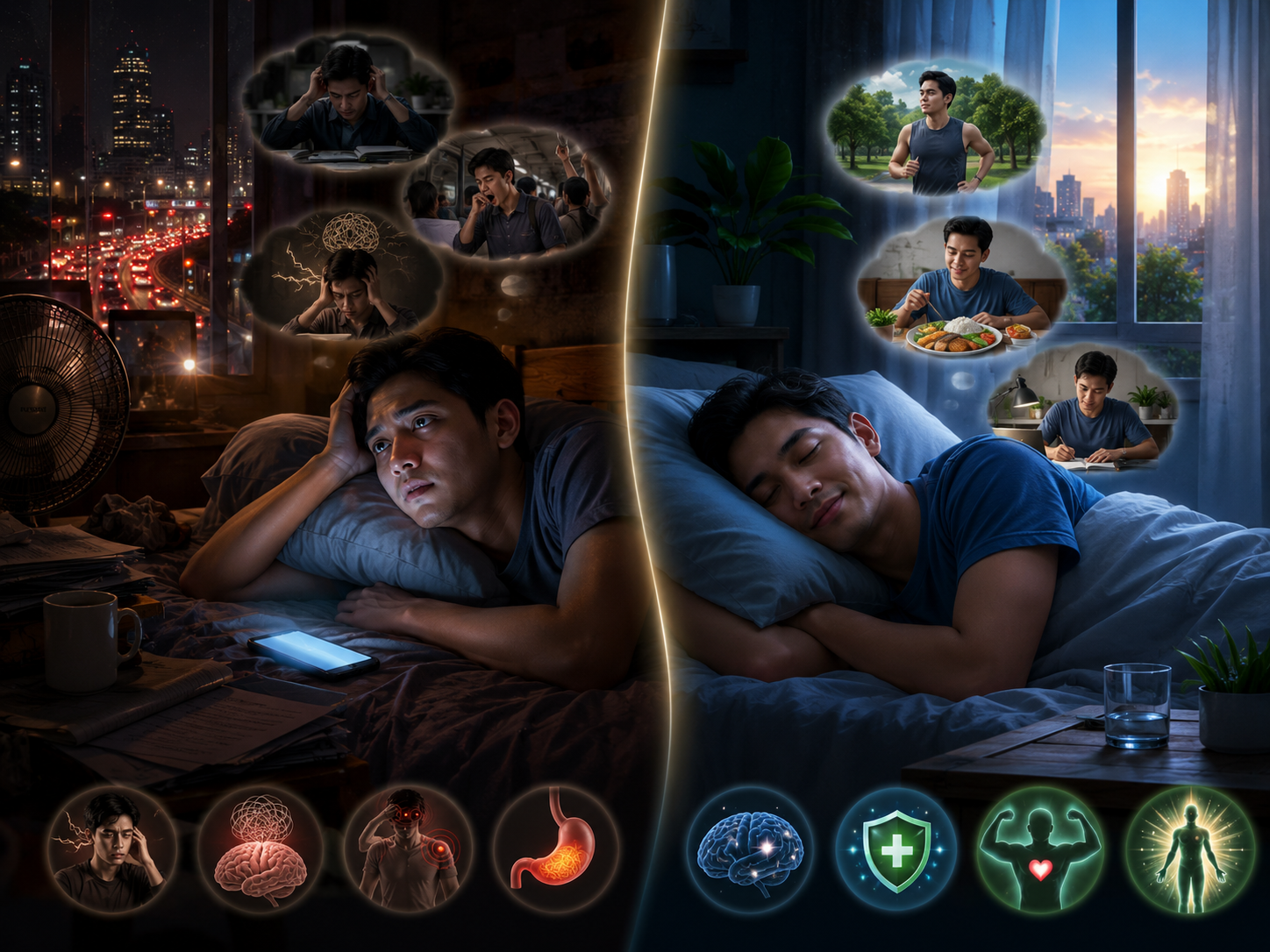
The body depends on sleep to restore itself. While a person sleeps, the immune system becomes active, damaged cells are repaired, and hormones are regulated. Without enough sleep, the body may become weaker and less prepared to fight disease. This can lead to frequent tiredness and a higher chance of infections. For people who already have health problems, poor sleep may slow recovery and worsen symptoms.
Sleep is also important for the heart and blood vessels. Irregular sleep can raise stress levels in the body and may contribute to high blood pressure. When combined with other lifestyle risks, such as lack of exercise, smoking, high salt intake, or frequent consumption of processed food, poor sleep can increase the danger of chronic disease. This makes sleep health an important issue for Filipino communities.
The brain is strongly affected by sleep patterns. Good sleep supports memory, learning, decision-making, and emotional control. Students who sleep well are more likely to understand lessons and perform better in school. Workers who get enough rest can focus more effectively and avoid errors. On the other hand, sleep-deprived people may feel confused, forgetful, impatient, or unmotivated.
Mental health is another serious concern. Lack of sleep can increase feelings of stress, sadness, and anxiety. In Filipino culture, many people balance work, family care, financial duties, and social expectations. When sleep is poor, these responsibilities may feel heavier. Rest allows the mind to recover from daily pressure and helps people respond to challenges more calmly.
Technology has made bedtime routines more difficult. Smartphones, social media, streaming platforms, and online games can keep people awake longer than planned. The brain remains stimulated, and screen light can delay the natural signals that prepare the body for sleep. Because of this, reducing device use before bedtime is one of the most helpful steps toward better rest.
Improving sleep in the Philippines requires both personal discipline and social support. People can create regular sleep schedules, avoid coffee at night, keep bedrooms dark and comfortable, and set boundaries around phone use. Employers can design fairer shift systems, while schools can educate students about the importance of rest.
Good sleep strengthens the body, sharpens the mind, and improves emotional balance. For Filipinos, developing healthier sleep patterns can lead to better performance, stronger immunity, and a lower risk of long-term illness.