The Philippines Beyond the Famous Four
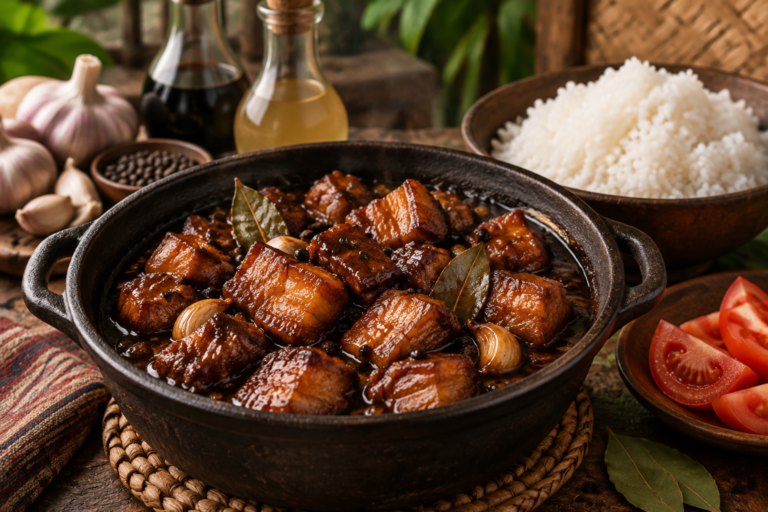
When international food media covers Filipino cuisine, the same dishes appear: adobo, sisig, sinigang, lechon. The Michelin Guide’s 2026 recognition of the Philippines as a top food destination reinforced these familiar ambassadors, noting standout dishes including sisig, sinigang, inasal, and adobo. But the true depth of Filipino food lies far from these acknowledged classics—in small towns, family kitchens, and festival tables where recipes have been passed down for generations without ever appearing on a restaurant menu.
This is a journey through three such dishes: binubudan from Agoo, La Union; panyam from the Bangsamoro region; and sinaing na tulingan from Batangas. Each represents a different facet of the Filipino culinary soul.
Binubudan: Agoo’s Fermented Rice Comfort
Across the Philippines, fermentation has long shaped how communities preserve food, transform harvests, and pass on indigenous knowledge. From rice wines to fermented rice delicacies, these traditions reflect a deep relationship between people, land, and time. In Agoo, La Union, one such practice quietly endures—reimagined not as an alcoholic drink but as a spoonable delicacy called binubudan.
Unlike typical fermented rice products that develop into strong rice wine, Agoo’s binubudan takes a gentler path. Locals describe it as soft, slightly effervescent rice with a natural sweetness—resembling a pudding more than a beverage. It is traditionally served as a light snack or dessert, best enjoyed fresh and chilled.
The delicacy was recently showcased during the Department of Tourism Ilocos Region’s “May-Kan” culinary tour, which highlights the region’s diverse and evolving food heritage. “We serve binubudan as comfort food,” said Abegail Albay, information officer of Agoo. “It is naturally sweet and made entirely through fermentation, without additives or preservatives”.
Behind its delicate taste is a carefully timed natural process rooted in indigenous knowledge. Cooked rice is first cooled completely before a traditional yeast starter, locally known as bubod, is introduced. The mixture is then left to ferment for about two days, transforming the starches into natural sugars that give the dish its signature sweetness and soft, pudding-like texture. The process is highly sensitive to temperature and timing.
Panyam: Bangsamoro’s Golden Pancake
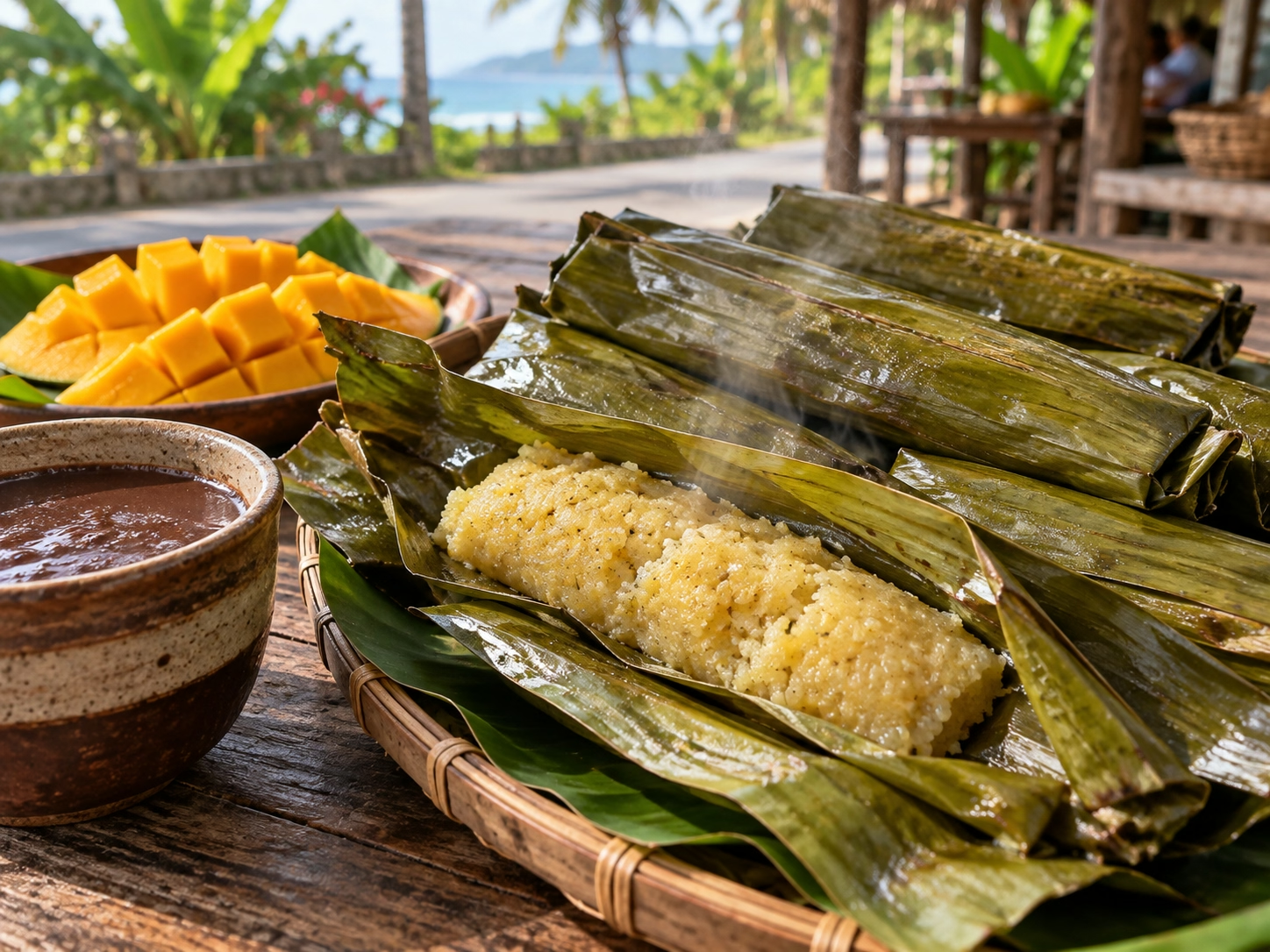
Forget maple syrup—the most exciting pancake in the Philippines is deep-fried, caramel-infused, and shaped like a golden sombrero. Meet panyam, the legendary rice pancake of the Bangsamoro region. Made from a simple batter of ground glutinous rice, coconut milk, and muscovado sugar, panyam is deep-fried in a wok until the edges turn into a delicate, lacy crunch while the center remains thick, soft, and sweet.
This heirloom snack stands out for its distinct shape and appearance that resembles a flattened kababayan. The rice flour makes the edges crispy while keeping the center soft and thick with a rich caramel taste from the muscovado. Panyam is traditionally served during weddings and religious festivities like Hari Raya Puasa. Particularly, the preparation of panyam is considered a sacred craft by the Yakans—an indigenous Muslim group native to Basilan Island. Their process requires quiet surroundings and full attention to perfect the sombrero-like shape.
You can find this rare gem in local markets of the Bangsamoro Region, including Maguindanao, Sulu, and Basilan. In Metro Manila, it is available at Halal-centric eateries and markets such as Quiapo Muslim Town and Maharlika Village in Taguig.
Sinaing na Tulingan: Batangas’ Four-Hour Slow Burn
Ask a Batangueño what “sinaing” is, and they will tell you it is not just about the rice. It is about that heavy clay pot sitting on the stove since 5 AM. Sinaing na tulingan is the ultimate slow burn—a dish where the fish essence at the bottom is just as important as the meat. It is salty, tangy, and carries a signature layer of pork fat that makes every bite feel like a welcome hug.
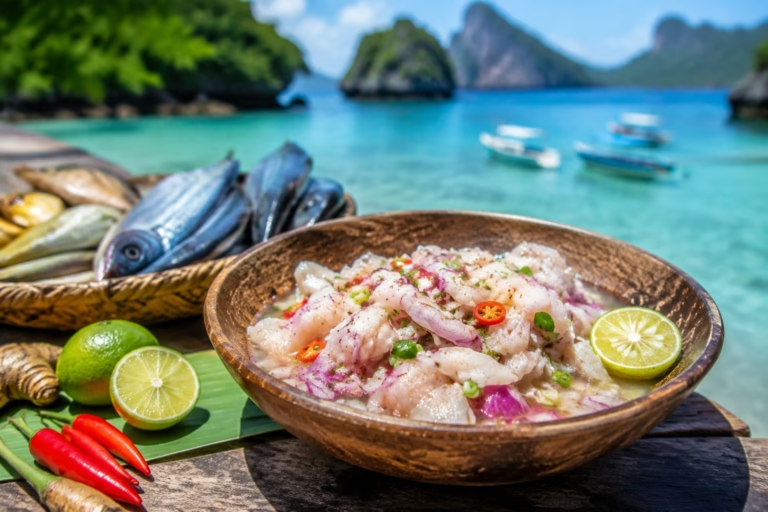
Long before refrigerators, the coastal towns of Batangas faced a delicious problem: an overwhelming abundance of tulingan (bullet tuna). To prevent waste, locals developed a slow-braising technique using natural preservatives—salt, sun-dried kamias, and pork fat. What was once a practice to save the catch for storage led to a signature recipe.
Preparation starts with cleaning the fish and removing their tails. The fish are brined, partially wrapped in banana leaves, and layered in a palayok with dried kamias and pork fat. The fish is slow-braised for three to four hours until the bones are tender and the flavor seeps into the fish. The result is a soft, meaty tulingan infused with pork fat and a sour, tangy sauce.
Why These Dishes Matter
These three dishes share a common thread: they exist because communities chose to preserve them. They are not the product of culinary schools or restaurant trends. They are living heritage, sustained by home cooks, small-scale makers, and local tourism initiatives that recognize their value.
As the Philippines continues to position itself as a global food destination, it is dishes like these—quiet, regional, deeply rooted—that hold the key to a more authentic culinary future.