
A Delicacy That Carries Generations of History
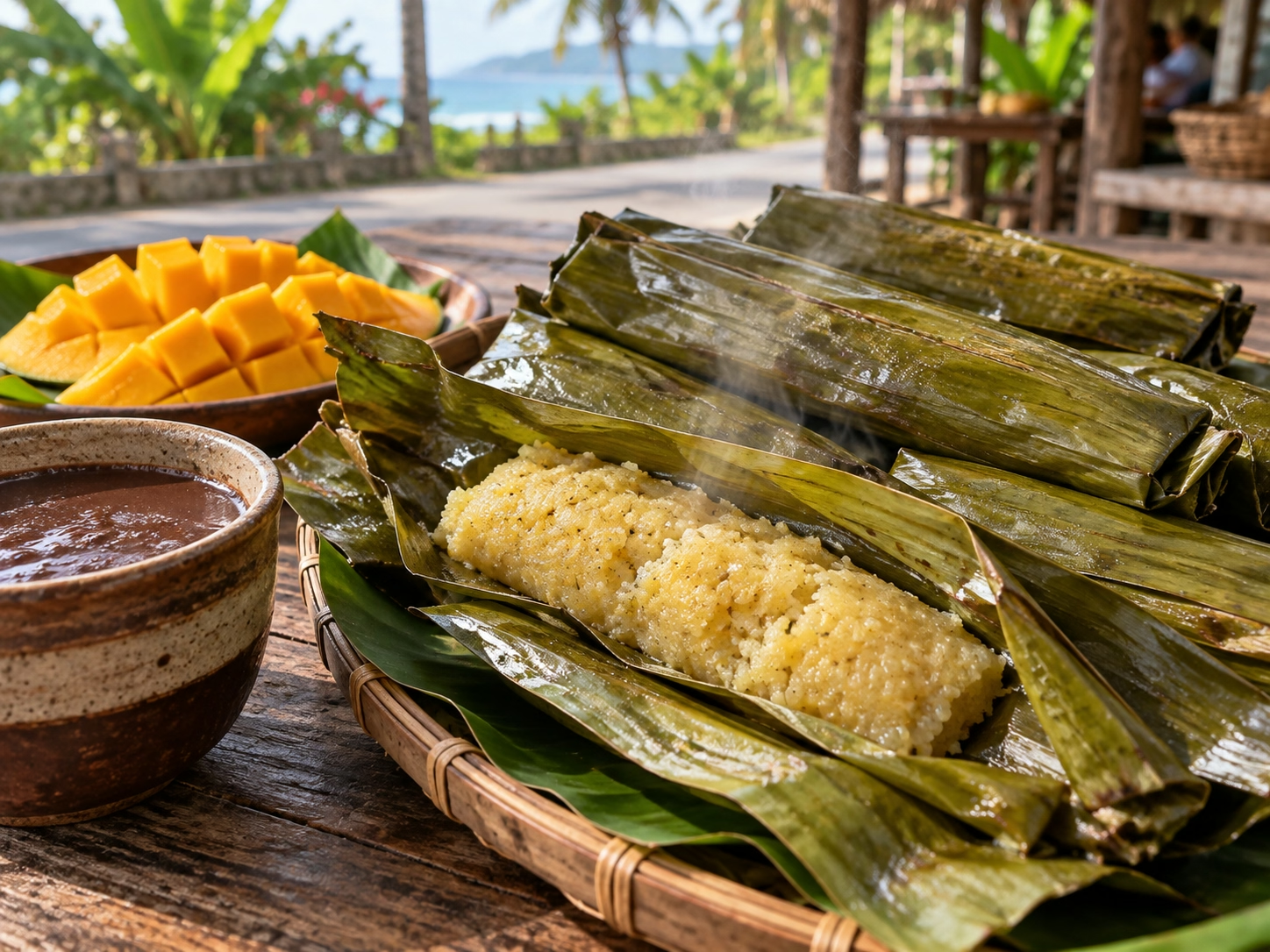
In the town of Carigara in Leyte, suman is more than a snack. It is a symbol of generations of history, a culinary treasure that connects the present to a past stretching back before colonial times. Made from glutinous rice cooked in coconut milk and wrapped in banana or palm leaves, suman comes in numerous regional variations, each carrying the distinctive fingerprint of its community.
The Carigara version is particularly unique. Known locally as “tinipa,” meaning opposites, it combines white glutinous rice flavored with salt and ginger alongside red glutinous rice sweetened with brown sugar. The craft demands patience: soaking the rice, extracting coconut milk the old-fashioned way, heating the mixture slowly over firewood, and crafting banana leaves into perfect wraps. Each piece takes at least ten minutes to create.
The First Suman Festival and the Fight Against Cultural Loss
As modernization and the fast food industry continue to grow, traditional culinary treasures like suman face the risk of being lost. In response, the newly formed Carigara Heritage Society launched the first-ever Suman Festival to ensure that the art, recipes, and folklore tied to suman survive.
Myla Aguilar, a town councilor who paved the way for the Heritage Society, explained the festival’s deeper purpose. “We would like to foster community and intergenerational ties here. Sharing food, stories, and cooking methods that strengthen bonds between generations, reminding our people of their roots and shared heritage. We need to pass this culinary heritage on to the next generation,” she said.
Many of the town’s older residents believe suman originated before colonial times as a simple, practical food that sustained early Filipinos, often offered in rituals or as offerings for good harvest and health. Holding the Suman Festival aims to reinvigorate suman-making not just for nostalgia, but to foster community pride, support local producers, and attract visitors who appreciate local flavors.
The Human Stories Behind the Tradition
For Gemma Cañete, suman-making was learned at her mother’s kitchen table. Little did she know then that the banana-leaf-wrapped delicacy would become her main livelihood, supporting all her children through college. For Adela Oballo, Wednesdays meant selling suman at the town’s public market, and Sundays were spent displaying suman for churchgoers to see.
These personal stories reveal the economic and social fabric woven through Filipino dessert traditions. Suman is not merely a product; it is a livelihood, a community practice, and a living link between generations. The festival evoked fond memories of grandparents teaching children to wrap suman in leaves, elders recounting stories of harvest seasons and ancestral kitchens, and families gathered around the table for suman and coffee.
Beyond Carigara: A Broader Movement
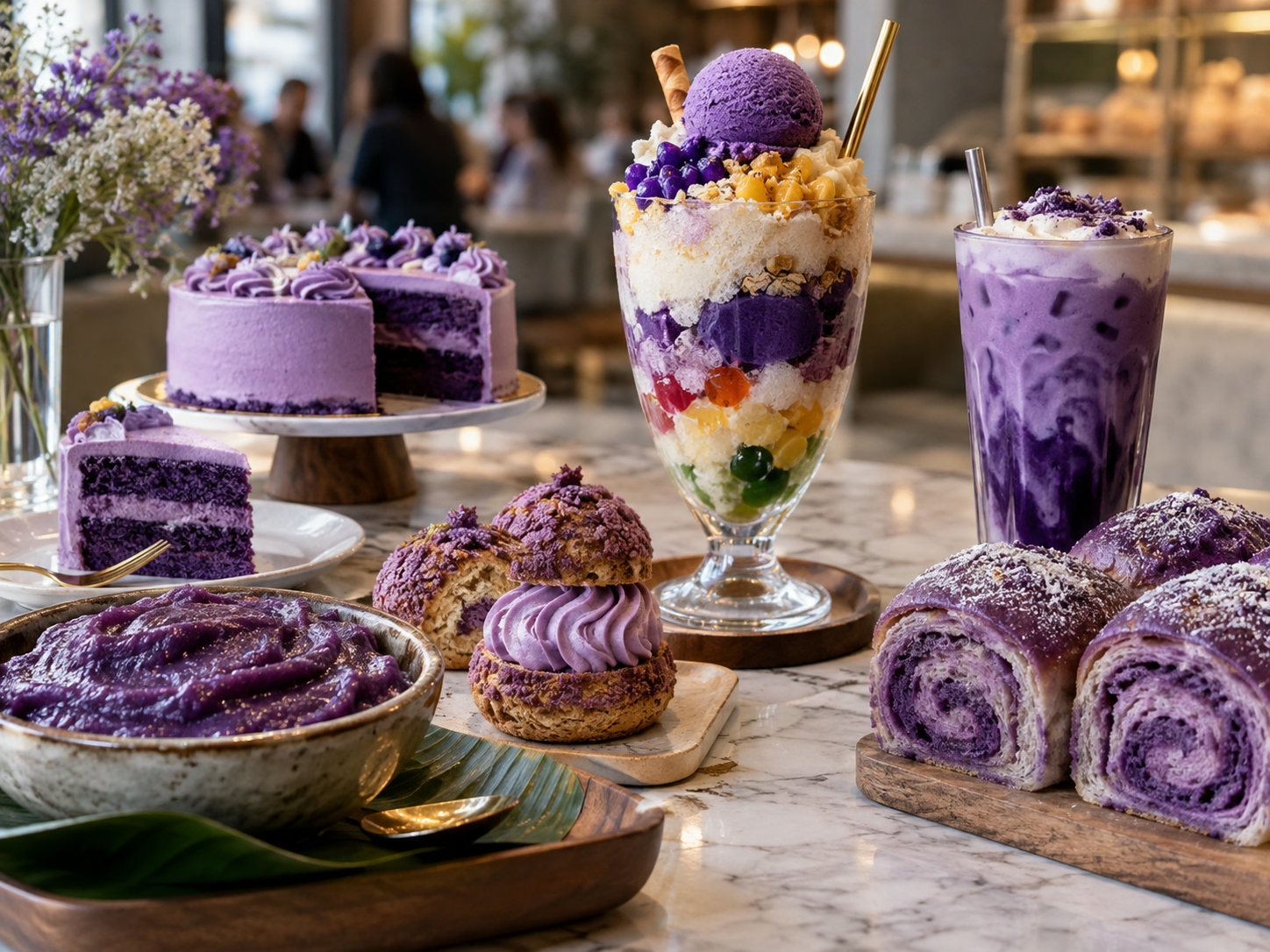
The Suman Festival is part of a larger movement to preserve and promote Filipino culinary heritage. From the Michelin Guide’s recognition of Filipino desserts in 2026 to the global ube phenomenon, there is growing international interest in the depth and diversity of Philippine sweets.
This momentum creates opportunities for traditional dessert makers to connect with wider audiences while maintaining the integrity of their craft. The smoky haze from coconut husks being coaxed into flames to cook suman, rising across Plaza Triunfo during the festival, serves as an unmistakable sign that the tradition will be kept alive.
Why Heritage Matters in 2026
In an era of instant gratification and globalized food culture, the preservation of traditional Filipino desserts like suman represents something profound. It is an act of cultural resistance against homogenization and a celebration of the unique flavors, techniques, and stories that make Philippine cuisine distinct.
The Carigara Suman Festival demonstrates that heritage and modernity are not opposing forces. Tradition can be celebrated, shared, and adapted without losing its essence. For anyone seeking to understand the soul of Filipino desserts, suman offers a perfect starting point—a simple, sticky, sweet reminder that the most meaningful flavors are often the ones that have been passed down through generations.