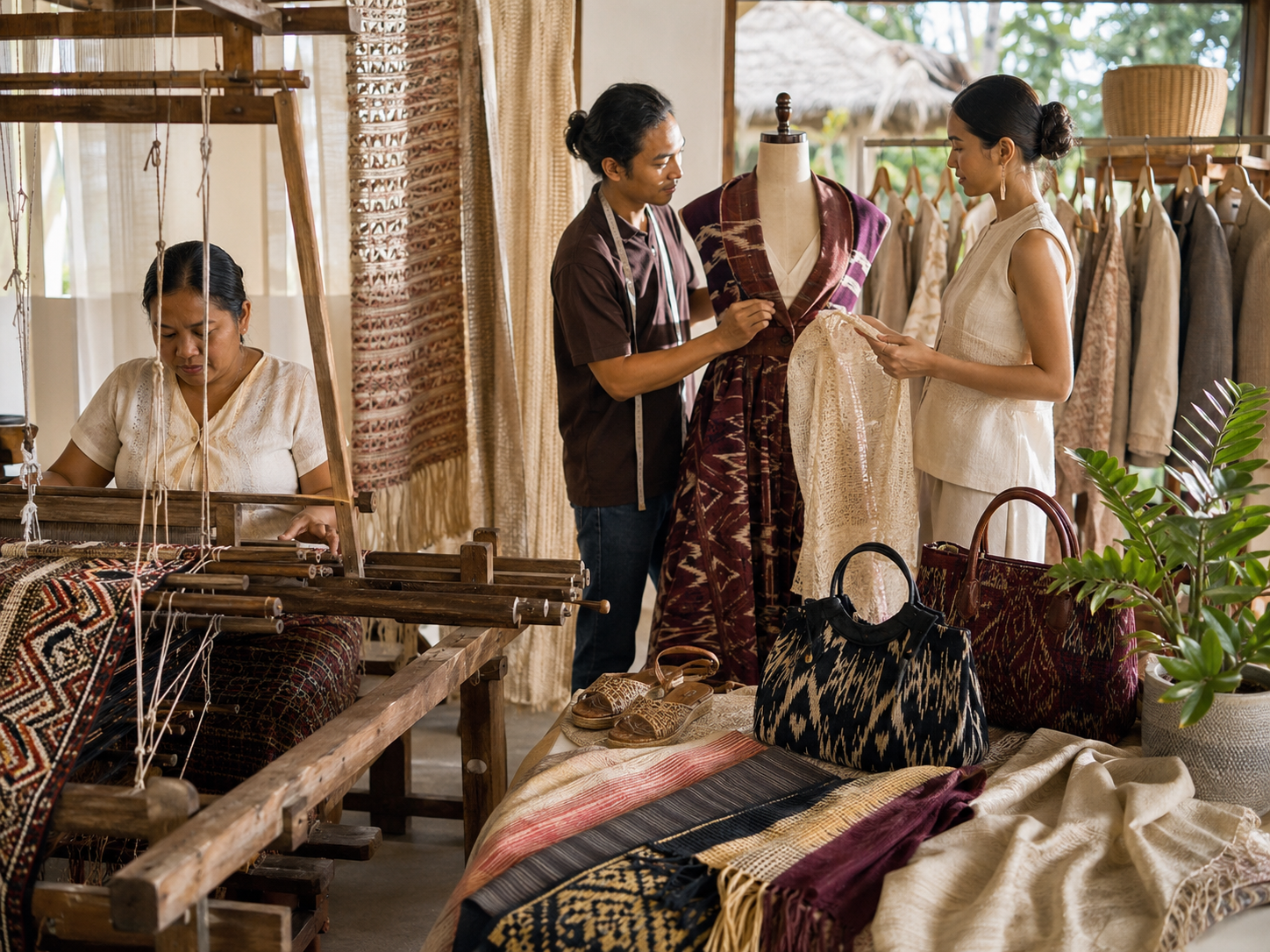
A Shared Creative Language Across Borders
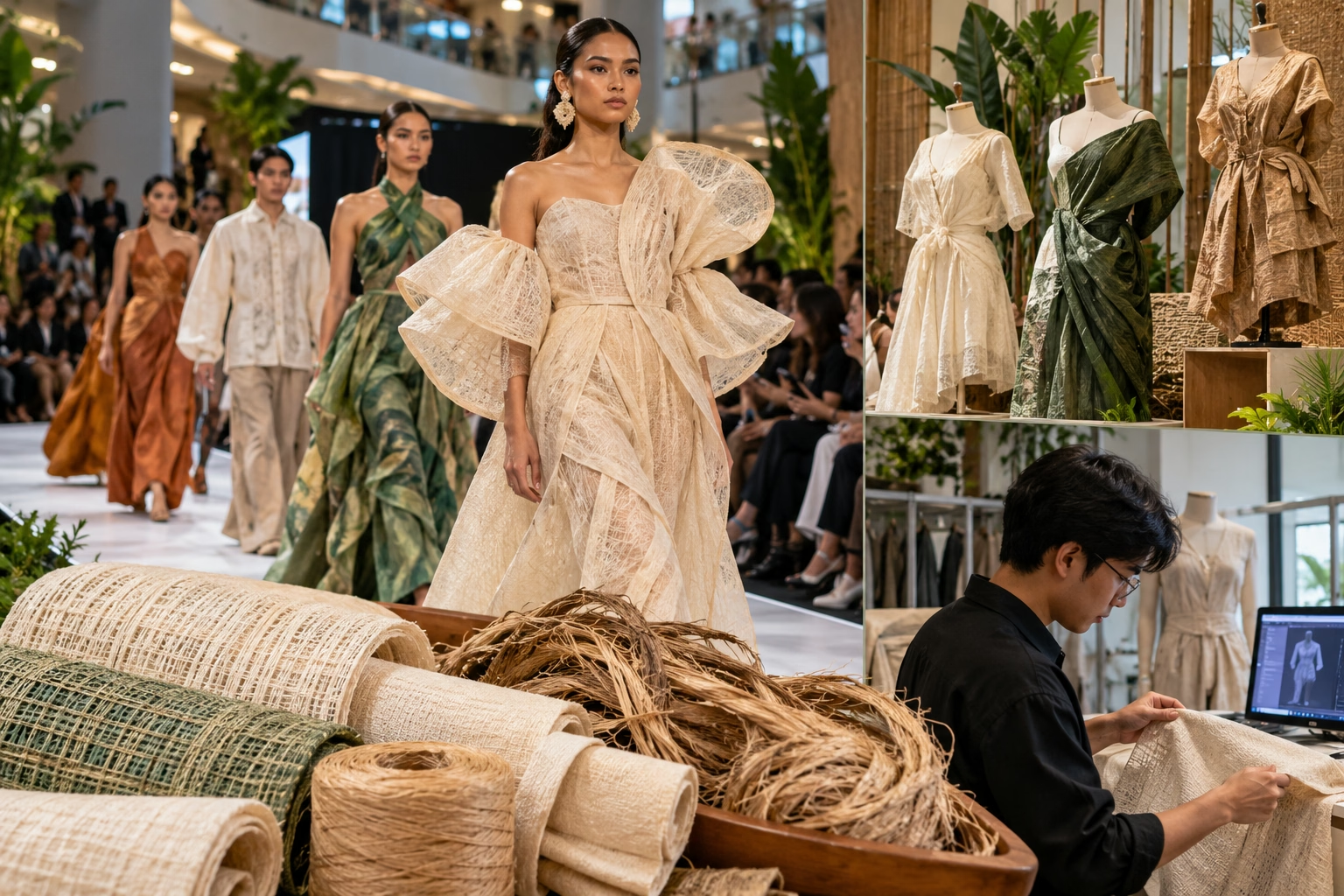
In 2026, the boundaries between Philippine local craftsmanship and international fashion are blurring. Designers from Europe, North America, and Asia are traveling to weaving communities in the Philippines to co-create collections that honor traditional methods while speaking to modern consumers. This collaborative model is built on mutual respect: global partners bring market insight and contemporary design language, while Filipino artisans contribute centuries-old techniques and cultural narratives. The result is a new kind of fashion—one that is deeply rooted yet globally relevant.
The Mechanics of Successful Cross-Border Partnerships
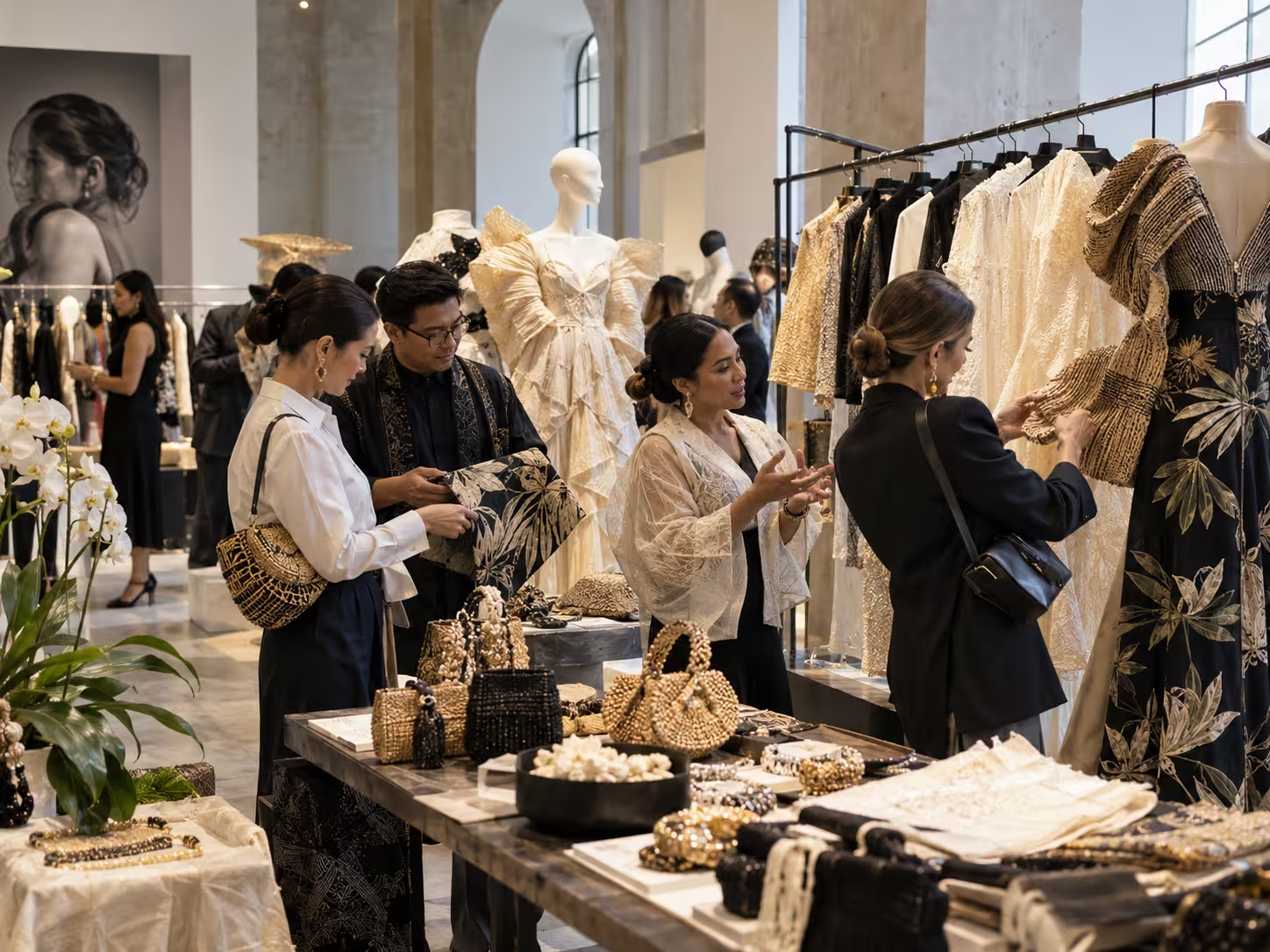
Successful collaborations in 2026 typically begin with direct engagement between international brands and local weaving cooperatives. Rather than sourcing through middlemen, brands are establishing long-term relationships that include fair pricing, quality training, and shared design input. The Department of Trade and Industry’s official website (https://www.dti.gov.ph/) highlights how the Go Lokal program facilitates these connections by providing a structured pathway for small Philippine producers to enter international markets. This direct model ensures that artisans retain agency over their work and receive a fair share of the profits.
Transforming Rural Economies Through Fashion
The economic impact of these partnerships is already visible in key textile-producing regions. Weaving cooperatives in the Ilocos, Panay, and Mindanao are reporting sustained demand from international clients. This has led to increased employment, higher wages, and renewed interest among younger generations in learning the craft. The stability provided by export contracts allows communities to plan for the future, invest in better equipment, and expand their production capacity without sacrificing quality. Industry observers note that the multiplier effect extends beyond weaving to related sectors such as dyeing, sewing, and logistics.
Protecting Cultural Heritage in a Globalized Market
As Philippine textiles gain international recognition, the need to protect indigenous knowledge becomes more urgent. In 2026, several weaving communities are pursuing legal safeguards such as geographical indications and collective trademarks. These measures prevent foreign entities from copying traditional patterns without authorization. International collaborators are also being encouraged to include cultural attribution clauses in their agreements. This ensures that when a T’nalak-inspired jacket appears on a Paris runway, the T’boli community behind the pattern is acknowledged and compensated.
Trade Platforms and Digital Expansion
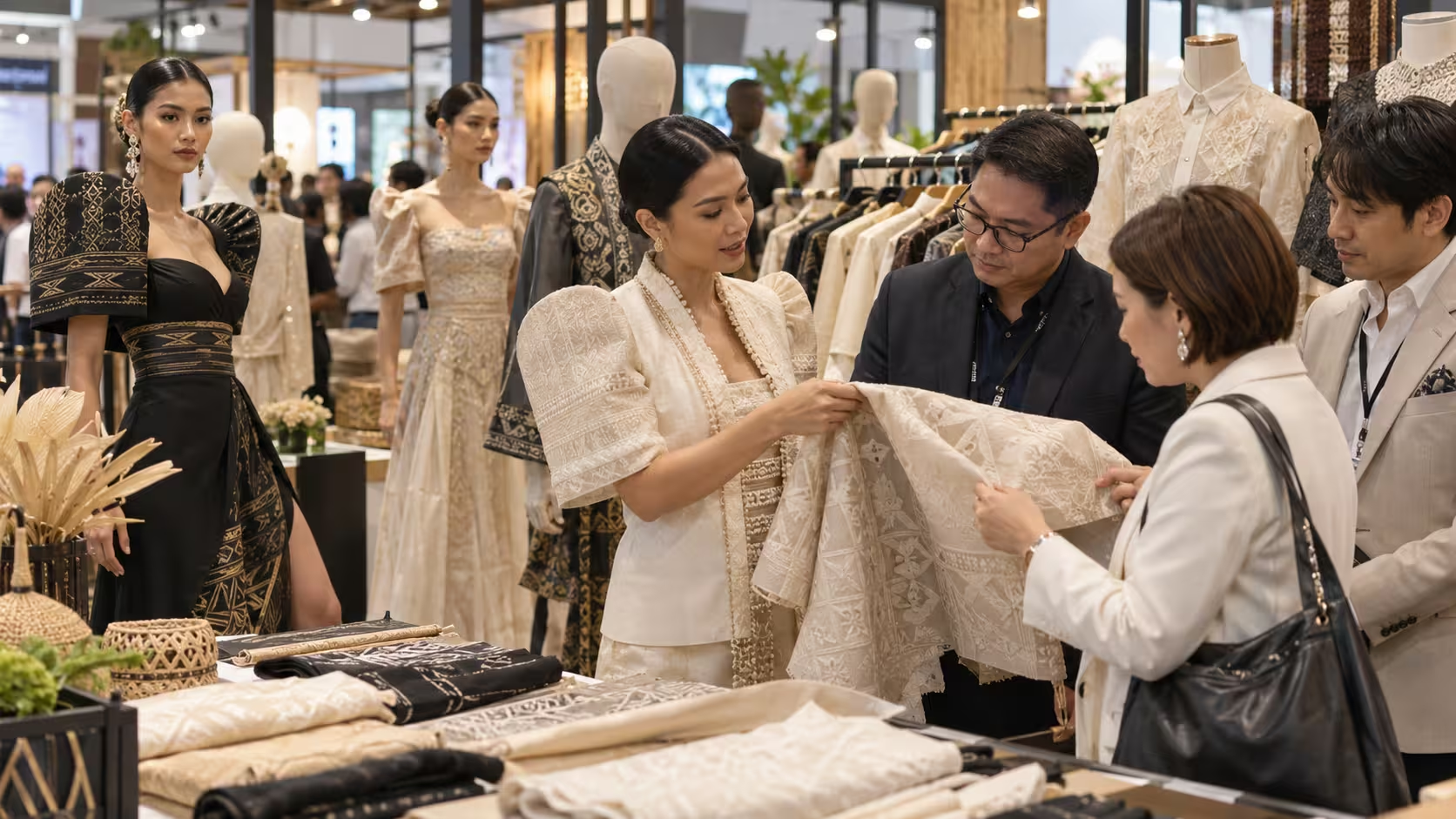
Events like Manila FAME continue to play a vital role in bringing Philippine artisans and international buyers together. The 2026 edition showcased the breadth of Filipino textile innovation, from handwoven garments to sustainable accessories. In addition, digital platforms and virtual showrooms are making it easier for small cooperatives to reach global audiences without the expense of international travel. The DTI’s Go Lokal program has also expanded its e-commerce partnerships, placing Philippine products on major online marketplaces in Asia, Europe, and North America.
What Lies Ahead for Philippine-Global Fashion Collaboration
The momentum behind Philippine-global fashion collaboration shows no sign of slowing. As 2026 unfolds, industry leaders expect more cross-border design residencies, joint research on sustainable dyes, and technology-driven traceability for every piece of fabric. The Philippines is no longer simply an exporter of raw materials; it is becoming a co-designer in the global fashion conversation. This shift offers a compelling model for how traditional craftsmanship and international style can thrive together—creating value that reaches far beyond the runway.