
When Tradition Loses to Convenience
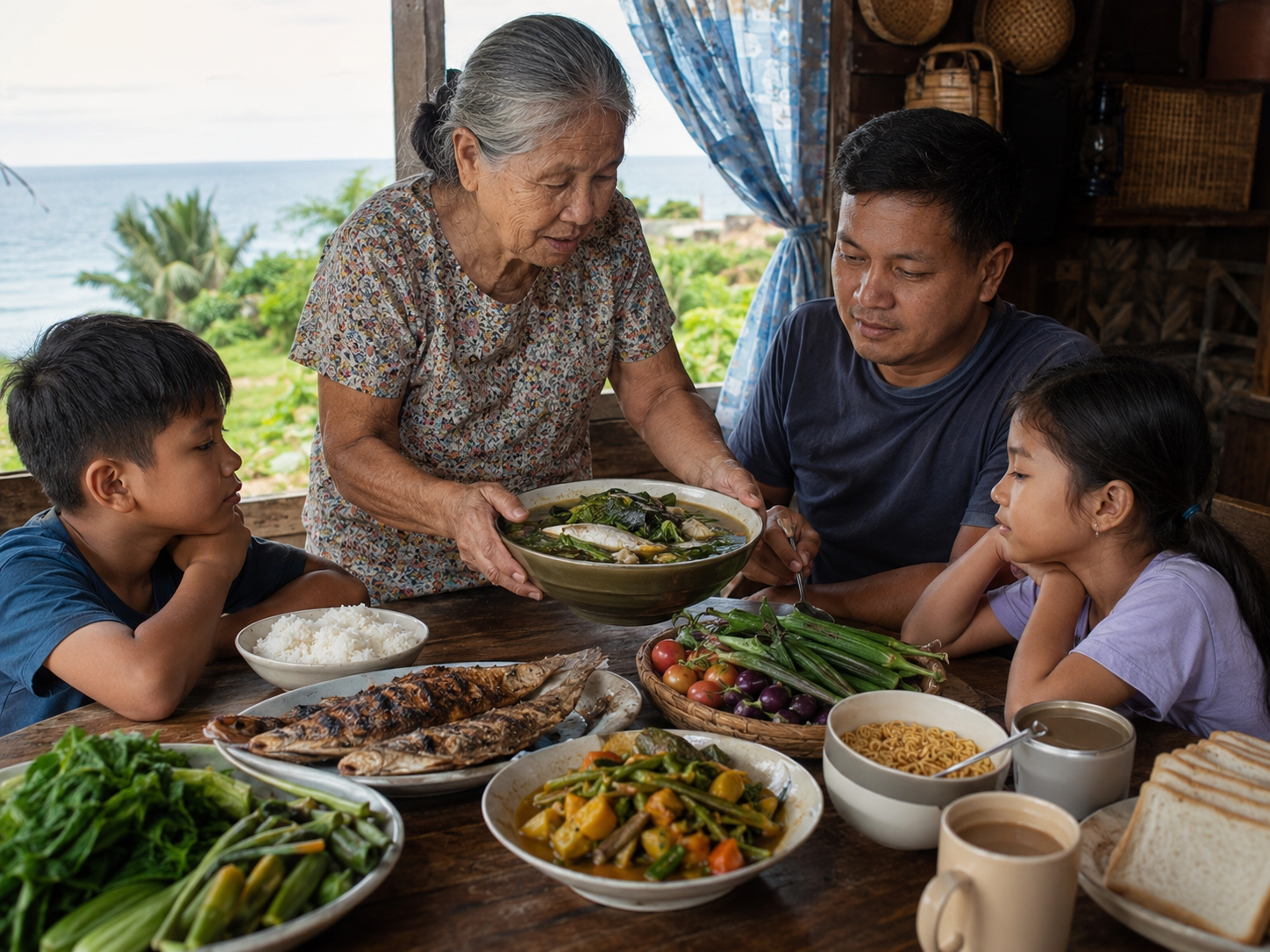
In the coastal town of Caoayan, Ilocos Sur, 72-year-old Lola Elena remembers when every meal featured dinengdeng, a vegetable stew brimming with backyard-grown saluyot, okra, and grilled fish. Today, her grandchildren reach for instant pancit canton and sugary 3-in-1 coffee mixes. “It’s what they see on their phones, and it’s cheaper than meat,” she laments. Her story mirrors a nationwide dietary shift documented in the WHO Philippines Noncommunicable Disease and Nutrition Report 2026, available at https://who.int/philippines/.
The Data Behind the Diet Shift
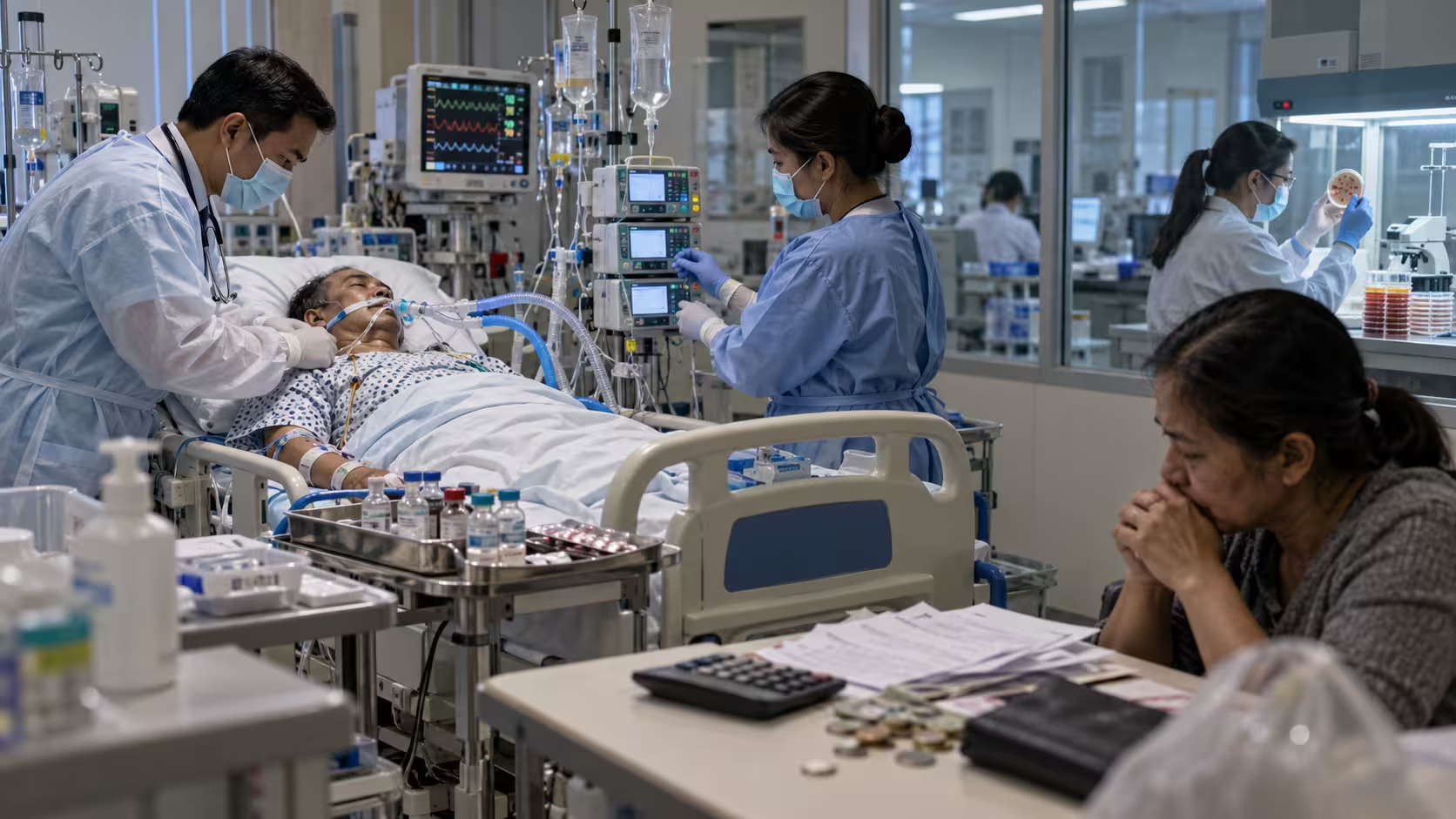
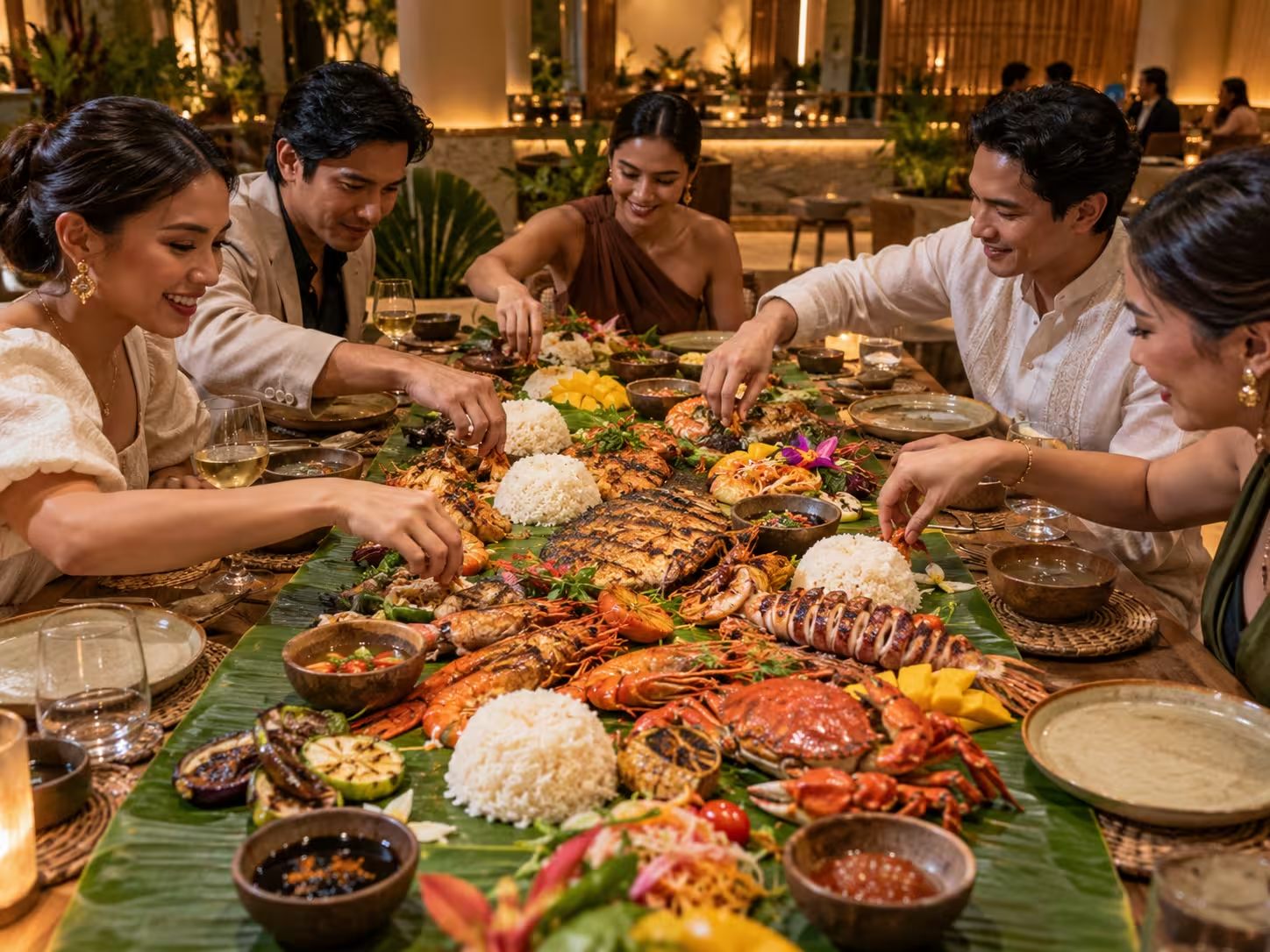
The report reveals that 65% of all deaths in the Philippines are now linked to noncommunicable diseases (NCDs) influenced by poor diet, including heart disease, stroke, and type 2 diabetes. Ultra-processed food sales grew by 28% between 2020 and 2025, while consumption of vegetables and whole grains has declined by 19%. The average Filipino adult now consumes 15 teaspoons of added sugar daily, nearly double the WHO recommendation.
A Family at the Crossroads
Lola Elena’s 45-year-old son, Ronaldo, was diagnosed with hypertension and elevated blood sugar at a recent community health screening. The family’s diet, built around fast-cooking noodles, canned meat, and white bread, provided excessive sodium, saturated fat, and refined carbohydrates while starving them of fiber and antioxidants. Nutritionists at the rural health unit introduced a “food heritage” program that blends traditional Ilocano recipes with modern time-saving techniques—like batch-cooking pinakbet and freezing portions, or using a low-sodium bagoong alternative.
Strategies to Reclaim the Filipino Plate
Front-of-Pack Warning Labels
In early 2026, the Department of Health rolled out mandatory front-of-pack warning labels on pre-packaged foods high in sugar, sodium, and saturated fat. Early consumer surveys indicate that 68% of shoppers reconsidered their purchase upon seeing the label, signaling a potential shift in purchasing habits.
Urban Gardening and Community Kitchens
To increase vegetable intake, local governments in 34 provinces have launched “Gulayan sa Barangay” initiatives that distribute seedlings and train households in organic gardening. In Naga City, community kitchens run by women’s cooperatives serve affordable, freshly cooked traditional meals to low-income workers. These efforts aim to make healthy, culturally rooted eating accessible, not a luxury.
The experience of families like Lola Elena’s underscores that reversing the nutrition transition is not about rejecting modernity—it’s about integrating the wisdom of the past into the realities of 2026.