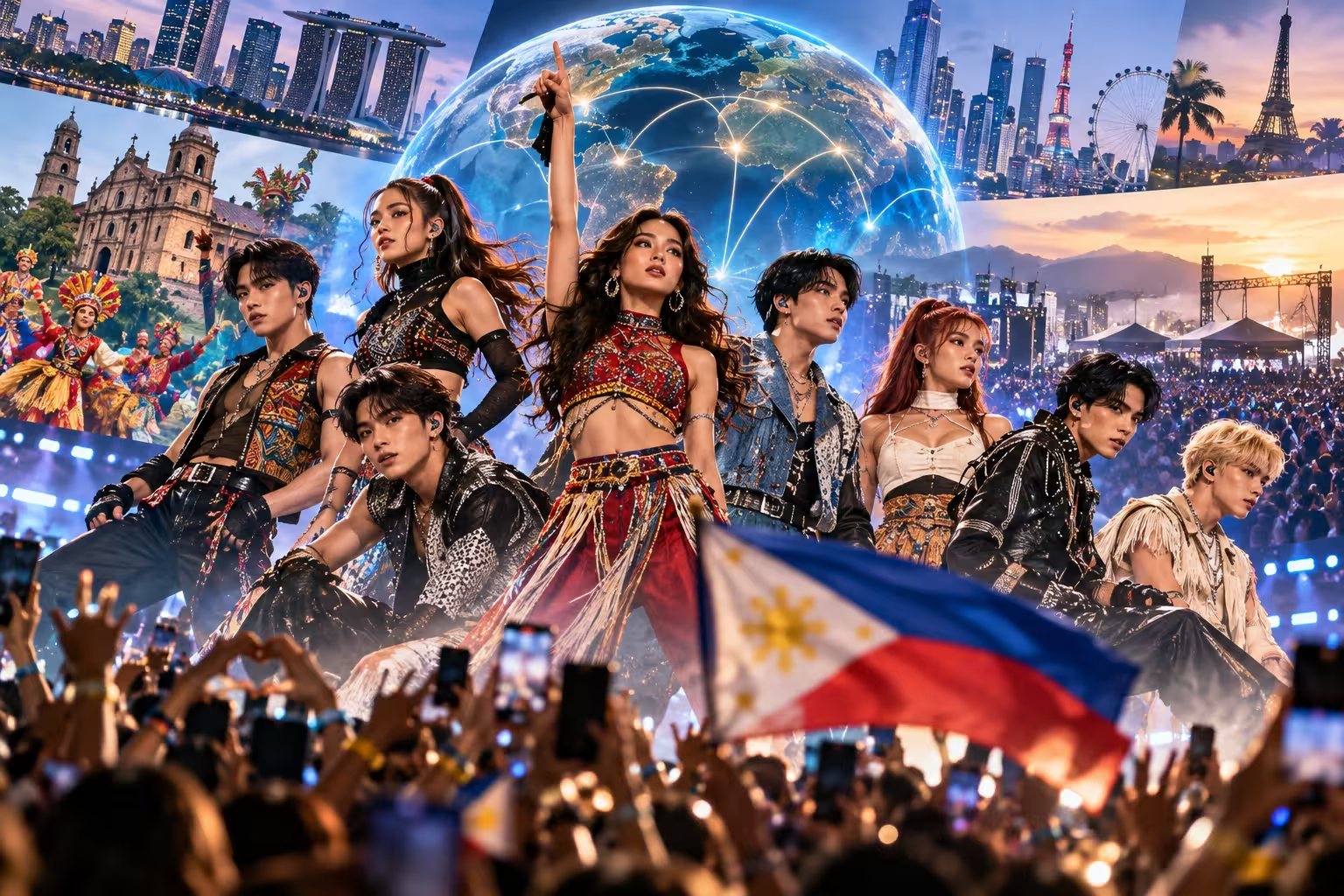

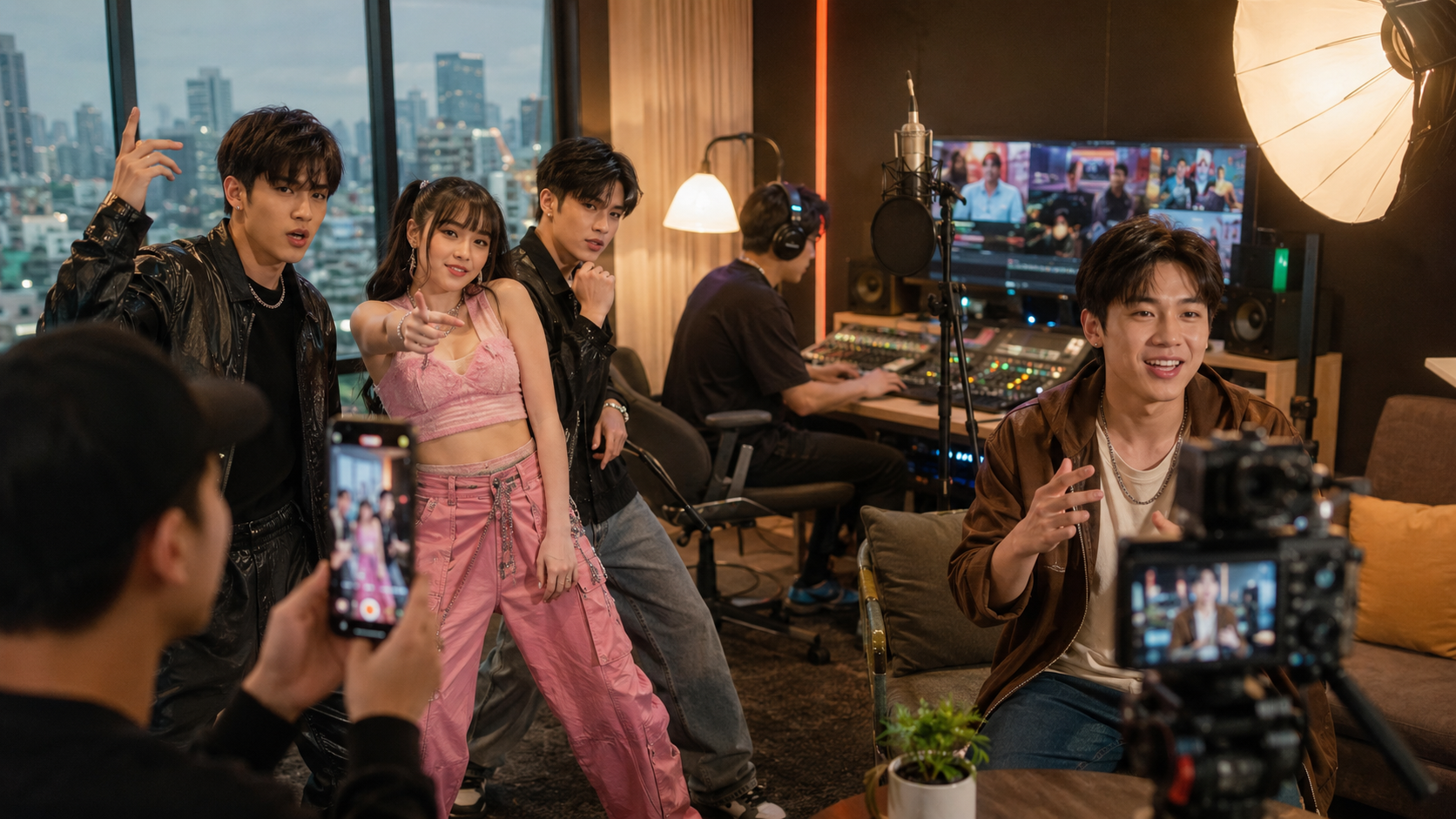
Philippine show business used to have a clear front door: a contract with a major network. That door has been replaced by two apps. TikTok and YouTube now serve as both audition room and broadcast channel, deciding which songs become hits, which faces become famous, and which stories reach millions.
The Algorithm as Talent Scout
TikTok’s Favorability for Local Sounds
TikTok does not ask where an artist is from; it asks whether users finish the video. This neutrality has allowed regional acts and independent OPM artists to compete with major-label releases. A song like “Marilag” by Dionela gained traction through emotional short-form edits, eventually crossing into mainstream radio and streaming playlists. The platform’s capacity to amplify local sounds is reflected in national usage figures: the Digital 2025 Philippines report by DataReportal recorded more than 43 million TikTok users aged 18 and above. Read the full dataset here: DataReportal: Digital 2025 Philippines.
Data-Driven A&R and Fan Validation
Record labels increasingly sign artists based on TikTok completion rates and YouTube watch time rather than demo tapes alone. This shifts power toward audiences, who vote with their thumbs before any contract is signed.
YouTube’s Role as the Country’s Second Television
From Kapamilya Clips to Independent Vlogs
Major networks use YouTube to extend the shelf life of their programs, uploading full episodes and exclusive clips that reach Filipinos abroad. Meanwhile, independent creators build daily shows with production values that rival television. This dual ecosystem gives Filipino audiences more choices while giving advertisers direct access to niche demographics.
Music Videos and Fan-Funded Content
YouTube monetization allows artists to fund their next project through ad revenue, channel memberships, and Super Thanks. For many independent musicians, YouTube is not just a promotion tool but the actual business model.
The Cross-Platform Funnel for Film and Live Events
TikTok Hooks, YouTube Deep Dives, and Ticket Sales
The modern promotional funnel in Philippine entertainment is consistent: a TikTok clip creates the emotional hook; a YouTube vlog or music video provides the deeper story; ticket sales follow. Concert producers now monitor TikTok sounds and YouTube watch time to determine which cities to add to a tour.
What 2026 Brings: The Rise of Platform-Native Stars
Careers Built Entirely Outside Traditional Media
A new class of Filipino entertainer has emerged that does not need a teleserye or a major label to sustain a career. They release original music on YouTube, trend on TikTok, sell merchandise, and stage live shows—all without passing through Manila’s traditional entertainment complex. The consequence is a more open, competitive, and unpredictable star system, where the audience’s attention—measured in loops, replays, and shares—is the true currency of Philippine entertainment.