








K-Pop, short for Korean Pop music, has undeniably become a global phenomenon over the past decade, captivating audiences around the world. In the Philippines, the rise of K-Pop has been nothing short of explosive, gaining a dedicated and enthusiastic following across various age groups. This surge in popularity can be attributed to several factors, from the unique charm of K-Pop idols to the dynamic cultural exchange facilitated by social media and the increasing presence of K-Pop in mainstream entertainment.
One of the key reasons why K-Pop has gained such widespread popularity in the Philippines is its infectious and catchy music. With its upbeat tempo, vibrant performances, and visually appealing music videos, K-Pop groups like BTS, BLACKPINK, EXO, and TWICE have become household names. The music itself is an eclectic mix of genres, blending traditional Korean sounds with Western pop, hip-hop, and electronic dance music. This fusion of styles ensures that there is something for everyone, whether you’re into slow ballads, energetic dance tracks, or experimental sounds.
The rise of social media platforms, particularly YouTube, has also played a significant role in the dissemination of K-Pop culture in the Philippines. Filipino fans can easily access music videos, live performances, and behind-the-scenes content directly from the artists. The increased interaction between K-Pop idols and their fans through platforms such as Twitter, Instagram, and VLive has further cemented the relationship between Filipino fans and K-Pop artists, making the genre more personal and accessible.
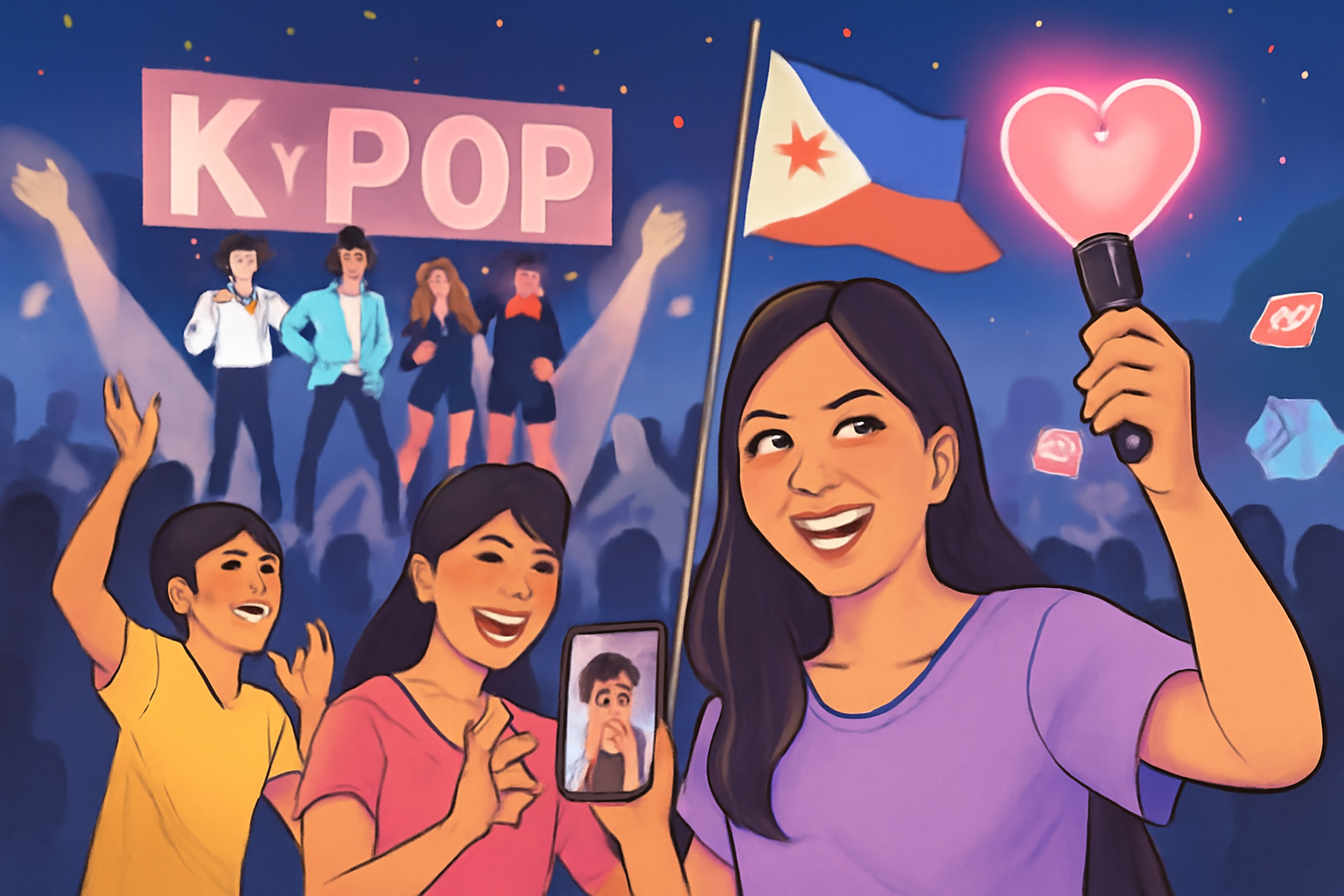
In addition, Filipino youth have embraced the vibrant and fashionable culture associated with K-Pop. From adopting K-Pop-inspired hairstyles and fashion trends to learning the intricate choreography of popular songs, Filipino fans have integrated K-Pop into their daily lives. The social media presence of Filipino “K-Pop stans” is also another testament to the genre’s popularity in the country. Fan groups and online communities organize events such as fan meets, dance covers, and album listening parties, fostering a strong sense of community.
The impact of K-Pop in the Philippines is also evident in its influence on local media. Many Filipino TV networks now regularly air K-Dramas, variety shows, and music programs featuring K-Pop idols. These shows not only promote K-Pop but also introduce Filipino viewers to Korean culture, creating a cross-cultural exchange that further amplifies the genre’s appeal. Additionally, K-Pop concerts in the Philippines have become highly anticipated events, with sold-out shows and thousands of enthusiastic fans attending.
K-Pop’s impact goes beyond entertainment; it has influenced the way Filipino youth view fashion, beauty, and even their aspirations. Filipino K-Pop fans have often expressed how they admire the discipline, work ethic, and perseverance of K-Pop idols, motivating them to pursue their own dreams and passions with similar dedication. This cultural shift has made K-Pop more than just music; it has become a lifestyle, influencing everything from fashion to mental health.
As K-Pop continues to grow in popularity in the Philippines, it is clear that the genre’s influence is far-reaching and multifaceted. It is no longer just a passing trend but a significant part of Filipino pop culture, blending entertainment, fashion, and social media in ways that are both dynamic and enduring.