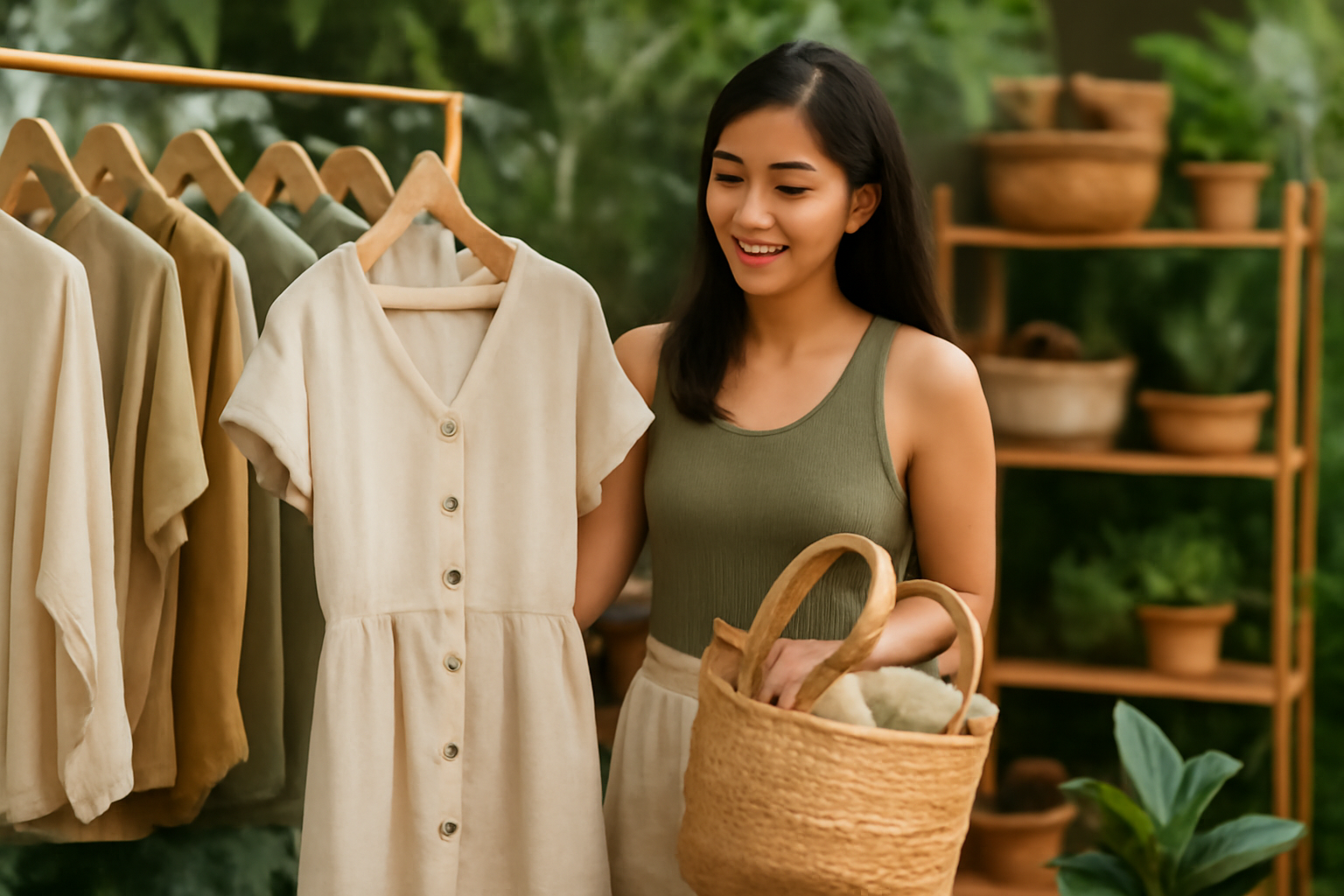
In recent years, the fashion industry in the Philippines has been gradually embracing sustainable practices, reflecting a growing global awareness of environmental issues. Sustainable fashion, defined by its commitment to reducing environmental impact, is gaining momentum in the Philippines as both consumers and designers recognize the need for more eco-conscious choices.
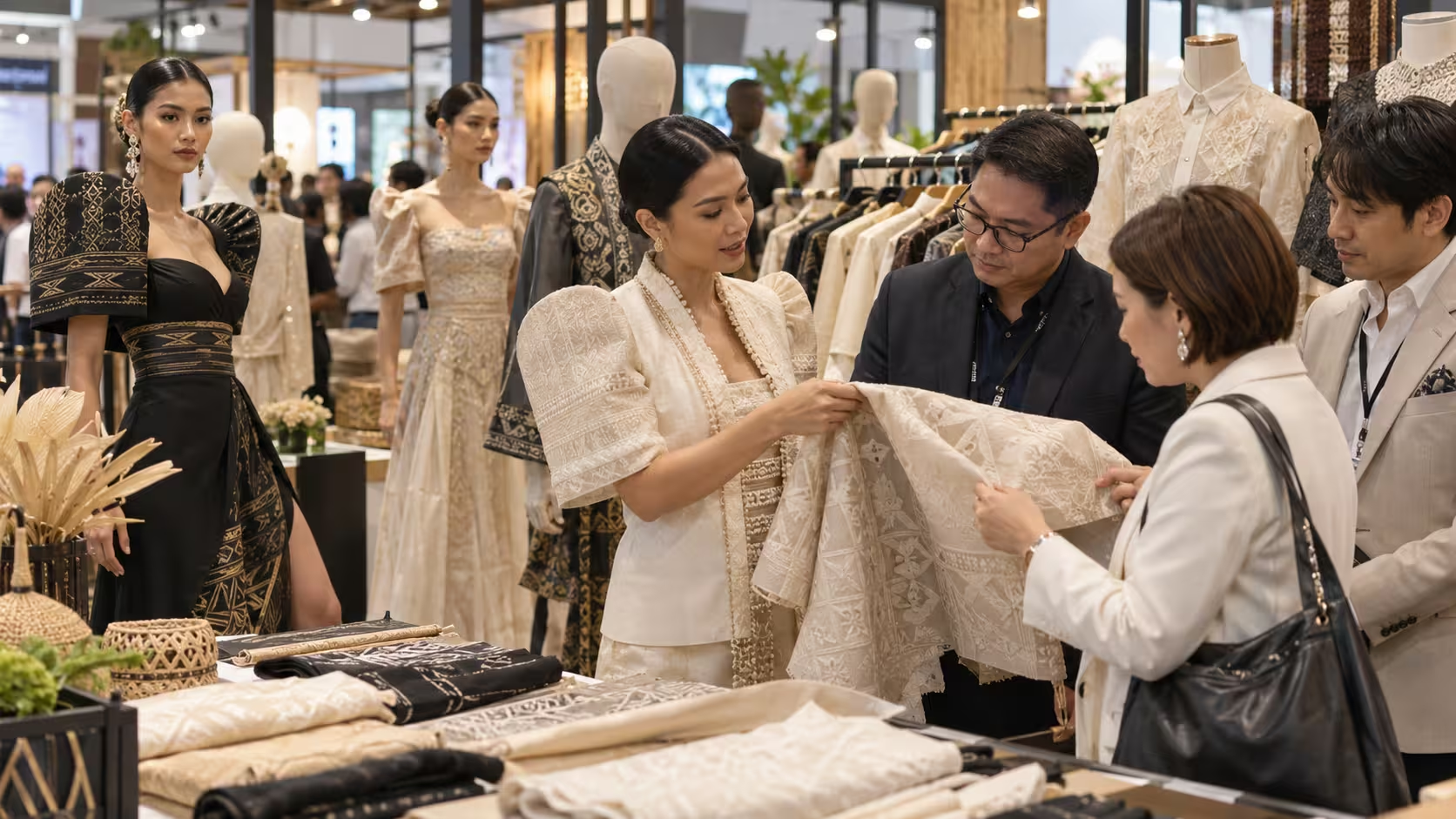
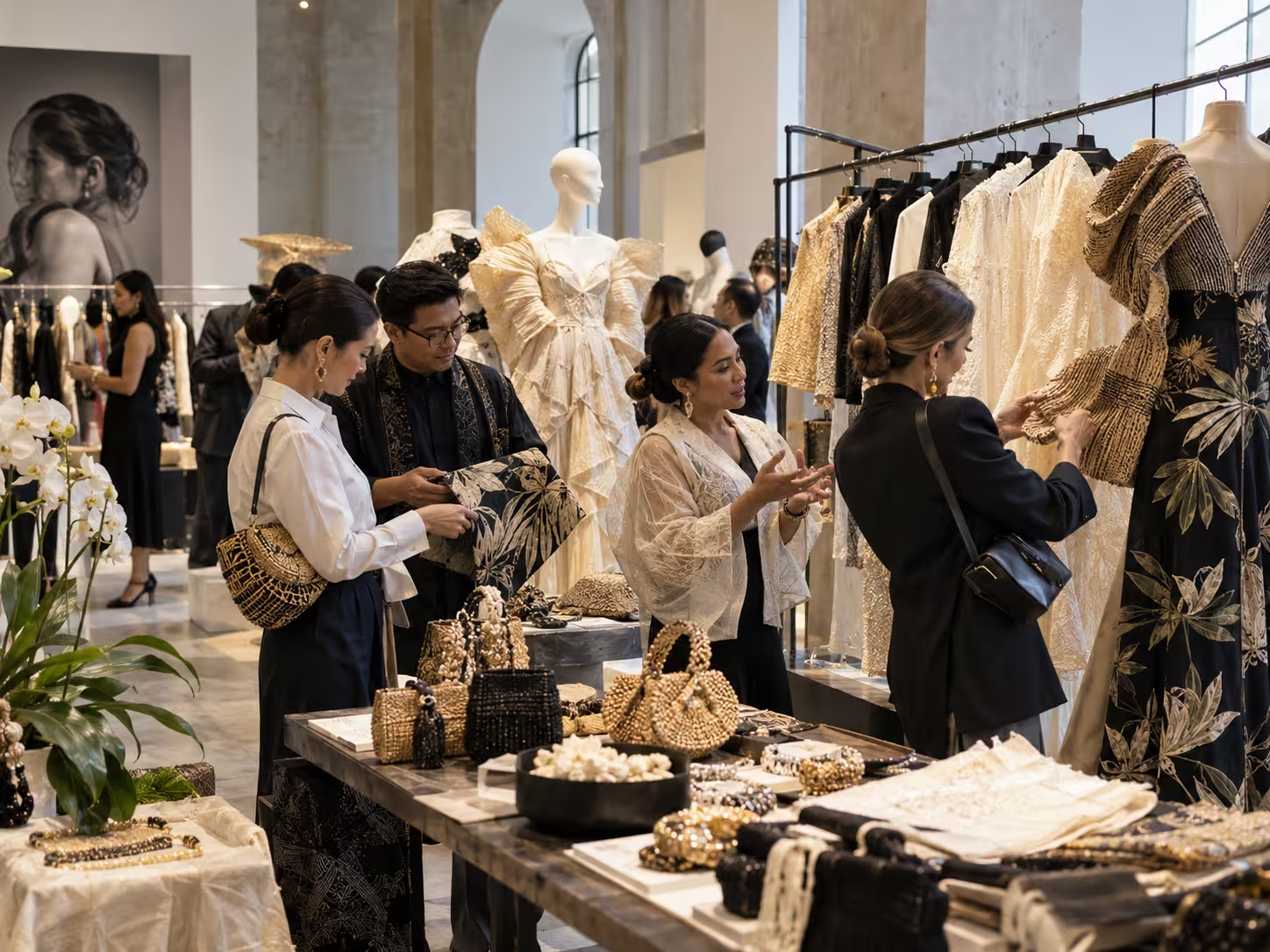
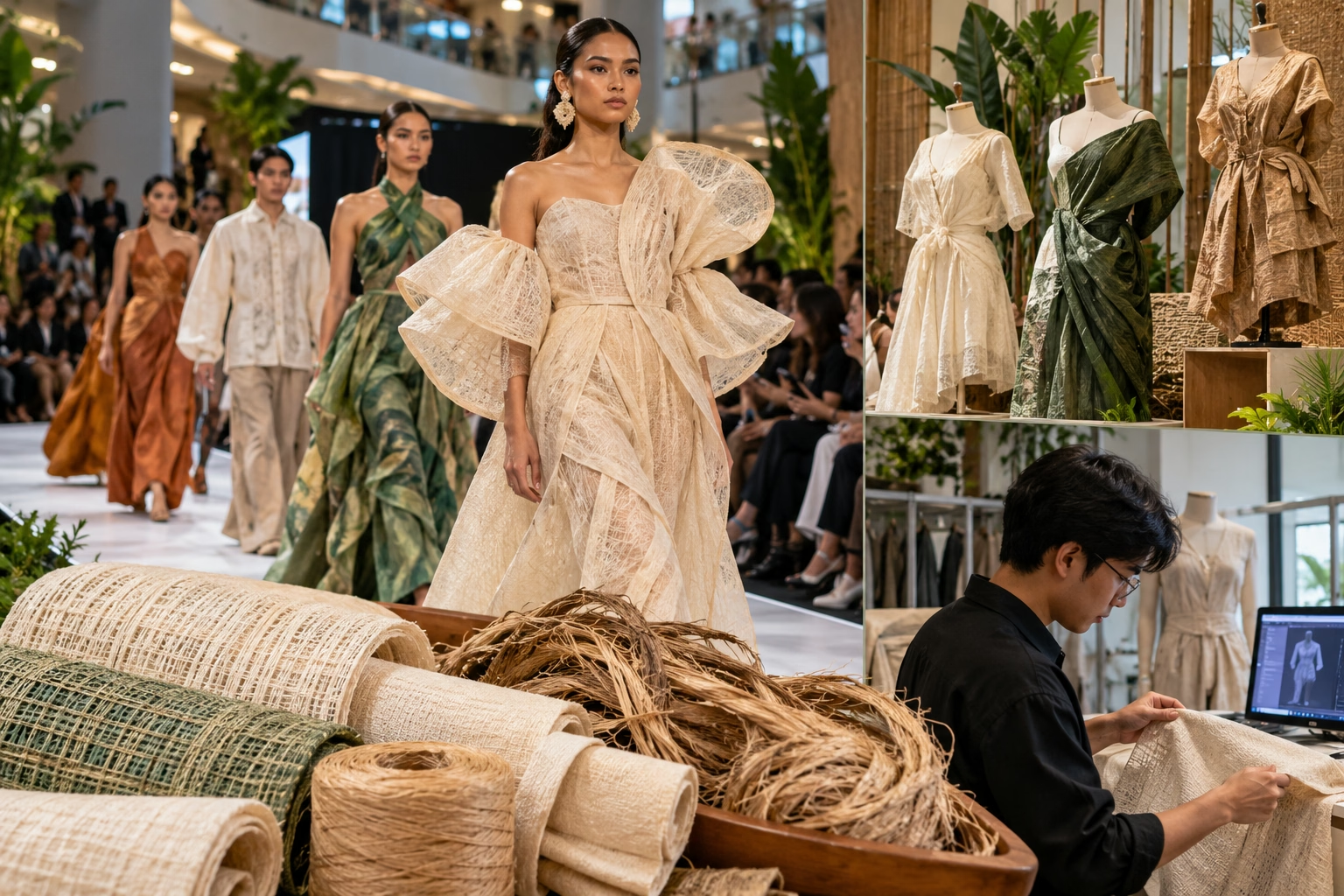
Filipino designers, known for their creativity and rich cultural heritage, are increasingly integrating sustainability into their designs. Many are now using organic, locally sourced materials, such as bamboo, pineapple fibers (abacá), and hemp, which are renewable and require less water and pesticides compared to traditional fabrics. These natural fibers also have minimal carbon footprints and often have longer lifespans, making them ideal for eco-friendly clothing.
Additionally, there has been a shift towards slow fashion in the Philippines, where the emphasis is on quality over quantity. This movement encourages consumers to buy fewer, but more durable and versatile garments, which not only helps reduce waste but also ensures better investment in clothing. Local fashion brands like Rags2Riches and Anthill Fabric Gallery have pioneered this approach by supporting artisan communities and producing handmade, upcycled, and eco-conscious garments.
Another key factor driving the sustainable fashion industry in the Philippines is the increasing awareness of the environmental damage caused by fast fashion. The rise of cheap, mass-produced clothing has resulted in vast amounts of waste, particularly in landfills, as items are discarded after only a few uses. With the global population becoming more conscious of waste, the Philippines is also seeing an increase in eco-conscious consumers demanding ethical production processes and sustainability certifications from fashion brands.
The Philippine government and non-government organizations (NGOs) are also contributing to the sustainability push by supporting various green initiatives. For example, programs that promote the use of sustainable textiles, reduce plastic use, and support eco-friendly business practices are gaining ground. The importance of educating the next generation of designers about sustainable fashion has also been acknowledged, with workshops and fashion events like Manila Fashion Festival offering platforms for eco-conscious designers to showcase their creations.
In essence, the sustainable fashion movement in the Philippines is still in its early stages, but the foundations are being laid for a brighter, more eco-friendly future. With increasing consumer demand and the support of local designers, environmental awareness in fashion is sure to continue growing in the archipelago.