Color Choices That Carry Ancestral Weight
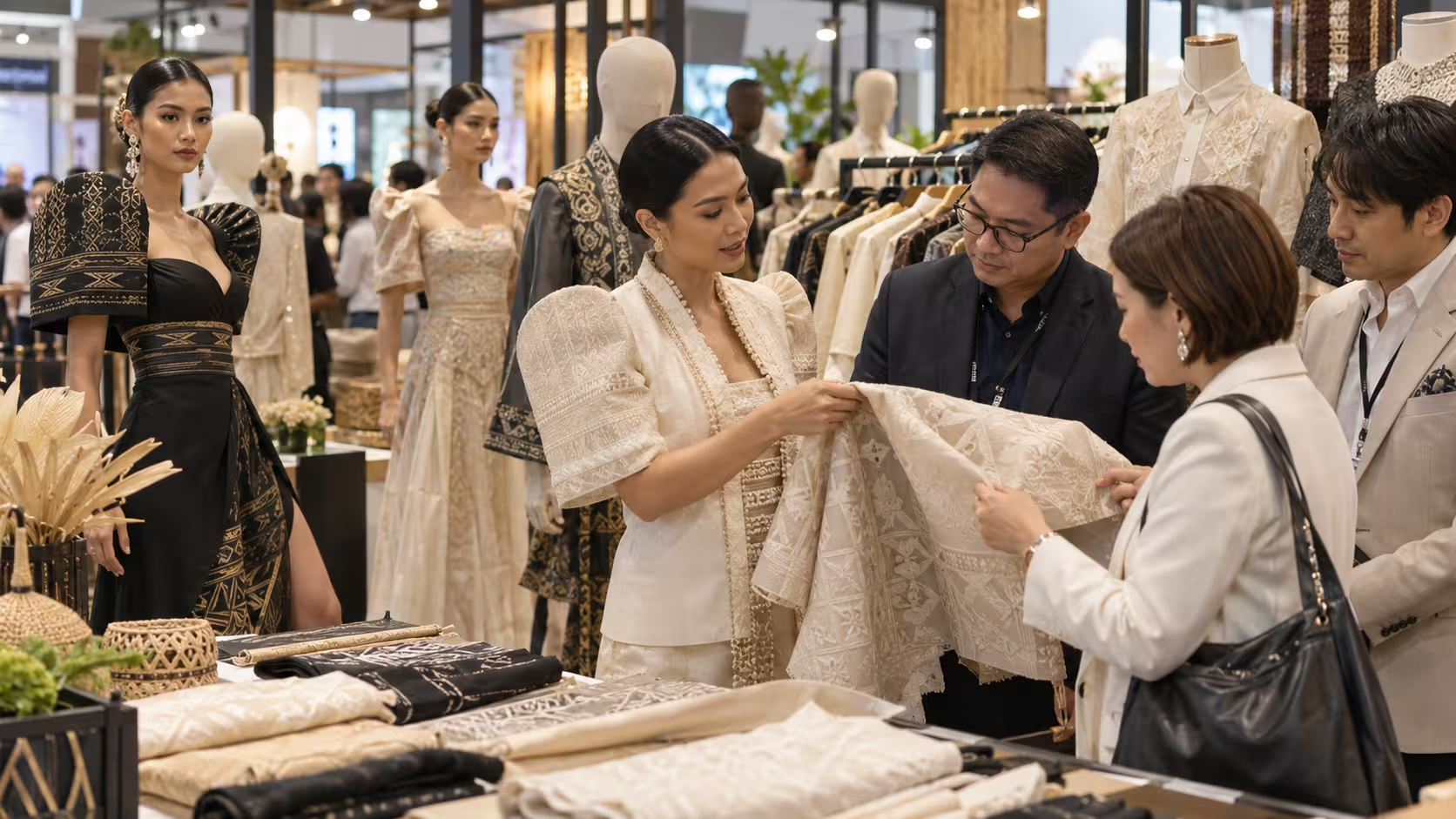
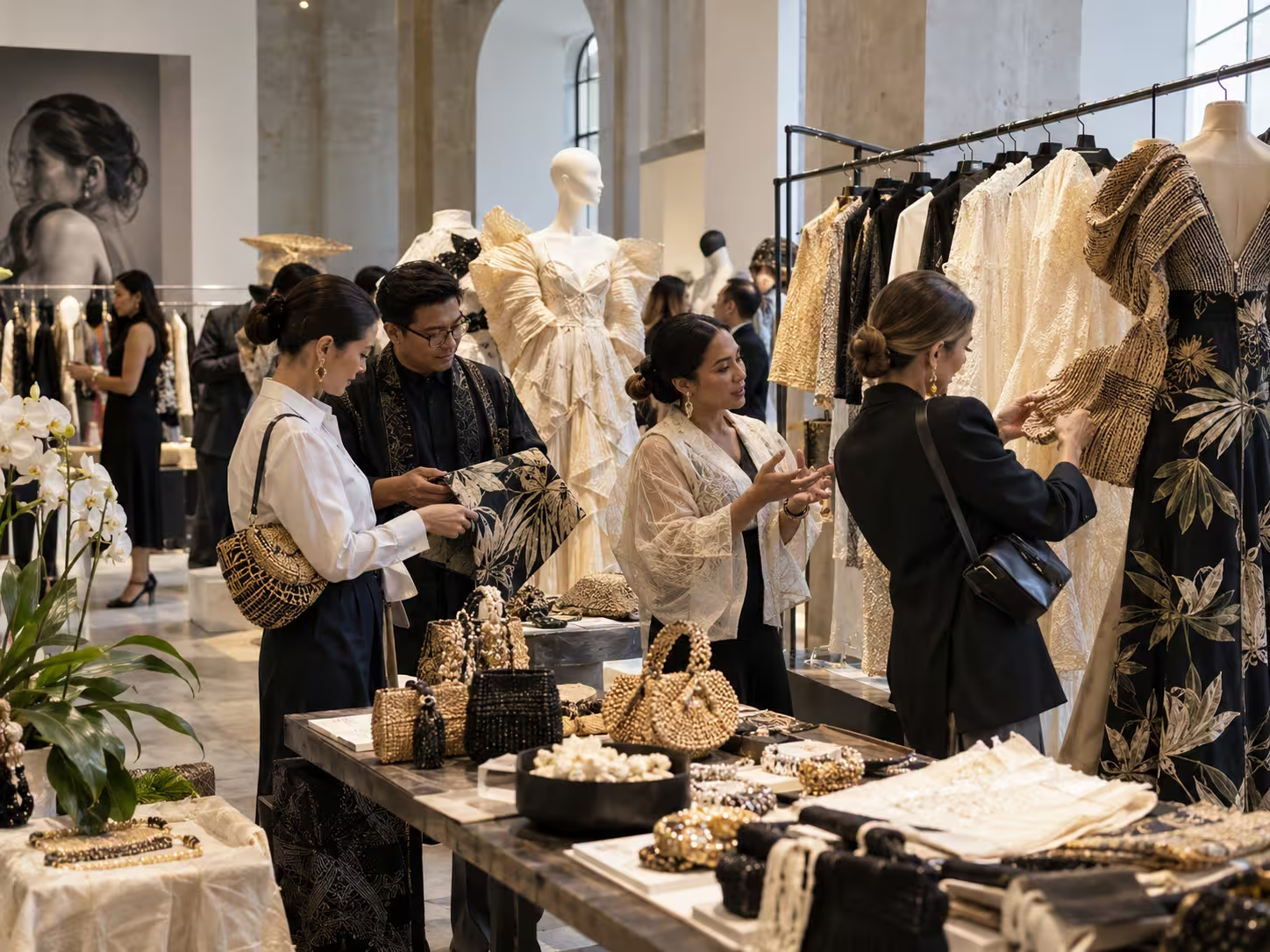
Every thread in Filipino wedding attire can be read as a language. Colors, materials, and embroidery motifs carry meanings that stretch from precolonial society to Spanish-era Catholicism to 2026 personal narratives. White remains popular, largely due to Western and Christian influence. But Filipino tradition also embraces ecru and champagne—the natural shades of raw piña—as well as gold accents that recall precolonial nobility. In 2026, brides are adding blush, sage, and dusty blue as secondary colors without losing cultural anchor.
White, Ecru, and the Rise of Soft Gold
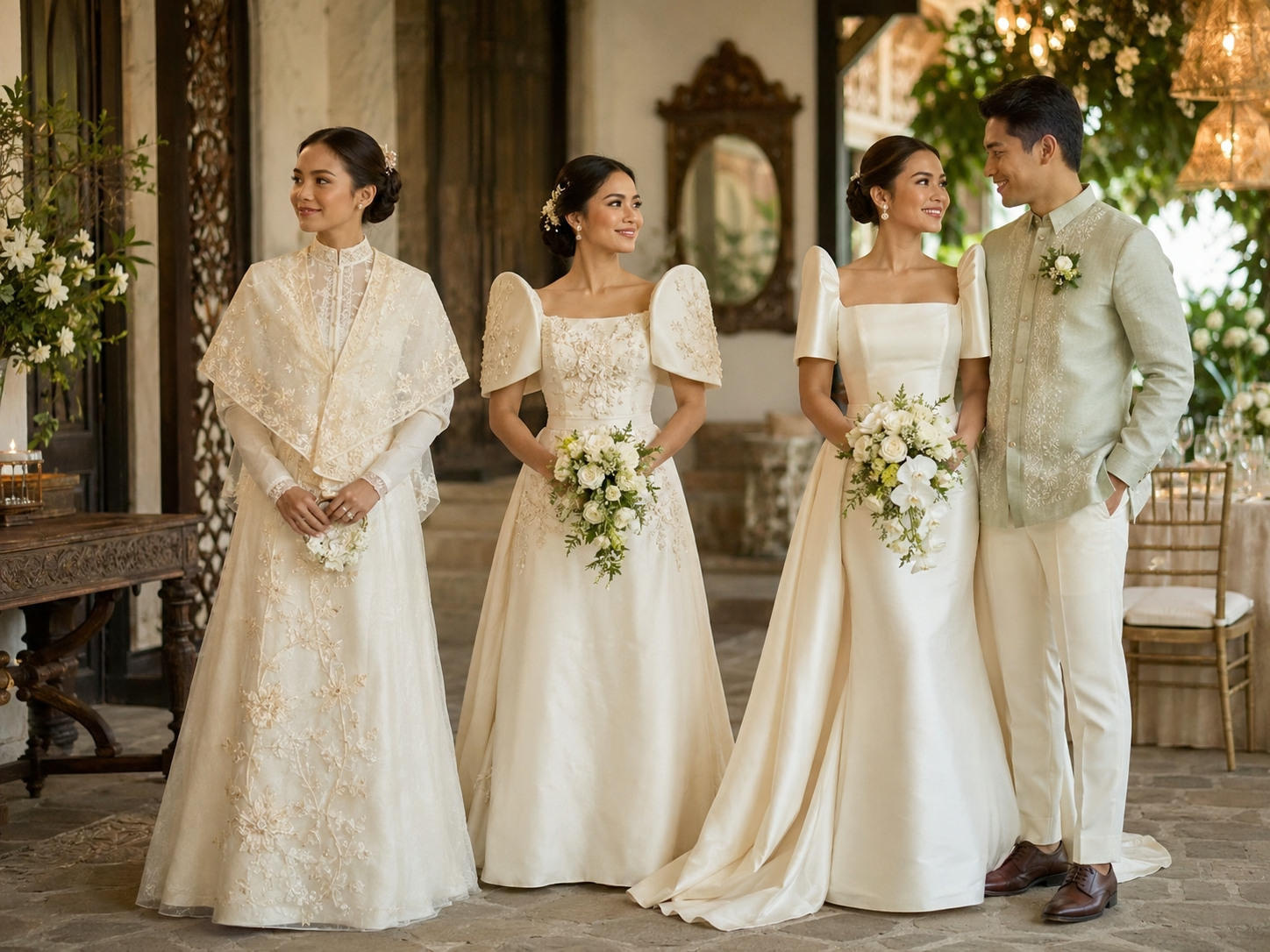
White symbolizes purity and new beginnings. Ecru and champagne feel warmer and highlight the natural luster of piña and jusi. Gold embroidery or jewelry nods to the datu class and to the idea of wedding attire as a visible blessing. Some couples choose a gold-threaded barong or a terno with gold beadwork along the sleeves.
Materials as Cultural Memory
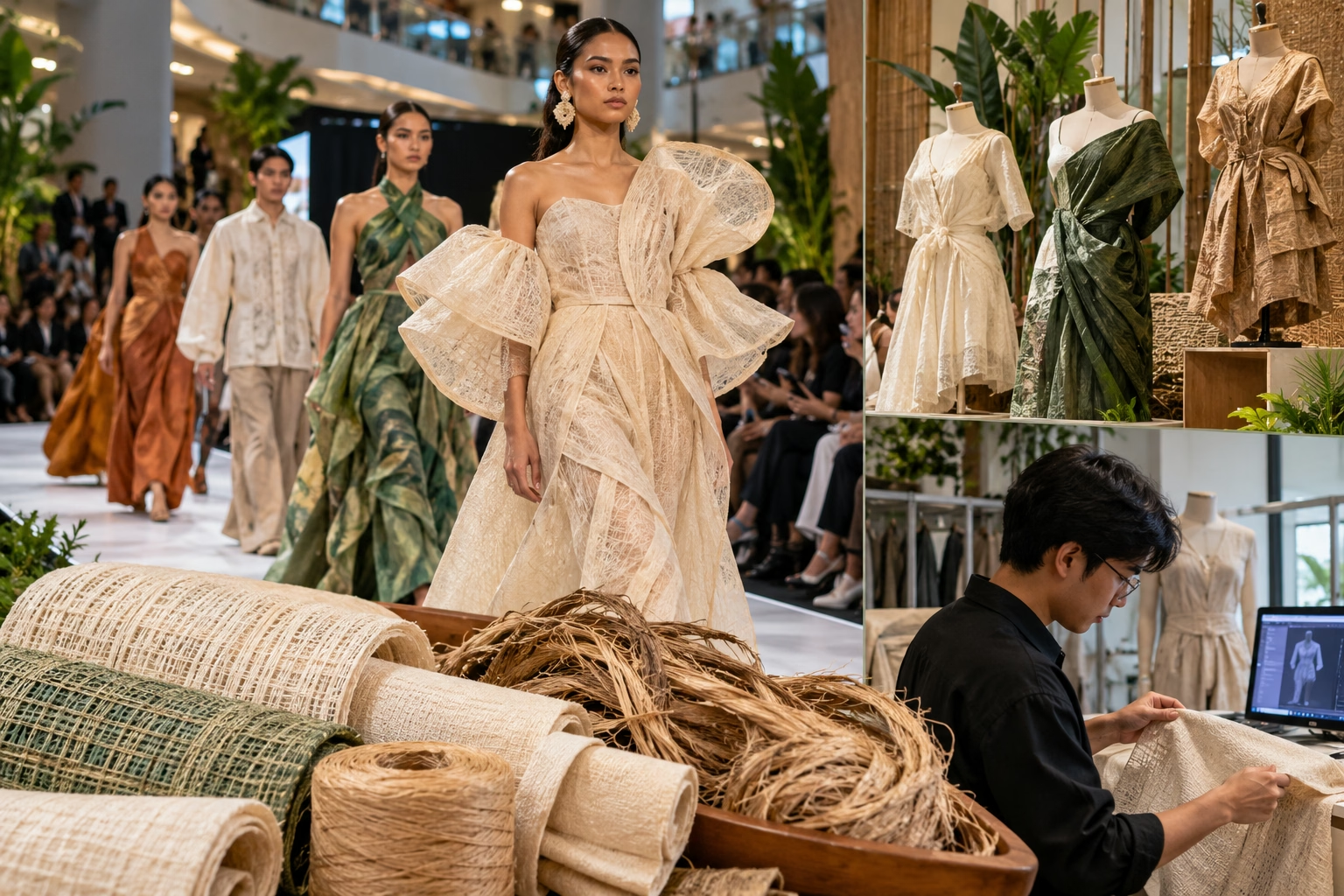
The material of a wedding garment is not incidental. Piña, harvested from pineapple leaves, is labor-intensive and prized for its sheen. Jusi is a lighter, more affordable silk-blend alternative. Abacá and cotton bring regional character. The National Commission for Culture and the Arts has long recognized traditional textiles as part of the country’s living heritage, and 2026 couples are leaning into that awareness.
Piña, Jusi, and Silk in Ritual Context
In many Filipino weddings, the veil, cord, and coins are placed over the couple’s attire. A barong made of sheer piña allows light to pass through, which some interpret as openness to God and community. A bride’s embroidered pañuelo can be lifted to cover the couple during the cord ritual, making the garment part of the liturgy itself.
Embroidery Motifs and Modern Personalization
Calado, the delicate openwork embroidery on piña, often features flowers, vines, and scrolls. Jasmine, a national flower, symbolizes purity and simplicity. Rice motifs may represent abundance. Today’s designers are adding native orchids, sampaguita, and regional plants to tell a couple’s specific story. At 2026 bridal studios in Quezon City and Iloilo, consultations now often include a motif session where couples choose symbols that map their origins. The result is a wedding wardrobe that speaks fluently in the language of Filipino heritage.