Fashion Is Changing the Visibility of Muslim Women
The growing presence of hijab fashion in the Philippines is about more than changing clothing trends. It reflects a broader transformation in how Muslim women participate in public life and represent themselves.
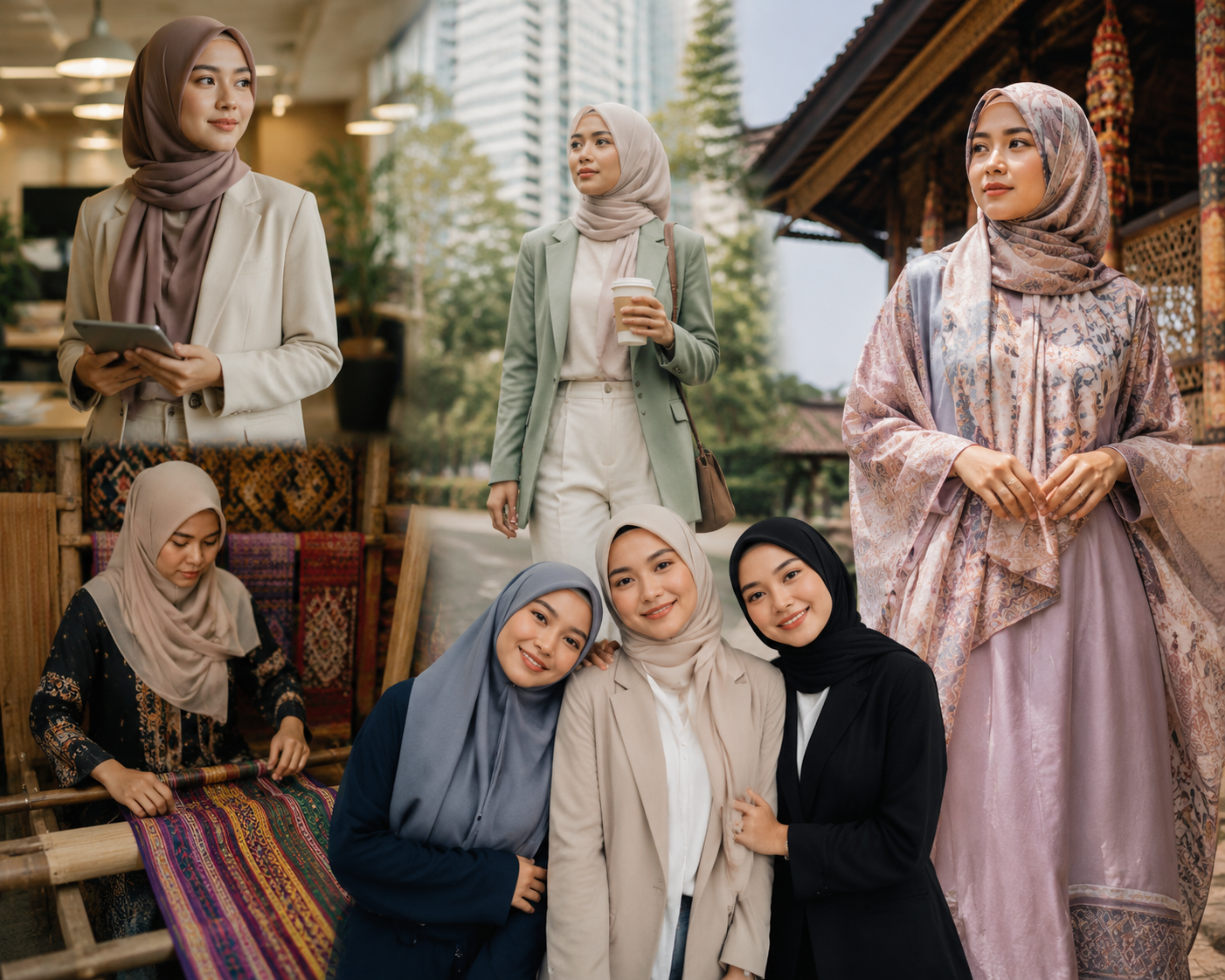
Today, modest style can be seen across universities, offices, business events, social media, weddings, and creative industries. Women are combining religious practice with the demands of professional and urban environments, creating wardrobes that communicate several parts of their identity at once.
This trend exists within a significant demographic reality. The Philippine Statistics Authority recorded nearly seven million people affiliated with Islam in the 2020 census. Although the figure should not be presented as a 2026 population estimate, it shows the scale of the community behind the country’s evolving modest fashion culture.
The most important change is visibility. Muslim women are increasingly participating in fashion conversations on their own terms.
Professional Life Is Creating New Style Demands
Modest Workwear Is Becoming More Sophisticated
For professionals, hijab fashion must often balance religious values, comfort, and workplace expectations.
This has encouraged combinations such as long blazers with wide-leg trousers, lightweight scarves with structured dresses, and neutral-colored outerwear designed for repeated use. These outfits are particularly practical in cities where women move between air-conditioned offices and hot outdoor environments.
The development of modest workwear also shows that the hijab is not separate from modern professional identity.
A lawyer, teacher, entrepreneur, medical worker, designer, or university student may require different clothing solutions. The expansion of style options gives women more freedom to dress modestly without appearing disconnected from contemporary fashion.
Cultural Heritage Adds Meaning to Modern Design
The Philippine context makes this fashion movement especially distinctive.
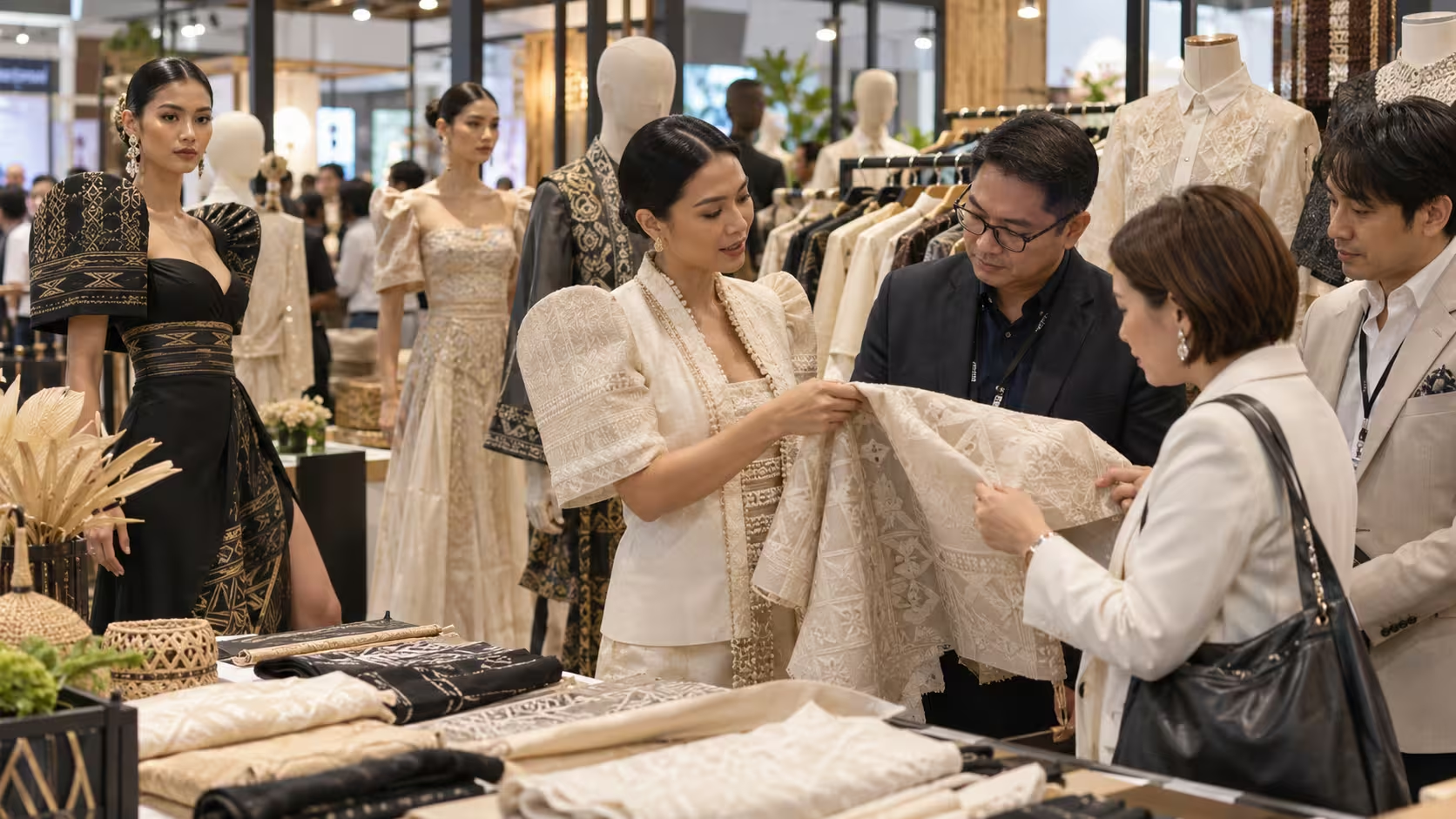
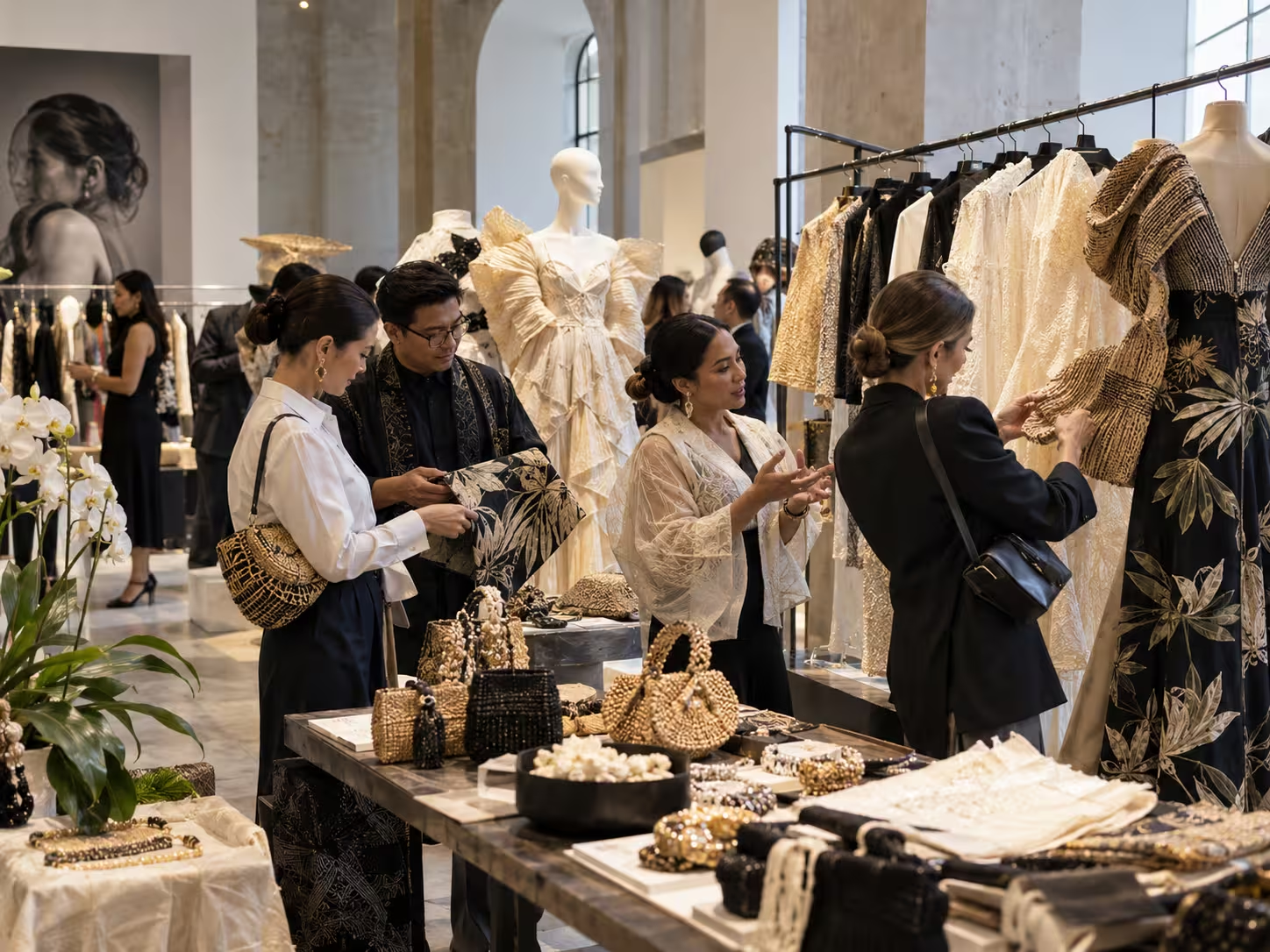
Muslim communities in Mindanao and the Sulu Archipelago carry rich artistic traditions that can influence color, pattern, weaving, and decorative details. When contemporary designers engage thoughtfully with these traditions, modest fashion can become a bridge between heritage and modern life.
A minimalist outfit may be paired with a locally inspired accessory. A formal dress may incorporate colors associated with regional craftsmanship. A scarf collection may use visual storytelling connected to place.
These choices allow fashion to communicate belonging without requiring traditional ceremonial dress in everyday situations.
The Challenge Is Representation Without Stereotyping
As hijab fashion becomes more visible, brands and media outlets face an important question: who controls the image?
Campaigns that treat the hijab only as an exotic symbol can flatten the diversity of Muslim women. A more credible approach shows different ages, professions, regions, and personal styles.
There is no single Filipino Muslim look.
Some women prefer black abayas. Others favor pastel scarves, sportswear, streetwear, traditional textiles, or minimalist business clothing. Recognizing this diversity creates more accurate representation and better fashion products.
A Broader Philippine Fashion Story Is Emerging
The rise of hijab fashion can also expand the way Philippine fashion is presented internationally.
National style is often associated with familiar symbols such as the barong, terno, tropical clothing, and mainstream urban trends. Muslim fashion adds another important layer to that story.
It connects regional heritage with entrepreneurship, faith, youth culture, and digital creativity.
This is why the future of the sector may depend less on copying established modest fashion centers and more on developing a confident local voice. The strongest Philippine hijab brands and creators are likely to be those that understand both global aesthetics and the everyday realities of Filipino Muslim women.
Through that process, the hijab becomes more than a garment in the public imagination. It becomes part of a larger discussion about who is visible, whose culture is represented, and how a diverse country expresses modern identity through fashion.