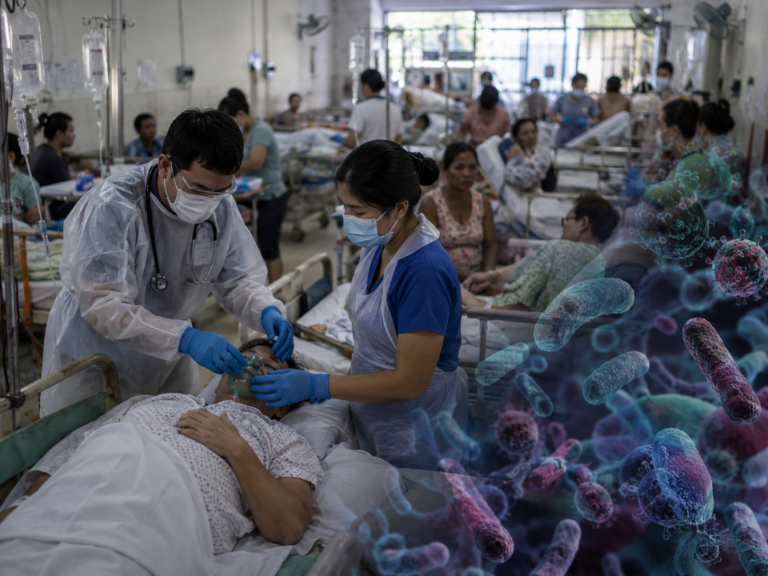

The most expensive time to begin caring for an older person is often after a preventable health problem has become an emergency.
That reality is changing the way senior healthcare should be understood in the Philippines. Hospital coverage remains essential, but the needs of an aging population increasingly extend to blood pressure monitoring, diabetes control, nutrition, mobility, mental well-being, medication safety, and early detection of disease.
Philippine Statistics Authority data from the 2020 census recorded about 9.22 million people aged 60 and older. For policymakers, healthcare providers, and families, this means healthy aging can no longer be treated as a minor social issue.
Senior Healthcare Depends on Several Connected Protections
The national framework includes PhilHealth coverage for senior citizens, benefits established by senior citizen legislation, and services delivered through local health systems.
Republic Act No. 10645 provides mandatory PhilHealth coverage for senior citizens, while Republic Act No. 9994 offers important financial protections, including a 20 percent discount and VAT exemption on qualified healthcare expenses.
These measures can reduce the financial impact of treatment. Yet they work best when older adults receive care before a condition becomes severe.
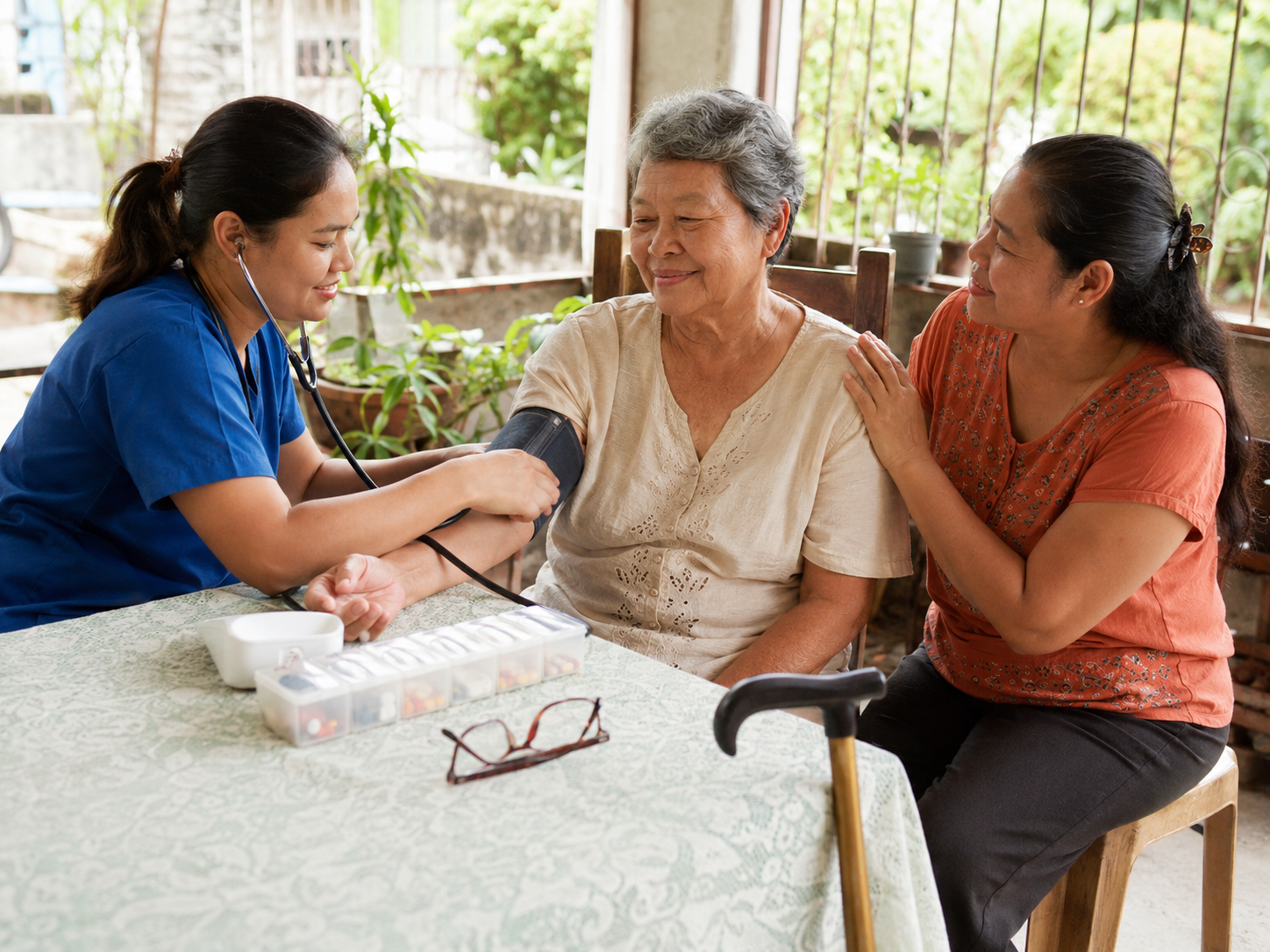
A person whose high blood pressure is discovered during routine monitoring may avoid a more dangerous complication. An older adult whose medicine list is reviewed may reduce the risk of taking conflicting drugs. Early attention to poor vision or balance may help prevent a serious fall.
Healthy Aging Requires More Than Treating Disease
The World Health Organization’s Decade of Healthy Ageing 2021–2030 emphasizes improving the lives of older people, their families, and communities. The initiative can be reviewed at https://www.who.int/initiatives/decade-of-healthy-ageing.
This perspective is highly relevant to the Philippines.
Older adults often want more than survival after illness. They want to continue shopping independently, attending community activities, caring for grandchildren, practicing their faith, and making decisions about their own lives.
Healthcare programs therefore need to protect functional ability as well as treat disease.
A Common Family Experience Shows the Gap
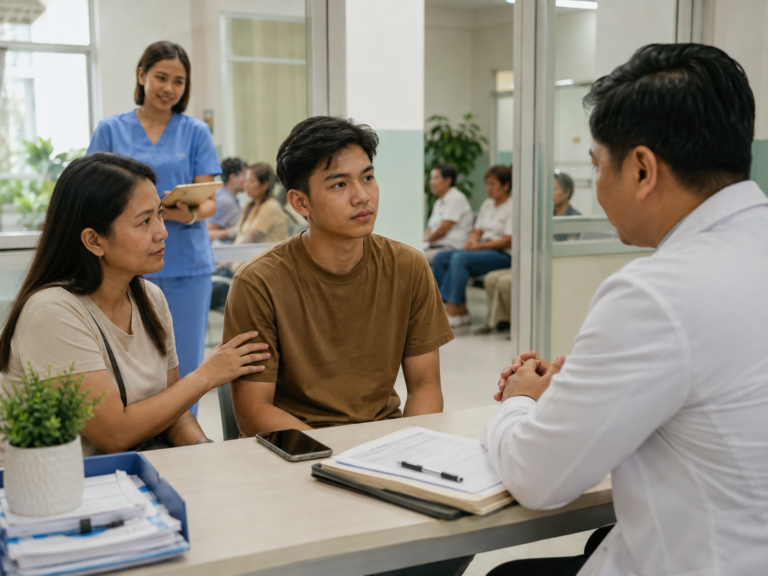
Imagine a typical household caring for an elderly parent with diabetes and arthritis. The parent may have PhilHealth coverage and senior citizen privileges, but the family still has to manage appointments, transportation, diet, prescriptions, and regular monitoring.
When care is fragmented, problems can be missed. A patient may take outdated medicine, skip follow-up tests, or stop treatment because traveling to a facility is too difficult.
The strongest response is coordinated local care. Barangay health stations and rural health units can provide an accessible entry point, while hospitals and specialists can handle more complex cases.
OSCA offices can help older residents access benefits connected to their senior citizen status.
The Future of Senior Care Starts Closer to Home
For families assessing the system in 2026, the most useful question is not simply, “What benefits exist?” A better question is, “How can these benefits be used early and consistently?”
Keeping medical records organized, maintaining an accurate medicine list, attending routine screenings, and knowing where to seek referrals can prevent confusion during a health crisis.
At the policy level, the same principle applies. Insurance, local services, preventive care, and social support should function as parts of one pathway.
The Philippines already has important foundations for protecting older adults. The greater opportunity lies in making care easier to reach before illness becomes severe.
A truly effective senior health program helps older people stay active, manage chronic conditions, avoid preventable emergencies, and preserve dignity throughout later life.