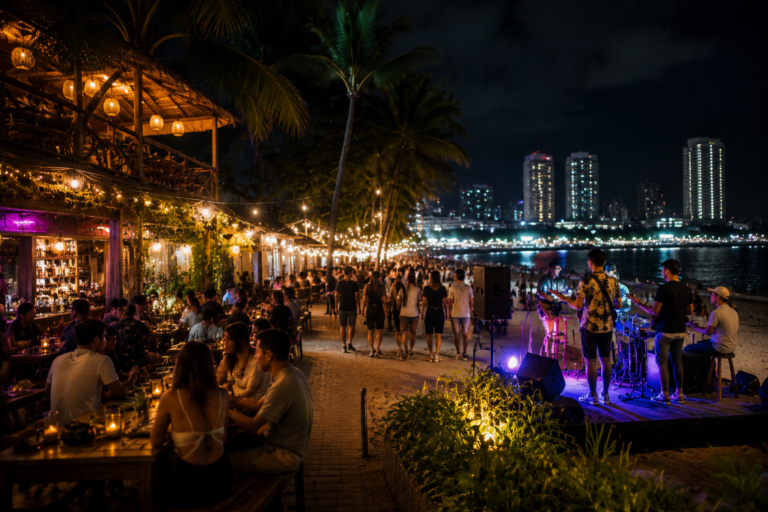
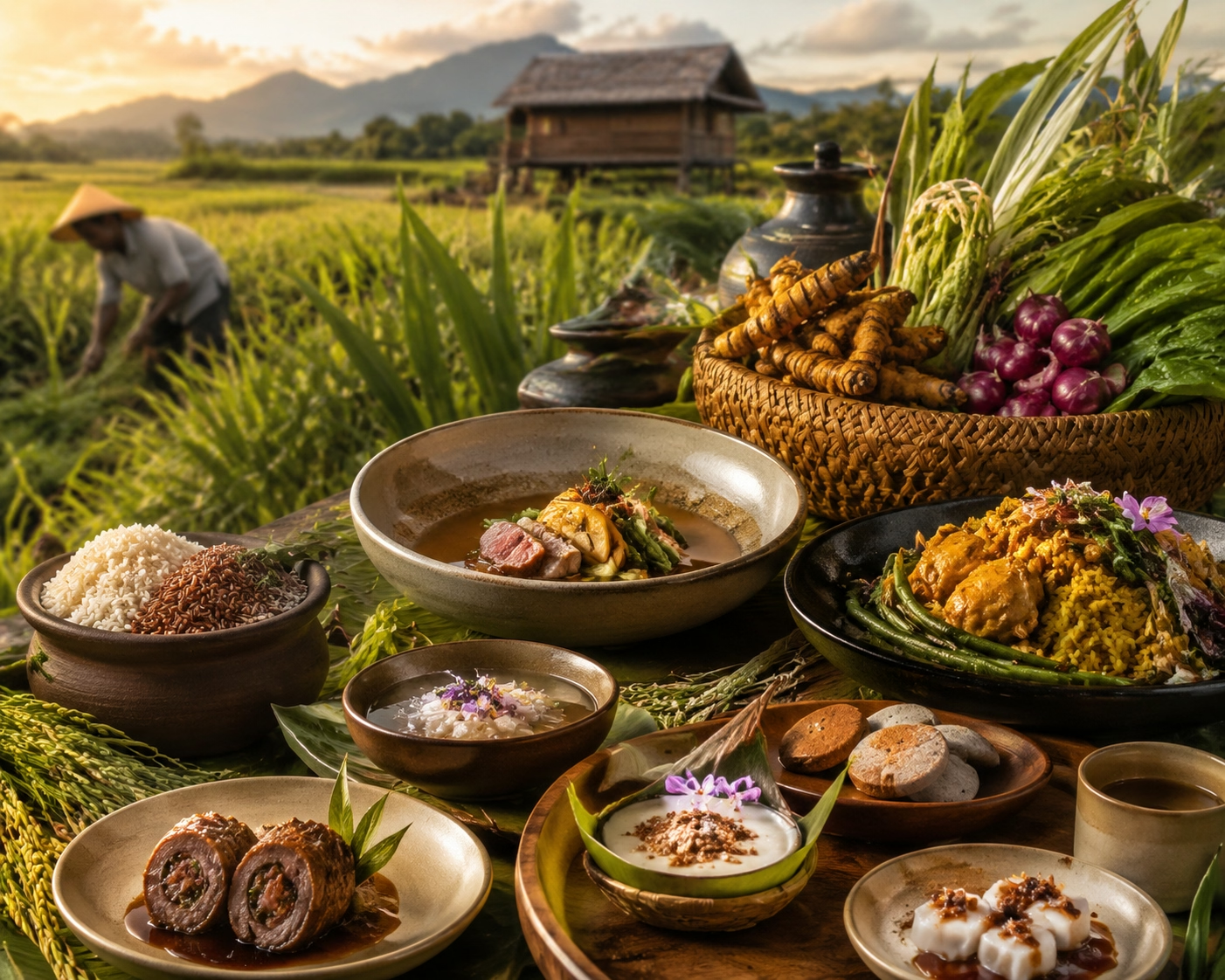

The city of Iloilo is often described as the “Heart of the Philippines,” but for gastronomes in 2026, it is increasingly known as the country’s bastion of “Slow Food.” Unlike the fast-paced street food capitals, Iloilo offers a culinary experience rooted in nostalgia, patience, and a profound respect for tradition. The city’s gentrification has been careful, ensuring that the heritage houses and the recipes held within them remain the focal point of the tourist experience.
The Anatomy of a Perfect Bowl of Batchoy
No trip to Iloilo is complete without tasting the iconic La Paz Batchoy. In 2026, the competition among the legendary shops—namely Deco’s, Ted’s, and Popoy’s—remains fierce, but the appreciation has deepened. Tourists are no longer just eating the noodle soup; they are analyzing its anatomy. The 2026 traveler knows to look for the specific tenderness of the viscera (liver, spleen, kidney), the silkiness of the fresh egg noodles, and the depth of the pork bone broth that has been boiled for hours.
Guided “Batchoy Crawls” are now a standard activity, taking visitors through the public markets where the ingredients are sourced at dawn. This transparency in sourcing is a key tenet of the Slow Food movement that Iloilo has officially adopted. The focus is on “clean, good, and fair” food, ensuring that the local butchers and noodle makers receive proper recognition and economic benefit.
Seafood and the “Paluto” Experience
Iloilo’s coastline provides a bounty of shellfish and fish that define the Ilonggo table. The concept of paluto (cook-for-you) markets is not new, but in 2026, the experience has been elevated. At markets like the one in Villa Beach or the Iloilo Fishing Port Complex, tourists can buy fresh diwal (angel wing clams), a delicacy that was once endangered and has made a spectacular comeback due to conservation efforts.
Travelers select their seafood and bring it to adjacent restaurants that specialize in specific cooking methods. The most popular trends in 2026 include baking scallops with garlic and butter, and grilling blue marlin jaw—a fatty, tender cut that is often overlooked by tourists but prized by locals. The simplicity of the preparation—often just calamansi, soy sauce, and chili—highlights the freshness of the catch.
Preserving the Heirloom Table
The concept of lutong bahay (home cooking) has become a tourist attraction in itself in Iloilo. Many ancestral homes in the Jaro district have converted their dining rooms into private restaurants, serving family recipes that have been passed down for four generations. Dishes like Kadyos, Baboy, Langka (KBL)—a sour soup made with pigeon peas, pork, and jackfruit—are being documented and preserved.
The local government has launched a digital archive in 2026 to catalog these heirloom recipes, ensuring that modernization does not erase the culinary identity of the Ilonggo people. Data from the local tourism office shows a 20% increase in visitors seeking “heritage dining experiences” compared to the previous year. You can find official listings and event schedules on the Iloilo City Government website.