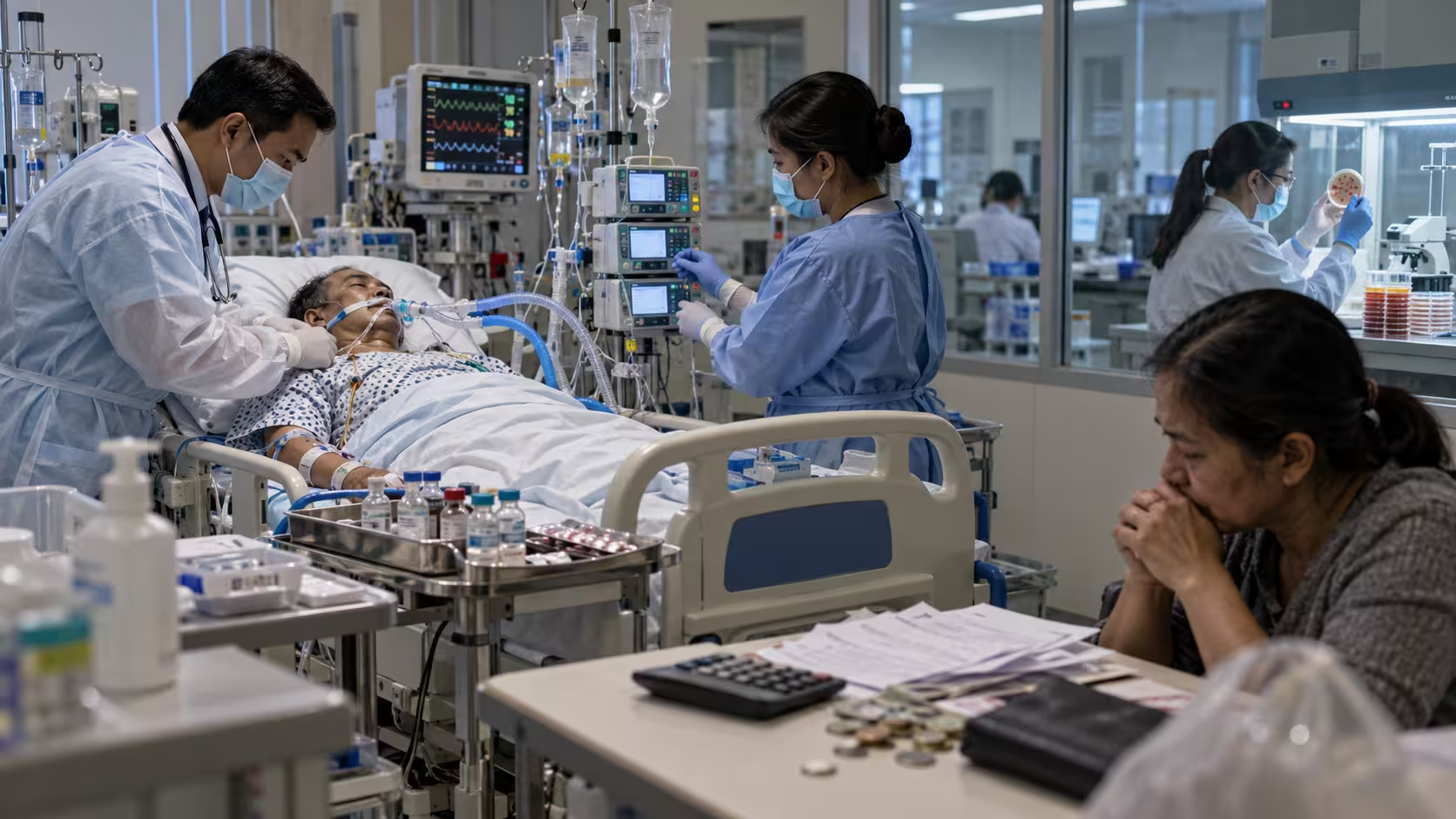

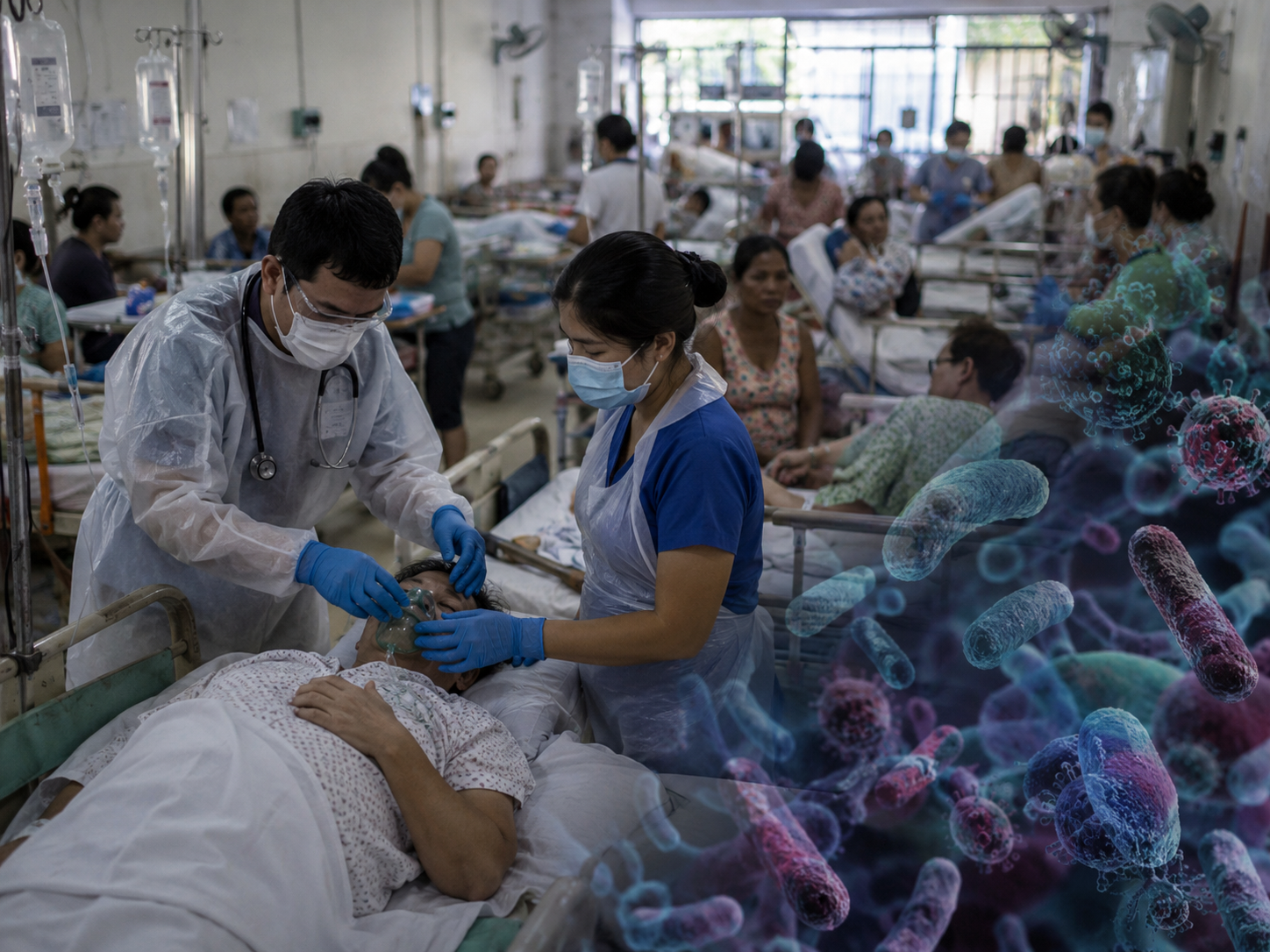
The most dangerous adversaries in the Philippine healthcare system of 2026 are not visible to the naked eye. They are microscopic organisms that have evolved to resist the drugs designed to kill them. Antimicrobial Resistance (AMR) is a slow-moving tsunami, threatening to render modern medicine ineffective. Within the walls of congested public hospitals, this crisis is already unfolding, turning routine surgeries and minor infections into life-threatening ordeals.
The Rise of the Superbugs
Carbapenem-resistant Enterobacterales (CRE) and Methicillin-resistant Staphylococcus aureus (MRSA) are no longer just acronyms in medical journals; they are daily realities for clinicians at the Philippine General Hospital (PGH) and other tertiary centers. The over-prescription of antibiotics, often without proper laboratory culture confirmation, is the primary culprit.
In 2026, the Department of Health is struggling to enforce the “One Health Antimicrobial Resistance National Action Plan.” Antibiotics remain widely available over the counter in many smaller botika (pharmacies) despite legal prohibitions. Patients often self-medicate for viral infections like the flu, wiping out their natural gut flora and giving resistant bacteria a competitive edge. The agricultural sector also plays a role, with widespread antibiotic use in poultry and livestock contributing to the resistance gene pool that eventually reaches human populations through the food chain.
Hospital-Acquired Infections (HAIs)
Overcrowding is the Achilles’ heel of the Philippine public health system. In 2026, hospital wards often operate at 200% capacity, with beds spilling into corridors. This density creates a perfect storm for Hospital-Acquired Infections.
Ventilator-associated pneumonia (VAP) and central line-associated bloodstream infections (CLABSI) have high incidence rates in government ICUs. The lack of strict adherence to Infection Prevention and Control (IPC) protocols, such as hand hygiene and proper sterilization of equipment, exacerbates the spread. The cost of treating a single AMR infection is astronomical, often pushing middle-class families into poverty and placing immense strain on PhilHealth reimbursements.
The Diagnostic Gap
A significant barrier to fighting AMR in 2026 is the lack of diagnostic capacity. Many rural hospitals lack the automated equipment to perform rapid blood cultures and susceptibility testing. This forces doctors to prescribe “broad-spectrum” antibiotics—a shotgun approach that kills everything, including beneficial bacteria, and accelerates resistance. Investment in molecular diagnostics is urgently needed so that therapy can be targeted and precise.
The narrative of AMR is a race between science and evolution. Currently, evolution is winning. Unless there is a paradigm shift in how Filipinos view antibiotics—not as a magic cure-all, but as a precious resource to be protected—the country faces a future where minor scrapes could be fatal.