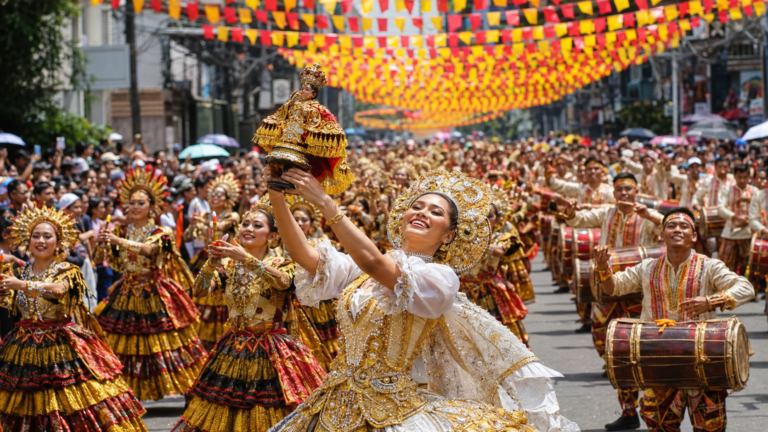


Every election cycle in the Philippines brings a flood of catchy, often disposable, jingles designed to lodge a candidate’s name in the voter’s mind. However, the 2026 campaign trail has witnessed a distinct shift in strategy. Politicians are moving away from generic pop beats and turning toward the deep, resonant power of traditional Filipino music to build credibility, evoke nostalgia, and signal cultural solidarity.
Sonic Branding and Nationalism
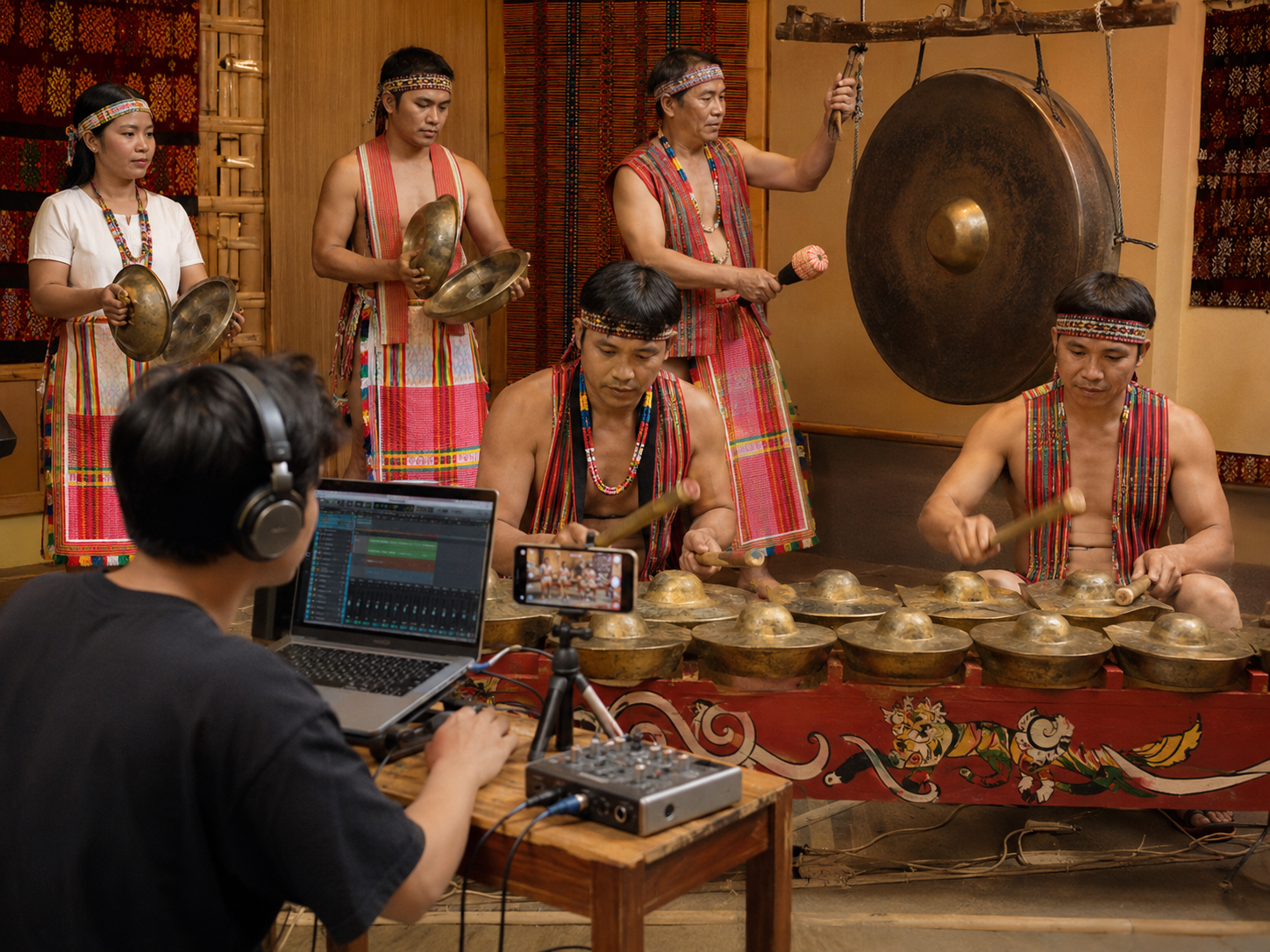
In the highly polarized political landscape of 2026, candidates are searching for symbols that unify rather than divide. Traditional folk music, with its deep roots in the pre-colonial and revolutionary history of the Philippines, offers a potent sonic brand. Campaign rallies have increasingly featured live performances of Kulintang ensembles and tribal chants from the Cordilleras, not just as opening acts, but as the central theme of the event.
This strategy serves a dual purpose. Firstly, it signals to voters that the candidate values regional cultures and indigenous rights. Secondly, the emotional weight of these songs—which have been used historically in times of struggle and harvest—transcends the usual political rhetoric. A candidate standing silently while a master of the Kudyapi (a two-stringed lute) plays a haunting melody often appears more “presidential” and contemplative than one dancing to a synthesized beat.
The Power of the Agitprop Revival
The Kundiman and other traditional forms have a long history in political protest in the Philippines. During the American colonial period, these songs often carried hidden messages of resistance. In 2026, campaign strategists are re-appropriating these classics. By using arrangements of traditional protest songs, candidates are aligning themselves with the historical “underdog” narrative that resonates deeply with the Filipino electorate.
The Commission on Elections (COMELEC) has strict regulations regarding campaign materials, including audio. Their 2026 guidelines cover the use of original compositions and fair use, especially when politicians use indigenous music without permission from the ethnic groups. This has sparked debates on cultural appropriation. For the official rules governing these campaign practices, you can view the updated COMELEC resolutions here: https://comelec.gov.ph/.
Cultural Appropriation vs. Cultural Endorsement
The use of traditional music in politics is a double-edged sword. While it exposes these art forms to millions, it also risks commodifying sacred rituals. In 2026, indigenous groups have become more vocal and legally savvy. Political candidates are now negotiating directly with tribal councils to obtain “cultural endorsements” before using their music. This shift has, in a surprising twist, empowered indigenous leaders, granting them unprecedented political leverage.
In the 2026 elections, the beat of the drum and the strum of the lute are as important as any policy debate. Traditional music has become the primary vehicle for communicating authenticity, and voters are listening closely.