The future of healthcare in the Philippines is not an either/or proposition. In 2026, the most progressive medical institutions are realizing that treating a Filipino patient requires understanding the Filipino soul. This understanding necessitates a formal acknowledgment of the Albularyo, the Hilot, and the herbalist. The previous stigma attached to these traditional healers is evaporating, replaced by a nuanced appreciation for their role in community health. This year marks the institutionalization of a symbiotic relationship where the diagnostic power of modern medicine is merged with the holistic, culturally resonant care of indigenous practice, creating a healthcare ecosystem that is both technically advanced and profoundly human.
Hospital Partnerships and “Culture Brokers”
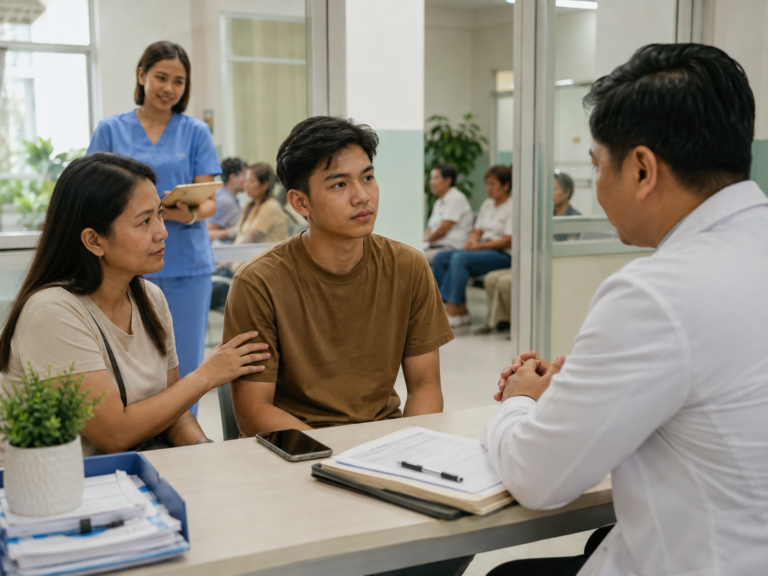
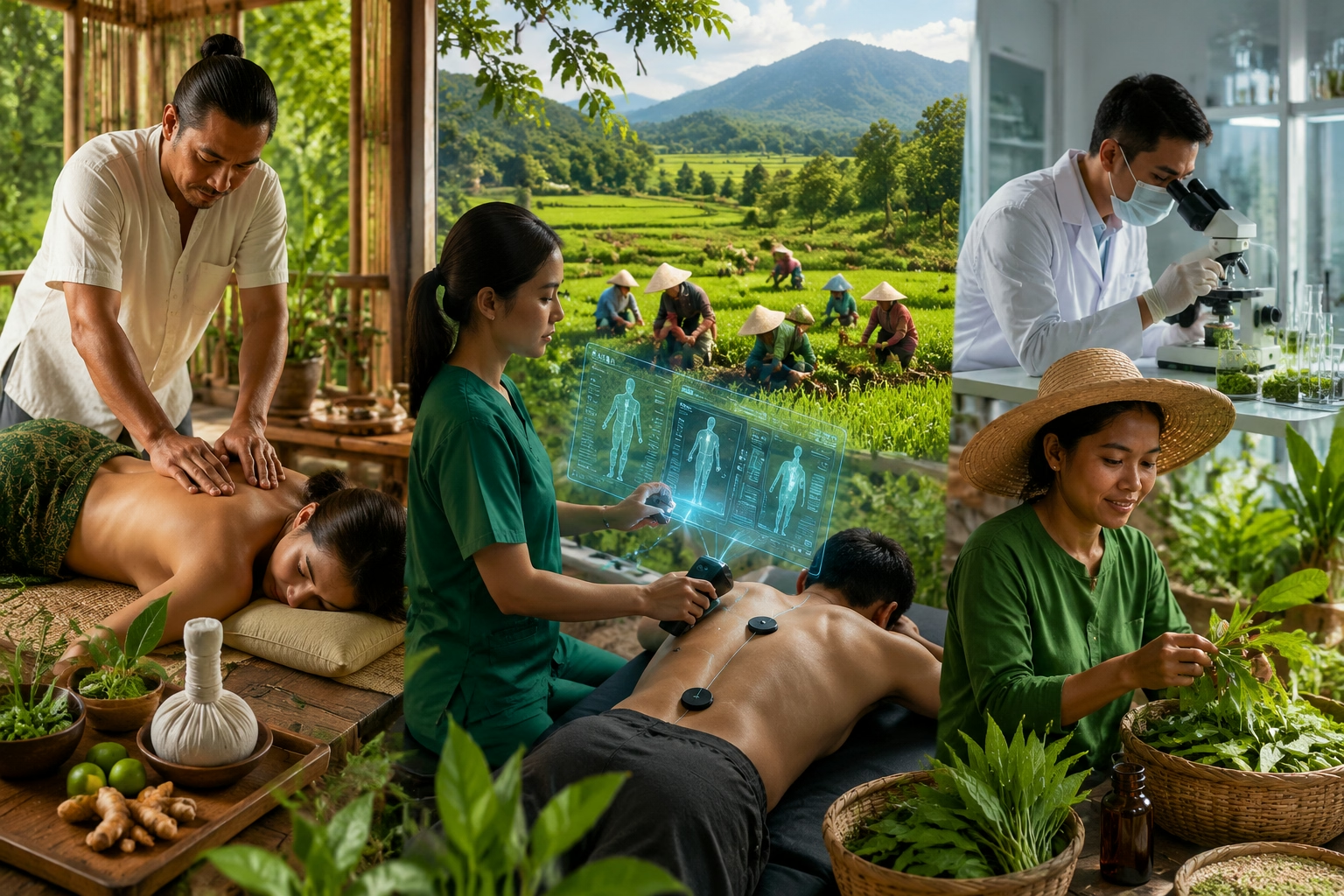
The most striking development of 2026 is the presence of traditional healers within hospital settings. Major private hospitals in Cebu and Iloilo have begun hiring “Culture Brokers” or “Indigenous Patient Navigators.” These are certified traditional healers who act as liaisons between the medical staff and patients from rural or deeply traditional backgrounds. They do not replace doctors; instead, they help explain medical procedures in a cultural context and assist in managing the patient’s spiritual distress. For instance, a patient undergoing chemotherapy might be reluctant to proceed due to a belief in a spiritual curse. The Culture Broker bridges this gap, ensuring the patient receives the life-saving biomedical treatment while feeling that their spiritual worldview is respected and addressed.
The Validation of “Hilot” for Musculoskeletal Disorders
Physical therapy departments are also undergoing a transformation. The integration of Hilot techniques into post-surgical rehabilitation and sports medicine has gained substantial traction. Unlike standard Western massage, Hilot often involves the application of heated banana leaves and coconut oil infused with medicinal roots, followed by specific stretching and joint manipulation. In 2026, several leading orthopedists in Manila are prescribing a combination of hospital physiotherapy and accredited Hilot sessions. Clinical observations suggest that patients receiving this combined approach report lower pain scores and higher satisfaction levels. The heat therapy and deep tissue work of Hilot are proving highly effective in breaking down scar tissue and restoring mobility, validating what Filipino grandmothers have known for generations.
Addressing the “Lifestyle Disease” Epidemic
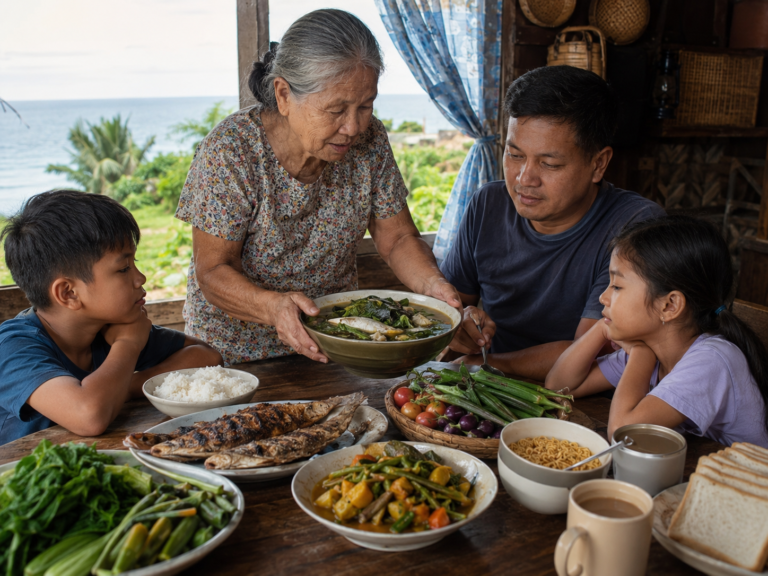
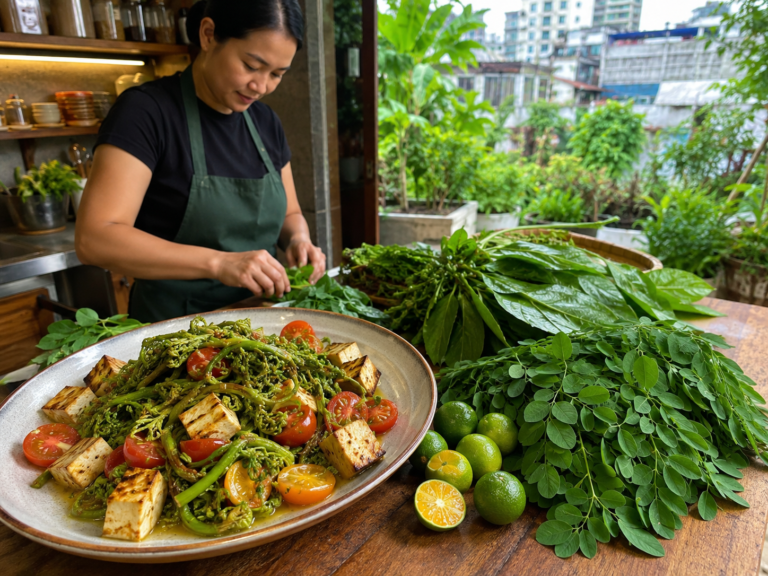
The resurgence of traditional medicine is also a frontline defense against the epidemic of non-communicable diseases (NCDs) like diabetes and hypertension. The 2026 health initiative “Balik Alindog, Balik Sigla” (Return to Vitality) utilizes traditional dietary principles to combat obesity. Nutritionists are reviving the pre-colonial Filipino diet, which is rich in root crops, fish, and the medicinal properties of spices like turmeric (Luyang Dilaw). This is a departure from the Westernized, processed food diet that has dominated the country for decades. By framing nutrition through the lens of traditional Filipino cuisine, health advocates are making healthy eating culturally appealing rather than a chore, targeting the root cause of metabolic diseases before they require pharmacological intervention.