
The Philippines sits at the heart of the Coral Triangle, where a cocktail of currents feeds reefs teeming with life. For nature travelers—divers, snorkelers, and careful boat-goers—its marine parks are a masterclass in conservation and adventure.
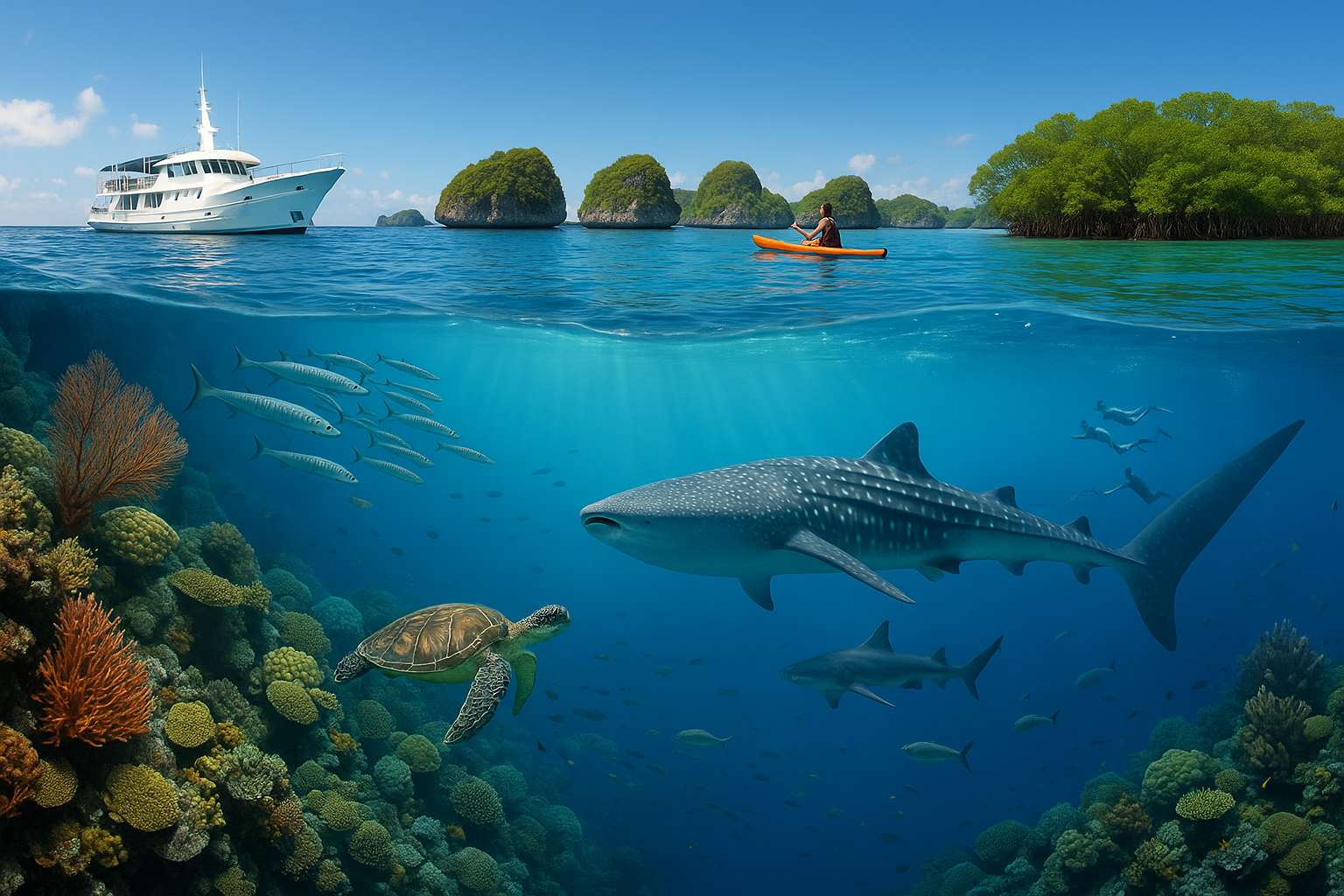
Tubbataha Reefs Natural Park is the headline act. Located in the open Sulu Sea, it’s reachable only by liveaboard during a narrow window, usually mid-March to mid-June, when seas are safest. Expect steep walls studded with gorgonians, swirling barracuda, and frequent shark encounters. Operators coordinate with park rangers, and strict rules ban anchoring, fishing, and night landings. Advanced diving skills, reef-safe sunscreen, and a no-touch policy are essential.
Apo Reef Natural Park is a more accessible alternative with similarly grand vistas underwater. Sprawling hard-coral gardens, turtle cleaning stations, and occasional manta sightings make it a favorite for photographers. Camping on designated cays comes with conditions: bring your own water, minimize light pollution at night to avoid disorienting seabirds, and keep gear away from turtle nesting zones.
Closer to shore, the Hundred Islands National Park in Pangasinan offers a softer entry to marine landscapes. Kayakers weave between mushroom-shaped islets, while snorkelers explore clam gardens and shallow reefs. It’s an ideal place to learn basic marine etiquette—no fin kicks on coral, no standing on bommies, and careful entry/exit to avoid stirring sediments.
Donsol in Sorsogon pioneered regulated whale shark tourism. Boats follow a code that limits the number of swimmers per shark, keeps engines neutral during encounters, and prohibits feeding. The result is a nature-first model where sightings feel organic. Visitors should be strong swimmers comfortable in currents and prepared to pass on a jump if the shark is stressed or boat density is high.
Siargao’s marine reserves complement its surf fame. Offshore reefs around General Luna and the Sugba Lagoon mangroves host juvenile fish, seahorses, and birdlife. Paddling at slack tide reveals the nursery function of mangroves; guides often point out replanting projects and explain how root systems buffer storm surge—an ecological service as valuable as any postcard view.
Seasonality matters. The dry months from November to May favor calmer seas, but the optimal window depends on location. Visibilities at Apo Reef and Tubbataha peak in late summer; monsoon shifts influence plankton blooms, which in turn affect megafauna encounters. Always ask local operators about current, surge, and jellyfish conditions, and carry vinegar or a sting kit where appropriate.
Gear and skills amplify safety and enjoyment. A snug-fitting mask, neutrally buoyant fins, and a long-sleeve rash guard cut down on reef contact. Photographers should practice strobe positioning away from corals and maintain horizontal trim. Freedivers must have a buddy, a surface marker buoy, and conservative depth plans.
Philippine marine parks thrive on community buy-in. Conservation fees fund patrols; local cooperatives run homestays and boat services. Travelers who choose accredited outfits, respect no-take zones, and keep encounters animal-led participate in a living experiment: tourism as a guardian of blue wilderness rather than a threat to it.