

A National Strategy for Food and Farm Tourism
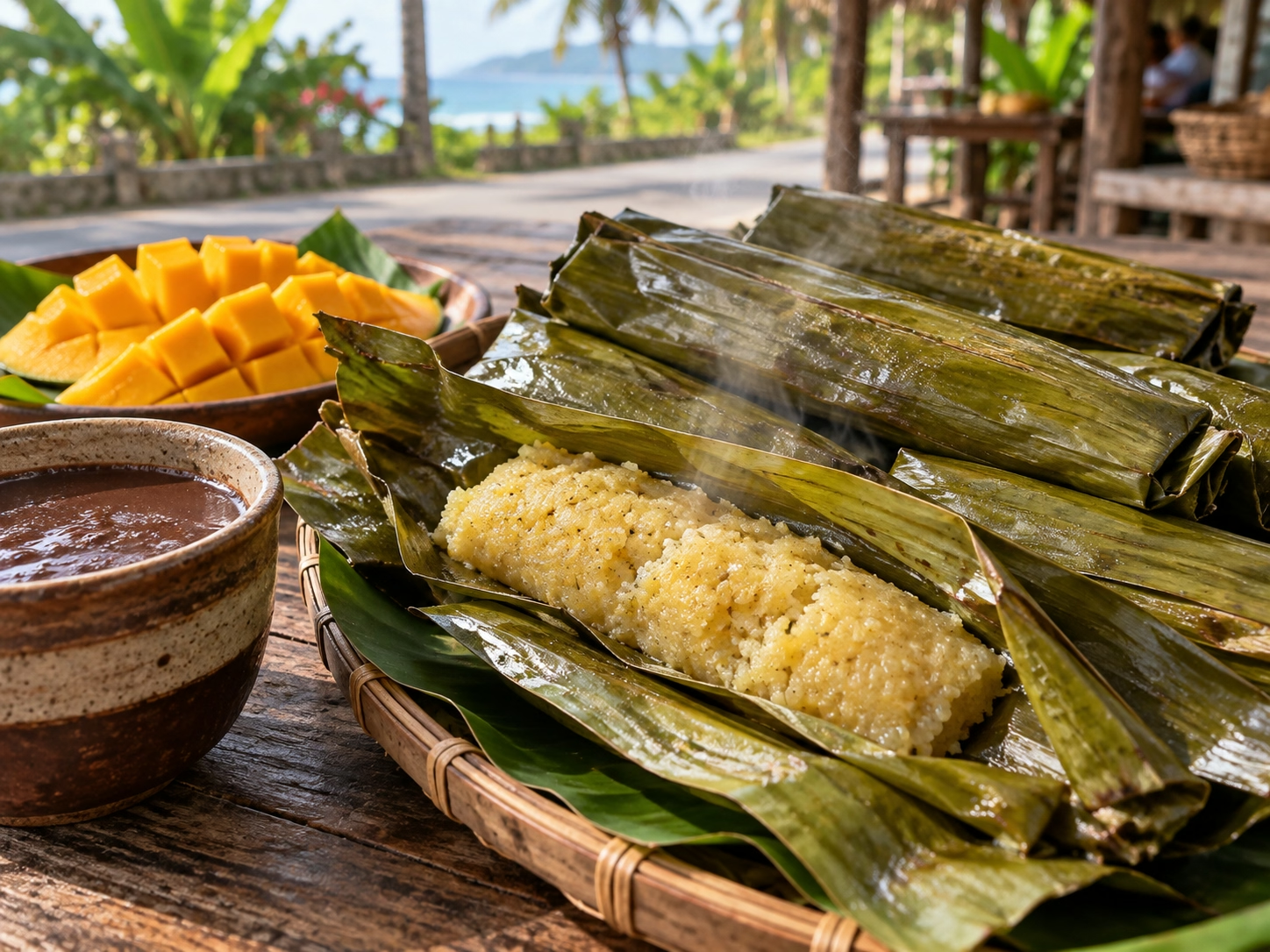
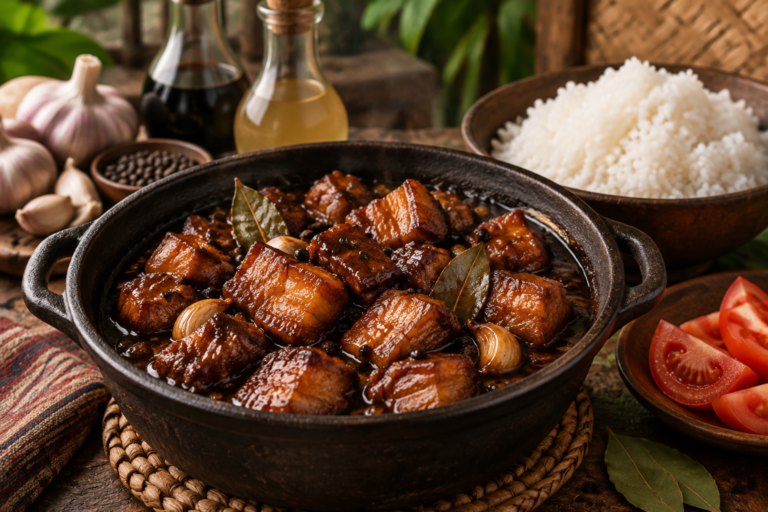
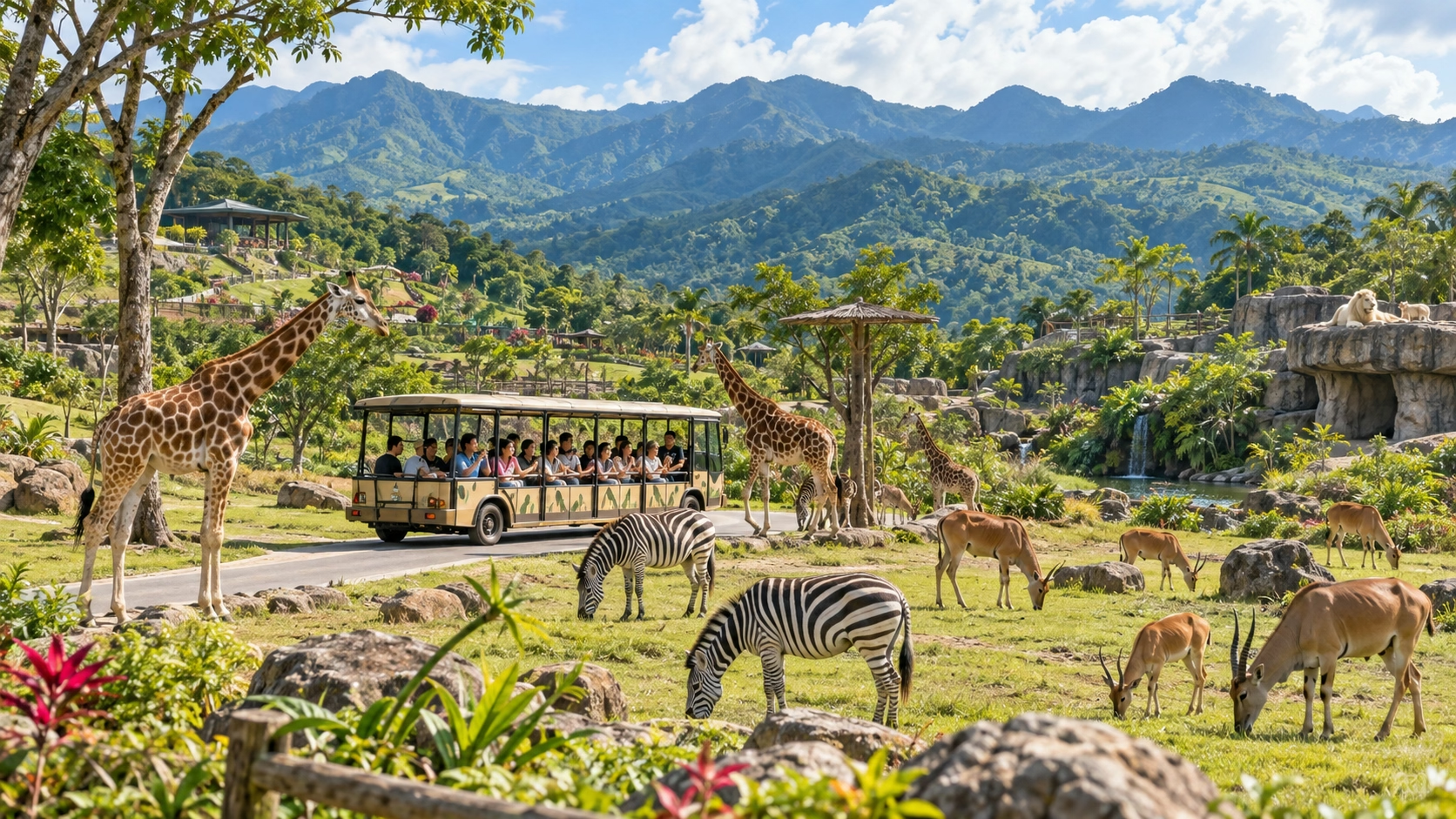
In February 2026, the Department of Agriculture and the Department of Tourism signed a landmark partnership to promote agri-food tourism and position the Philippines as a premier gastronomic destination in Asia. The agreement, formalized as the Farm Tourism and Gastronomy Tourism Strategic Action Plan (FTSAP) 2026–2031, aims to promote sustainable tourism, empower Filipino farmers, and integrate agricultural priorities into national tourism planning.
The strategic logic is compelling. Agriculture and tourism each contribute around 10 percent to the country’s GDP and account for nearly 30 percent of total employment when combined. By linking the two sectors, the government hopes to create a virtuous cycle: tourism demand stimulates agricultural production, which in turn supplies the restaurants and hotels that serve visitors.
Pilot Areas and the Roadmap
The roadmap identifies Bohol, Iloilo, and Benguet as pilot provinces—regions rich in culinary heritage, cultural attractions, and agricultural production. The technical working group created by the two agencies was tasked with producing the roadmap within six months, covering strategies for market rollout, farm-to-market access, and complementary infrastructure.
Funding is available for a range of initiatives, including organic farming, livestock production, mariculture, and aquaculture, as well as infrastructure such as farm-to-market roads, cold storage facilities, ice plants, and greenhouses. The DA has also allocated budget for rehabilitating the Banaue Rice Terraces, recognizing that agricultural heritage sites can serve as anchors for culinary tourism.
The Clark Food Hub: A Centralized Supply Chain Solution
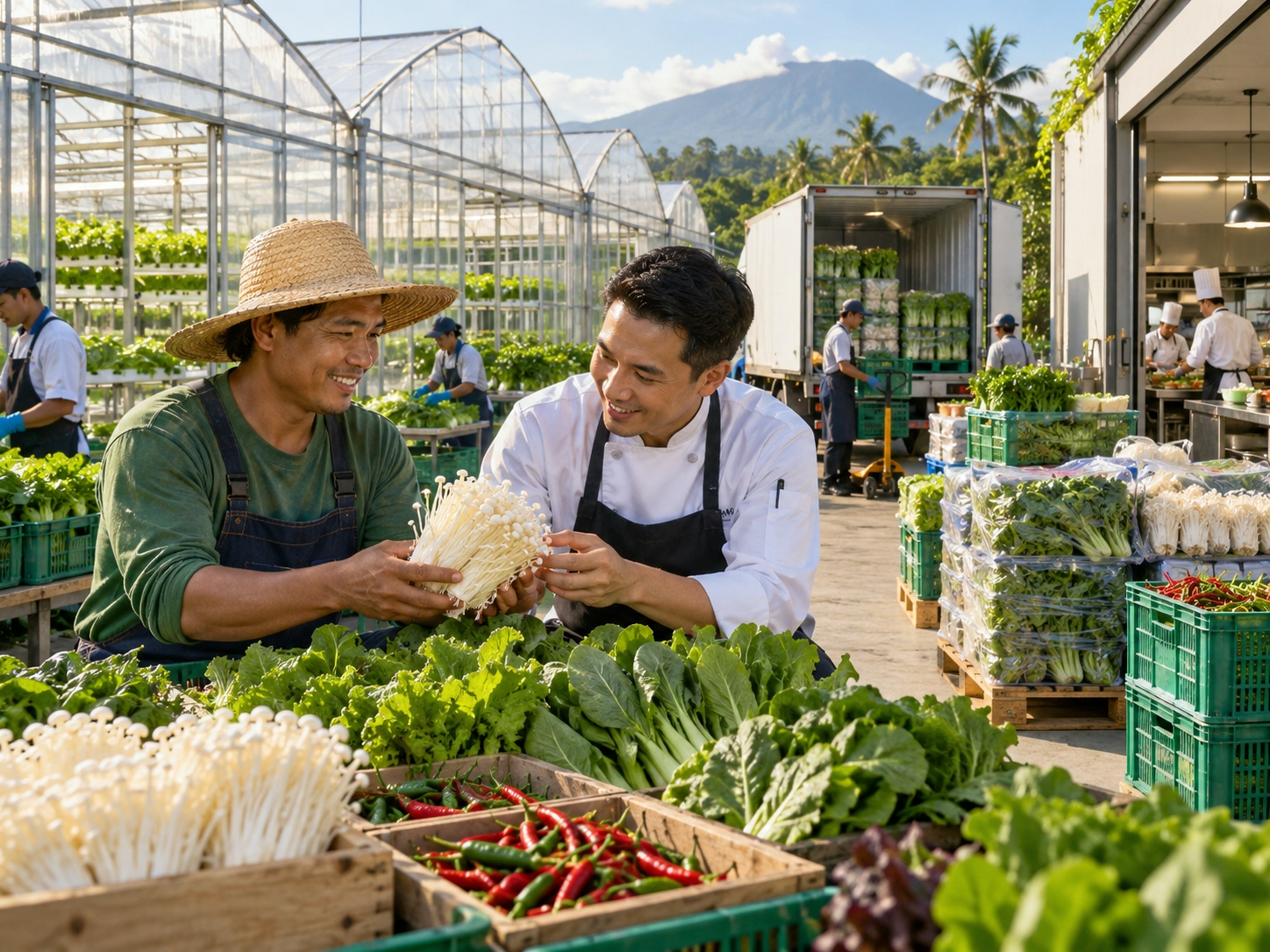
One of the most ambitious infrastructure projects under discussion is a food hub in Clark, Pampanga. The facility, planned on land owned by Clark International Airport Corp., would centralize the storage, processing, and distribution of farm goods, providing efficient access to farmers, traders, and institutional buyers. About 47 hectares have been identified for the project, with the initial 12-hectare section estimated to cost around P2 billion.
The food hub concept was originally proposed by Semmaris of France, operator of the Rungis International Market near Paris, though the initial plan stalled when a local partner withdrew. With renewed government backing, officials hope the project can move forward within 18 months of construction start. If realized, the Clark food hub would represent a significant modernization of the Philippine food value chain, reducing post-harvest losses and improving price stability for both producers and buyers.
Cold Storage and the Backhaul Problem
Complementing the food hub initiative is a growing recognition that cold storage must move closer to production areas. A cold chain expert has argued that the Philippines can significantly reduce post-harvest losses by bringing cold storage and order fulfillment facilities closer to agricultural production zones and adopting shared-use models among producers.
The backhaul problem—where roughly 70 percent of trucks return empty after deliveries—represents a major inefficiency that drives up logistics costs across the food supply chain. Addressing this would require better coordination among logistics providers, farmers, and buyers, as well as investment in cold chain infrastructure at both ends of the journey.
The Stakes for Restaurants and Consumers
For the Philippine restaurant industry, these policy and infrastructure developments matter directly. Michelin Guide’s arrival in the Philippines in 2025 elevated international attention on Filipino cuisine, and chefs have increasingly embraced local ingredients such as heirloom rice, catmon, batwan, and tabon-tabon. But without reliable supply chains, even the most enthusiastic chefs cannot build menus around local ingredients.
The FTSAP and the Clark food hub represent a bet that the Philippines can transform its culinary raw materials sector from a fragmented, import-dependent system into an integrated, domestically driven ecosystem. That bet will be tested in the coming years—through budget allocations, construction timelines, and the willingness of farmers and food businesses to work together. The policy framework is in place. The question now is execution.