
In January 2026, the Bangko Sentral ng Pilipinas (BSP) hosted its annual reception at the newly refurbished Philippine International Convention Center. The event, a fixture on the financial calendar, drew the country’s most influential business figures. But the most notable detail was not the guest list—it was the dress code. The BSP dropped its usual formal requirement, opting instead for business casual.
A Deliberate Departure from Formality
Many executives arrived in open collars and lighter suits. For the male members of the Monetary Board, it meant a no-necktie night. This was not a casual oversight but a calculated signal. As the Philippines prepares to host the ASEAN Summit in 2026, the BSP’s choice reflected a broader mood: formality is being recalibrated, not abandoned.
The Business Case for Dressing Down
The shift toward business casual in Philippine corporate settings is driven by several factors. First, the tropical climate makes heavy suits impractical for daily wear. Second, the post-pandemic normalization of remote and hybrid work has softened dress codes across industries. Third, there is a growing recognition that professionalism is expressed through competence and demeanor, not just attire.
Government offices have followed suit. The Department of Public Works and Highways, for instance, allows employees to wear “any business attire or smart casual attire” on Fridays, provided it conforms to proper office decorum.
What Business Casual Looks Like in the Philippines
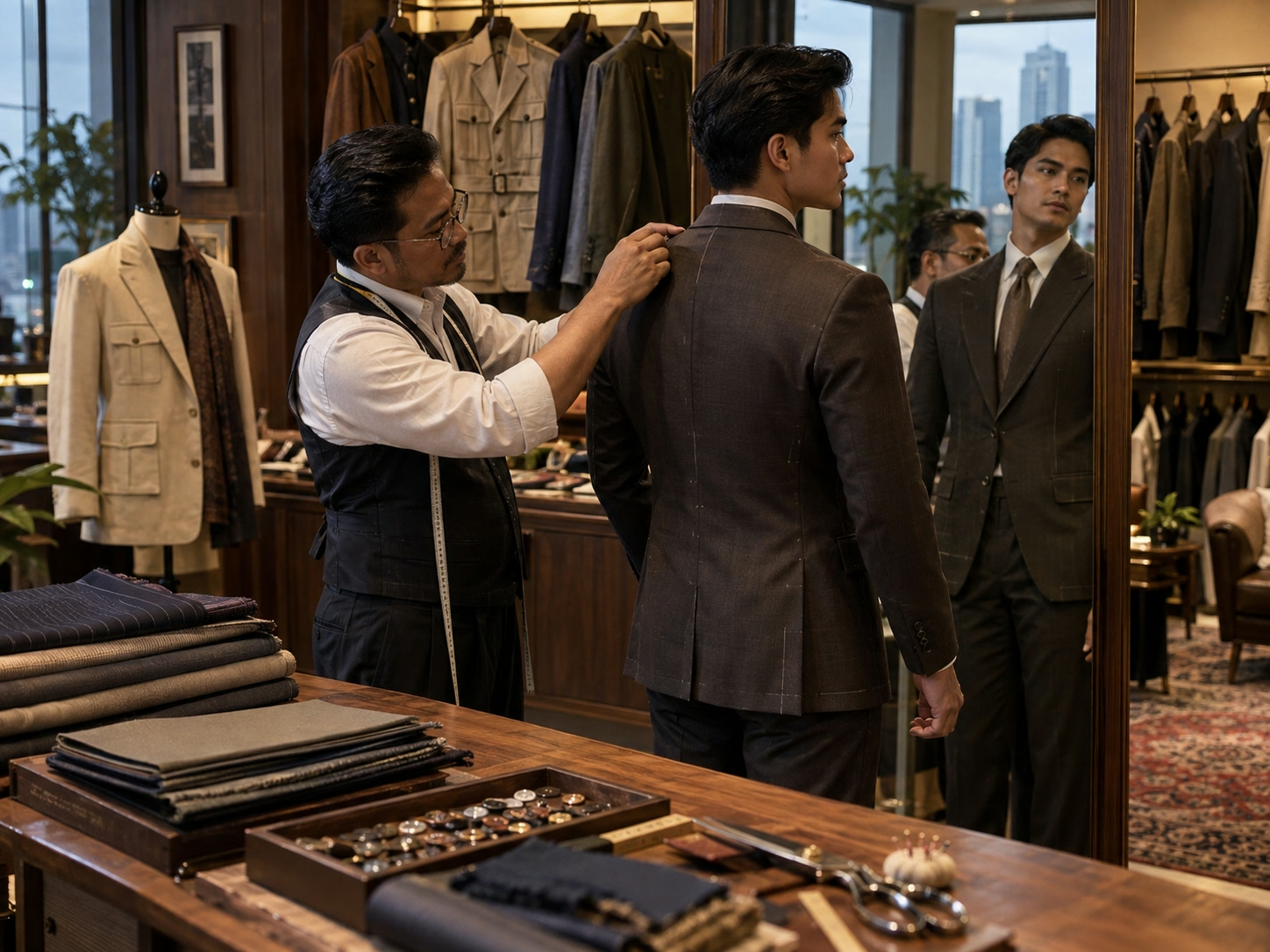
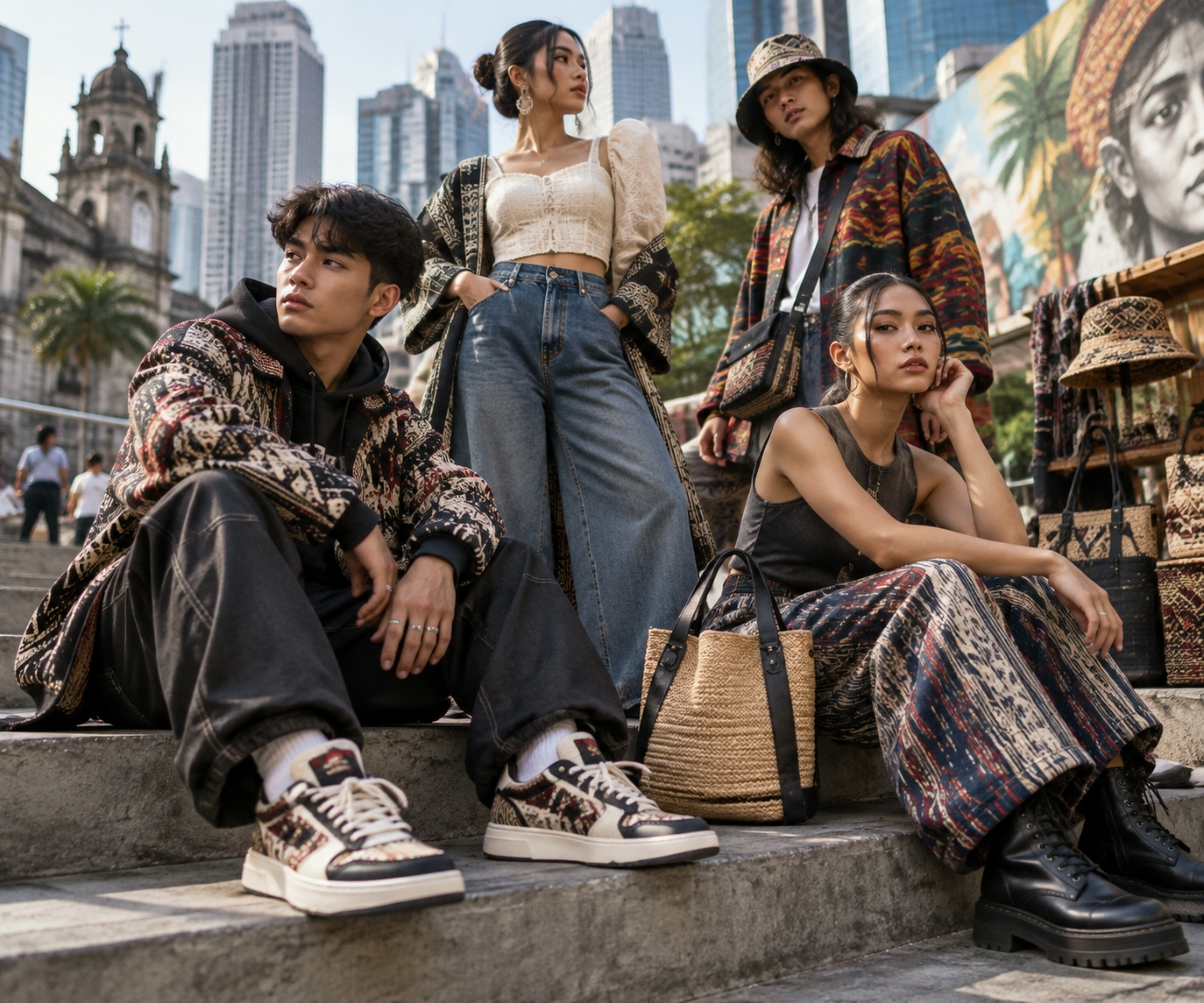
For men, business casual typically means dress pants or khakis with a polo or dress shirt. A blazer is optional but adds polish for client-facing meetings. For women, conservative blouses, dresses, or slacks are preferred, with modern Filipiniana pieces offering a culturally distinct alternative.
Footwear matters. Loafers, dressy sandals, and closed-toe shoes are appropriate, while flip-flops remain confined to beach outings and casual errands.
The Barong as a Bridge
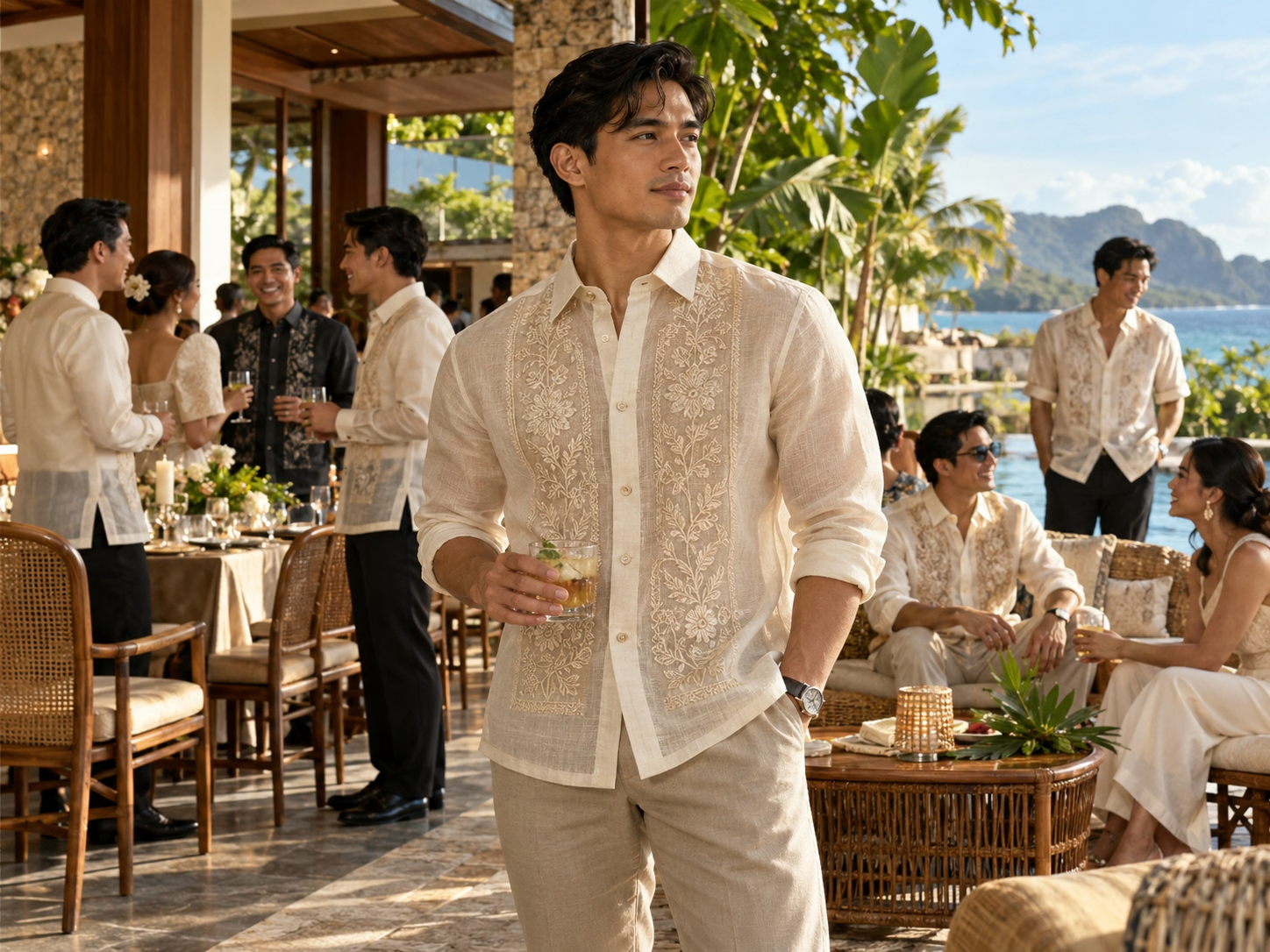
The barong tagalog occupies a unique position in this new landscape. It is formal enough for diplomatic events yet breathable enough for daily wear. As one expatriate in Manila observed, the barong is “the epitome of class” and often replaces the suit and tie in high-level government meetings.
Implications for Professionals
The quiet shift toward business casual does not mean that formal wear is obsolete. Weddings, galas, and state ceremonies still demand the barong or the terno. But in the everyday corporate and government spheres, the pressure to wear a full suit has eased. This is good news for professionals who value comfort without compromising on professionalism.