
The Overlooked Phase of the Migration Cycle
Policy frameworks addressing migrant worker health typically focus on pre-departure preparations and overseas deployment, leaving the reintegration phase comparatively under-resourced. Yet for millions of Filipino workers who return home—whether voluntarily after completing contracts, prematurely due to illness or conflict, or through repatriation—the transition period presents distinct and often acute health challenges that the Philippine healthcare system struggles to address effectively.
Health Conditions Among Returning Workers
A 2026 summit organized by the Department of Migrant Workers called attention to the varied health profiles of OFWs based on their country of deployment. Cervical and breast cancer cases are frequently observed among Filipino workers in Hong Kong, while kidney-related illnesses are more common among workers in the Middle East. HIV/AIDS cases have also been emerging among migrant workers, requiring expanded screening and treatment infrastructure.
The 4th National Symposium on Migration Health Research, convened in December 2025, revealed alarming rates of unexplained deaths among migrant workers, alongside barriers to healthcare access and the impact of extreme heat and climate change on worker health. These findings underscore the need for comprehensive post-deployment health assessments that extend beyond the limited medical examinations required for deployment.
The OFW Hospital Model
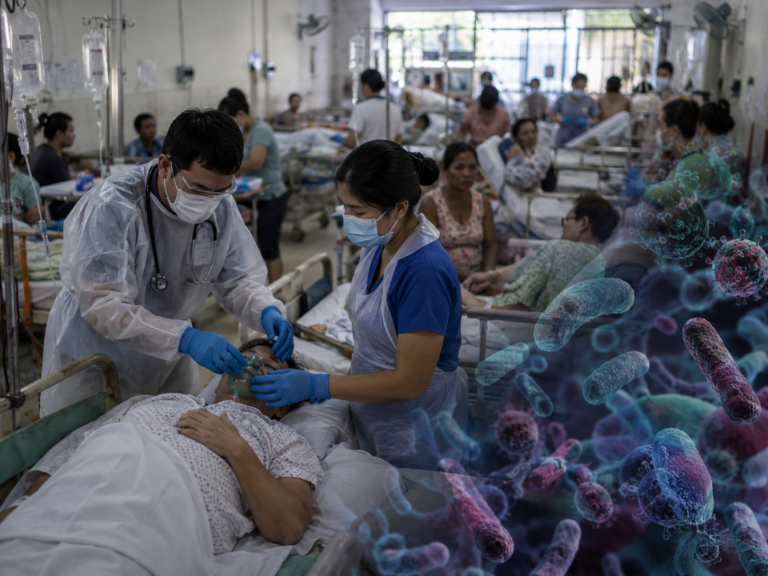
The OFW Hospital in Pampanga represents the Philippines’ most substantial investment in dedicated healthcare infrastructure for migrant workers and their families. With a budget exceeding PHP639 million and Level 2 status, the facility provides free services to approximately 80,000 patients annually.
Medical missions at the hospital have delivered free minor and selected elective major surgical procedures, including thyroidectomy, cholecystectomy, excision, varicocelectomy, and selected obstetric cases. Beneficiaries also receive general medical consultations, basic laboratory services, essential medicines, vision screening, refraction, and prescription eyeglasses.
The DMW intends to make the health summit an annual initiative while continuing to expand healthcare access through dedicated OFW wards in public hospitals under a forthcoming agreement with the Department of Health. This expansion acknowledges that a single facility cannot serve the geographic diversity of returning workers across the archipelago.
Repatriation and Emergency Response
The One Repatriation Command Center has assisted over 30,000 OFWs since its establishment. During the Middle East conflict, the DMW repatriated 10,500 Filipinos through commercial and chartered flights, while approximately 18,000 workers who remained in host countries but experienced reduced work hours received financial assistance.
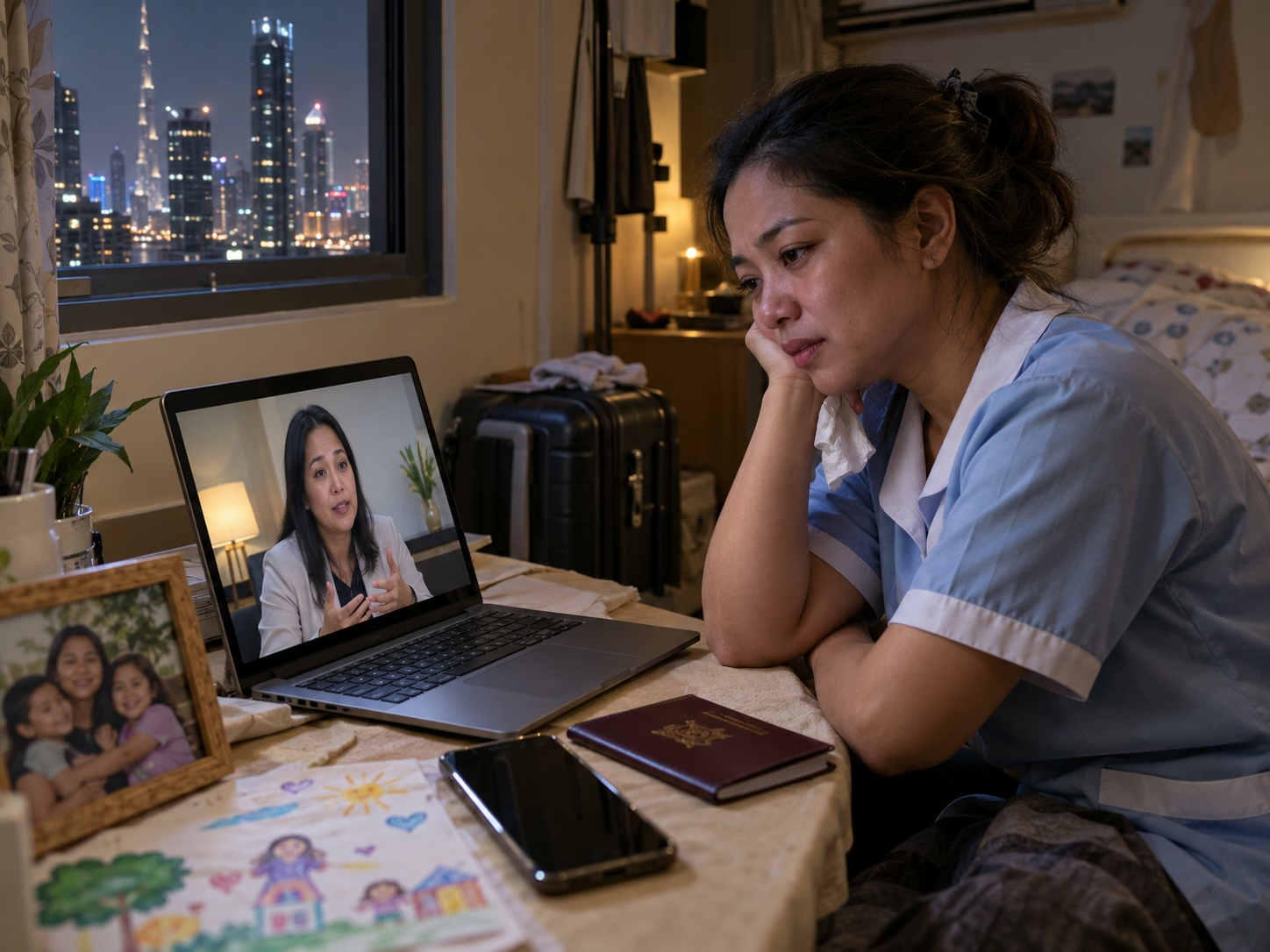
Repatriation, however, marks the beginning rather than the conclusion of health interventions. Returning workers often present with untreated chronic conditions, psychological trauma, and disrupted medication regimens. The DSWD’s provision of psychological first aid to 4,398 repatriated OFWs represents an essential first step, but continuity of care requires systematic referral pathways and follow-up mechanisms.
Legislative Developments: The Bagong Balikbayan Act
The Department of Health has expressed support for the Bagong Balikbayan Act, legislation designed to address the health and psychosocial needs of OFWs and their families. The proposed measure would institutionalize health screening and support services for returning workers, moving beyond ad hoc responses to create durable systems of care.
Reintegration Beyond Health: Employment and Skills
Health reintegration cannot be separated from economic reintegration. The DMW has signed agreements with private sector partners, including SteelAsia Manufacturing Corp., to create local jobs for returning workers from various industries. The “Sa ‘Pinas, Ikaw ang Nurse at Allied Health Professional ng Bayan” program specifically targets returning migrant nurses and medical technicians, facilitating their transition into the Philippine healthcare sector.
These employment pathways are critical because financial stability directly influences health outcomes. Workers who return to economic uncertainty may delay medical treatment, ration medications, or prioritize earning over recovery.
The Road Ahead
Migrant Workers Secretary Cacdac has articulated an aspirational vision: “What we want is for our OFWs not to return to the Philippines sick—what we want is for them to be healthy, to continue being part of what we call local and national development, and to be happily integrated into their families and communities while they are still strong”.
Achieving this vision requires sustained investment in reintegration infrastructure, expanded health screening protocols, and coordinated inter-agency service delivery. The frameworks established in 2026 provide a foundation, but their success depends on consistent implementation and adequate resourcing across the full migration cycle.