

Filipino food is celebrated around the world for its bold flavors, unique combinations, and diverse influences. The essence of Filipino cuisine, however, lies in its local ingredients, many of which are cultivated by the country’s farmers. These agricultural practices not only sustain the nation’s food culture but also reinforce the deep connection between Filipino society and its land. Farmers in the Philippines are the unsung heroes behind the country’s culinary identity, and their produce forms the foundation of countless Filipino dishes.
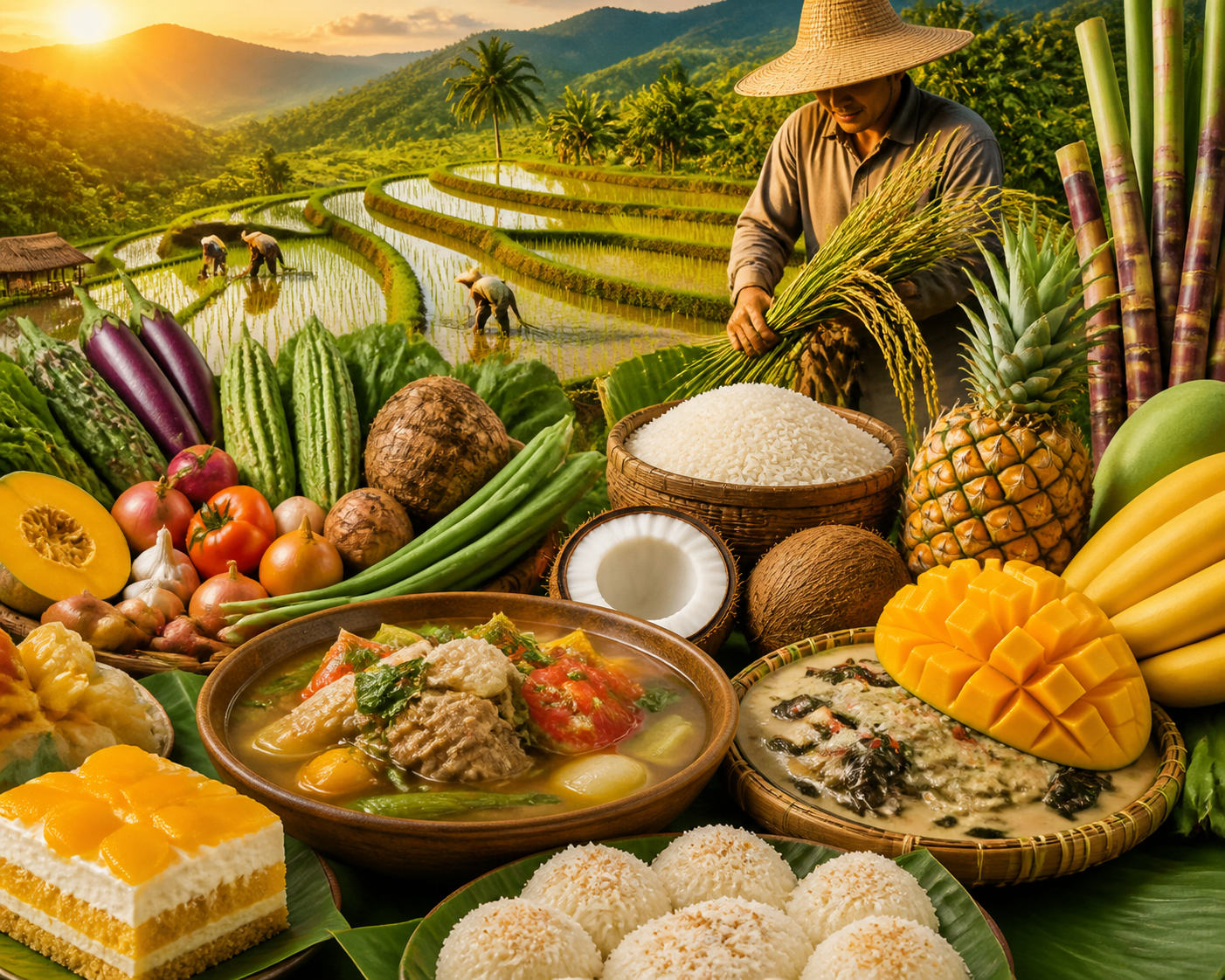
Rice is the most important agricultural product in the Philippines, with its cultivation being essential to the country’s food security. Filipino farmers have a long history of rice farming, and the rice terraces in Banaue, a UNESCO World Heritage site, are one of the best examples of the ingenuity and labor that goes into rice cultivation. The types of rice grown in the Philippines, such as “malagkit” (sticky rice) and “sinandomeng,” are used in both savory and sweet dishes. From “sinigang” to “palitaw,” rice forms the basis of many staple Filipino meals, and its production is deeply tied to the work of local farmers.
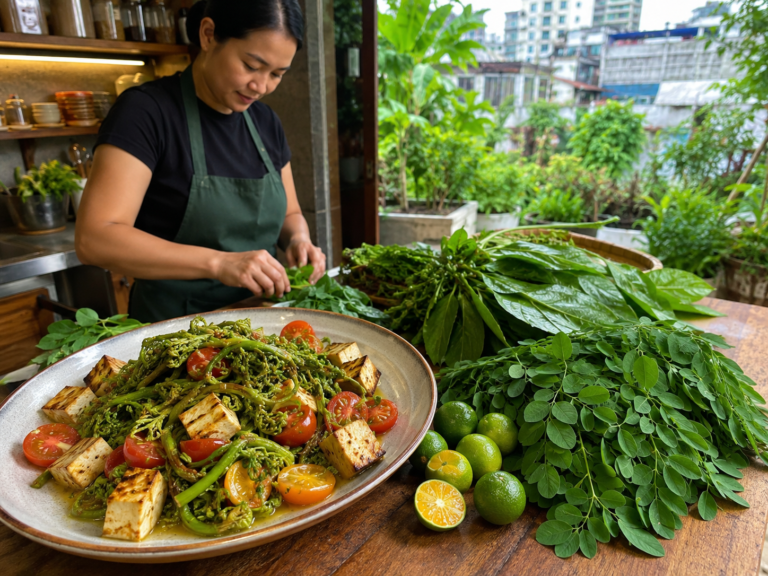
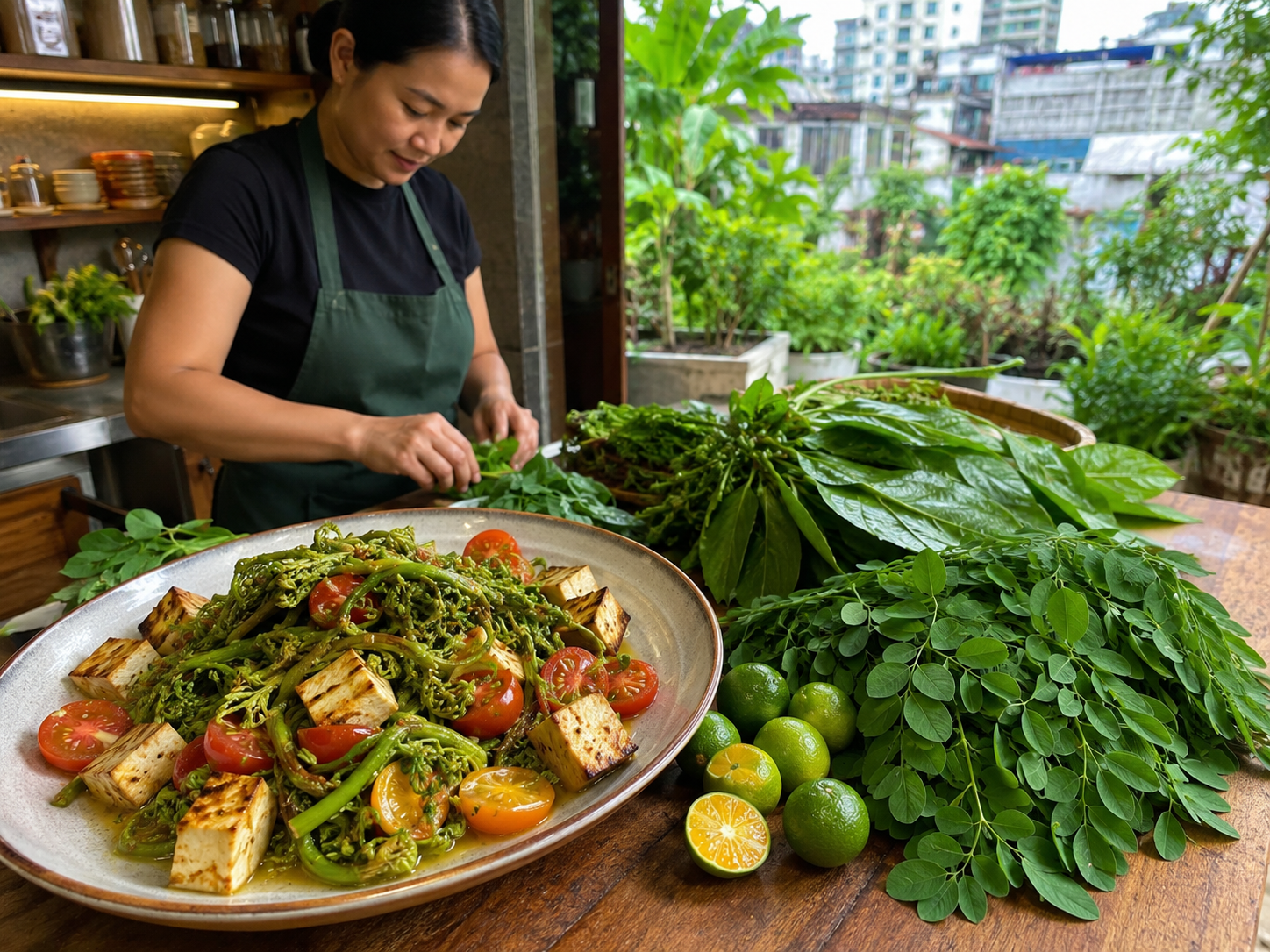
In addition to rice, vegetables make up a large portion of Filipino cuisine. The Philippines’ favorable climate allows farmers to cultivate a wide variety of vegetables, from common varieties like tomatoes, onions, and eggplant to more unique crops like bitter melon and taro. These vegetables are commonly featured in dishes like “pinakbet,” a vegetable stew, and “laing,” which uses taro leaves cooked in coconut milk. Without the tireless work of farmers, these essential ingredients would not be available to create the rich, hearty flavors of Filipino cuisine.
Tropical fruits are also a hallmark of Filipino gastronomy, with the country being home to some of the sweetest and most flavorful fruits in the world. Mangoes from the island of Guimaras are particularly famous, and they are used in dishes like “mango float” and “mango shakes.” Other fruits, such as pineapples, bananas, and papayas, are used in both savory and sweet dishes, making them integral to the Filipino culinary experience. Farmers who grow these fruits contribute to the country’s agricultural wealth and ensure that these delicious flavors remain a part of Filipino life.
Beyond fresh produce, the agricultural industry in the Philippines also plays a crucial role in the production of ingredients used for preservation and flavoring. Coconut farmers produce coconut milk, oil, and meat, which are essential in many Filipino recipes. Additionally, sugarcane farmers contribute to the production of sugar, which is used in both cooking and dessert-making. These locally sourced products ensure that Filipino cuisine remains distinct and flavorful, while also supporting sustainable farming practices.
The farm-to-table movement has gained traction in the Philippines, where more restaurants and food establishments are prioritizing locally sourced ingredients. This trend helps promote sustainability and supports local farmers, ensuring that Filipino cuisine remains rooted in its agricultural traditions. By choosing local produce, chefs and consumers contribute to the continued success and growth of the Philippine agricultural industry.
Farmers play a fundamental role in the Filipino food system, from cultivating staple crops like rice to producing the tropical fruits and vegetables that give Filipino cuisine its unique character. Their labor ensures that the rich variety of flavors and ingredients that define Filipino dishes remain available to future generations. The connection between Filipino farmers and the country’s culinary traditions is a vital aspect of the nation’s cultural heritage, and their work deserves recognition and support.