The Philippines, an archipelago made up of over 7,000 islands, is blessed with a coastline rich in marine life, making seafood a fundamental part of Filipino cuisine. The country’s vibrant culinary scene is deeply influenced by the surrounding ocean, with diverse flavors and cooking techniques that reflect the unique regions and cultures across the islands. Filipino seafood dishes offer a combination of fresh ingredients, bold flavors, and historical influences, creating a culinary experience unlike any other.
Diverse Seafood Offerings
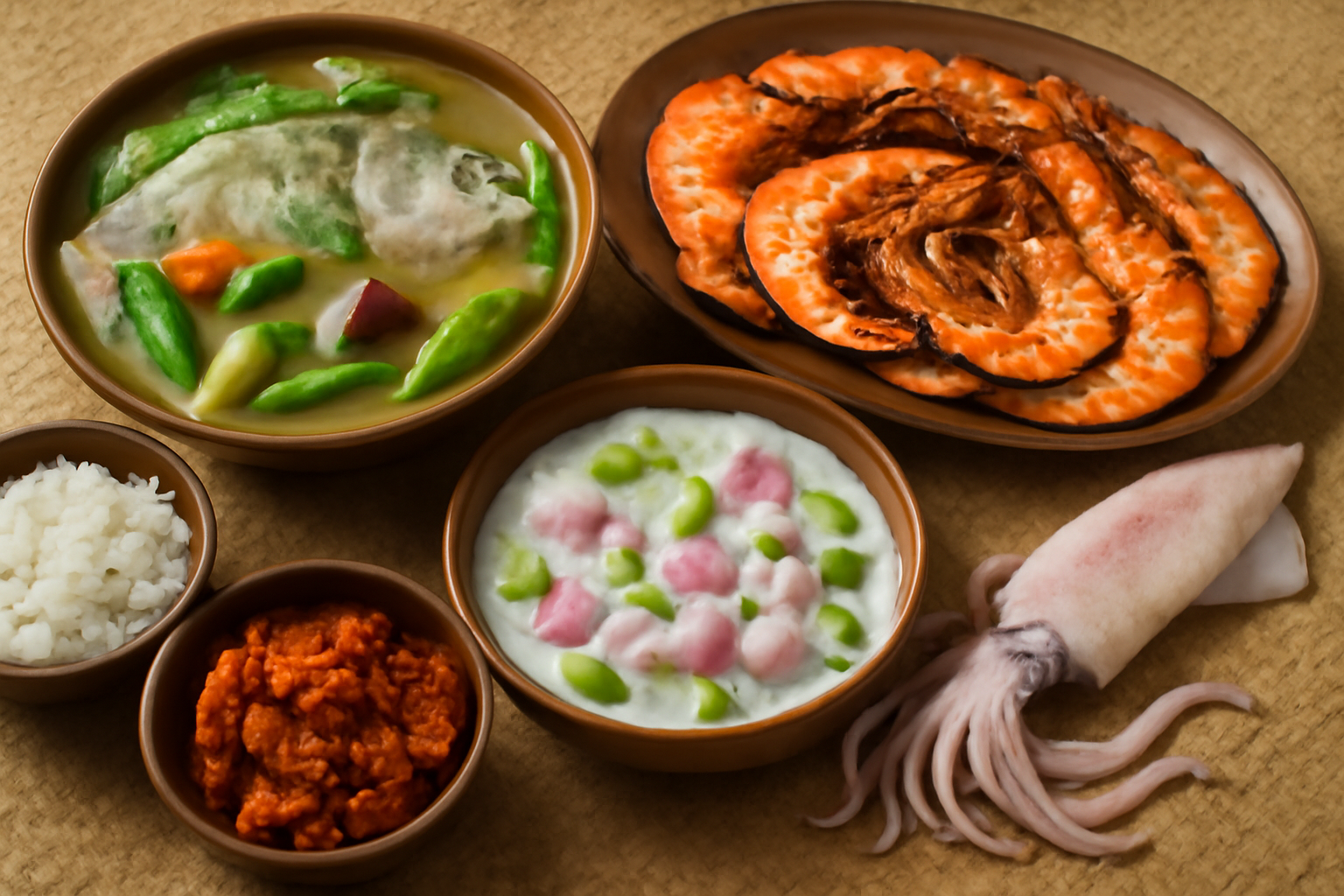
One of the most iconic Filipino seafood dishes is sinigang na hipon (shrimp in sour tamarind soup). This dish is a favorite comfort food, with its tangy and savory broth perfectly complementing the sweetness of shrimp. The balance of flavors is a hallmark of Filipino cooking, where sour, salty, and sweet ingredients are often used together in a single dish. In addition to shrimp, fish, and other shellfish, various types of vegetables, such as kangkong (water spinach) and labanos (radish), are often added to enhance the taste and texture.
Another staple of Filipino seafood cuisine is kinilaw, a raw seafood dish similar to ceviche. It typically consists of fresh fish like tuna or mackerel, marinated in vinegar, citrus, and sometimes coconut milk, with a kick of chili and other seasonings. The sharp acidity of the marinade serves to “cook” the fish, while the combination of flavors offers a refreshing and tangy taste that’s perfect for warm climates.
The Influence of Regional Cuisines
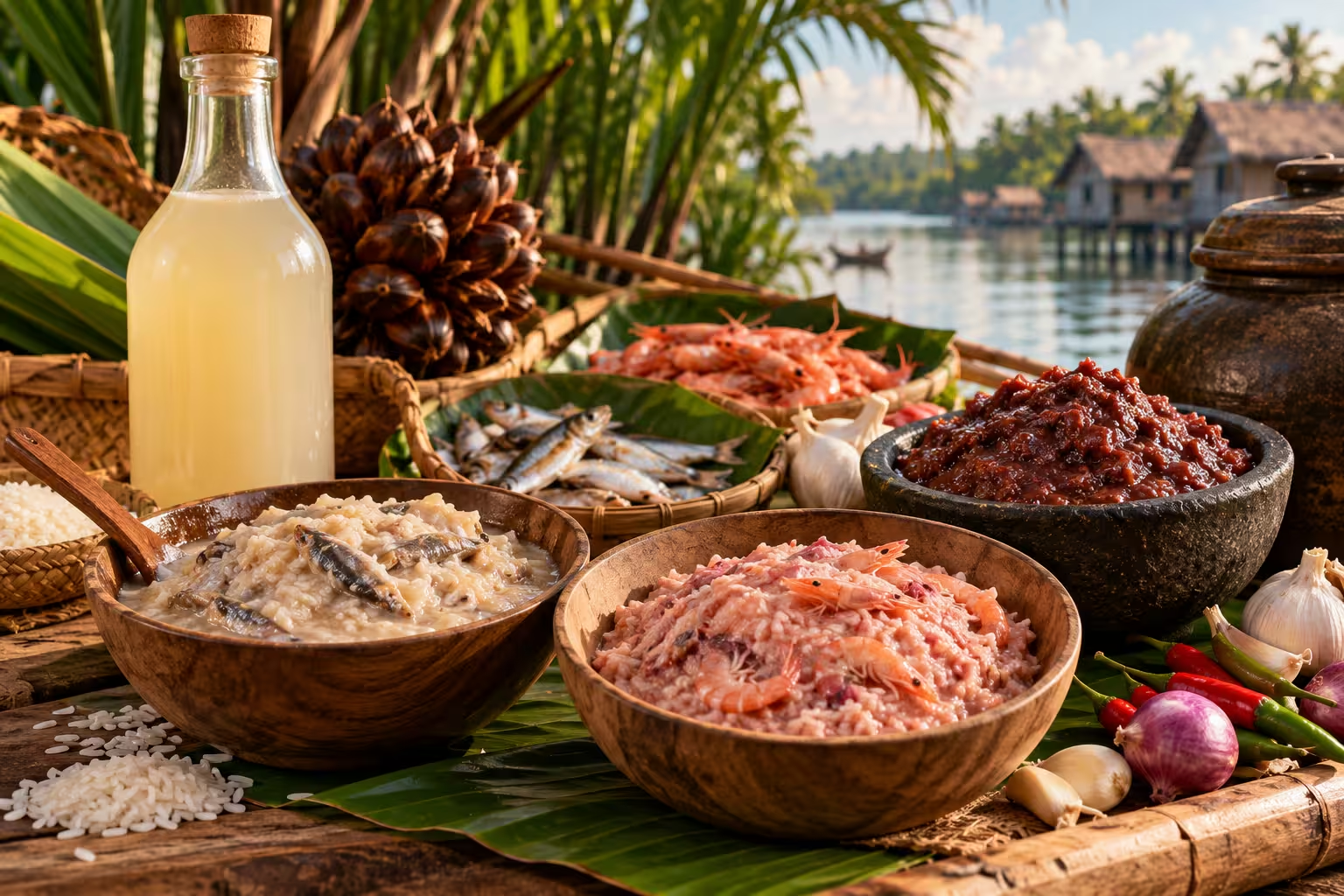
Seafood dishes in the Philippines are often specific to particular regions, reflecting local ingredients and traditions. In the Bicol region, for example, seafood is commonly cooked in coconut milk, resulting in rich and creamy dishes like laing (taro leaves and shrimp cooked in coconut milk) or bicol express (a spicy dish made with shrimp or fish, cooked in coconut milk with chili). The use of coconut milk is a defining feature of Bicolano cuisine, adding a luxurious depth of flavor to the seafood.
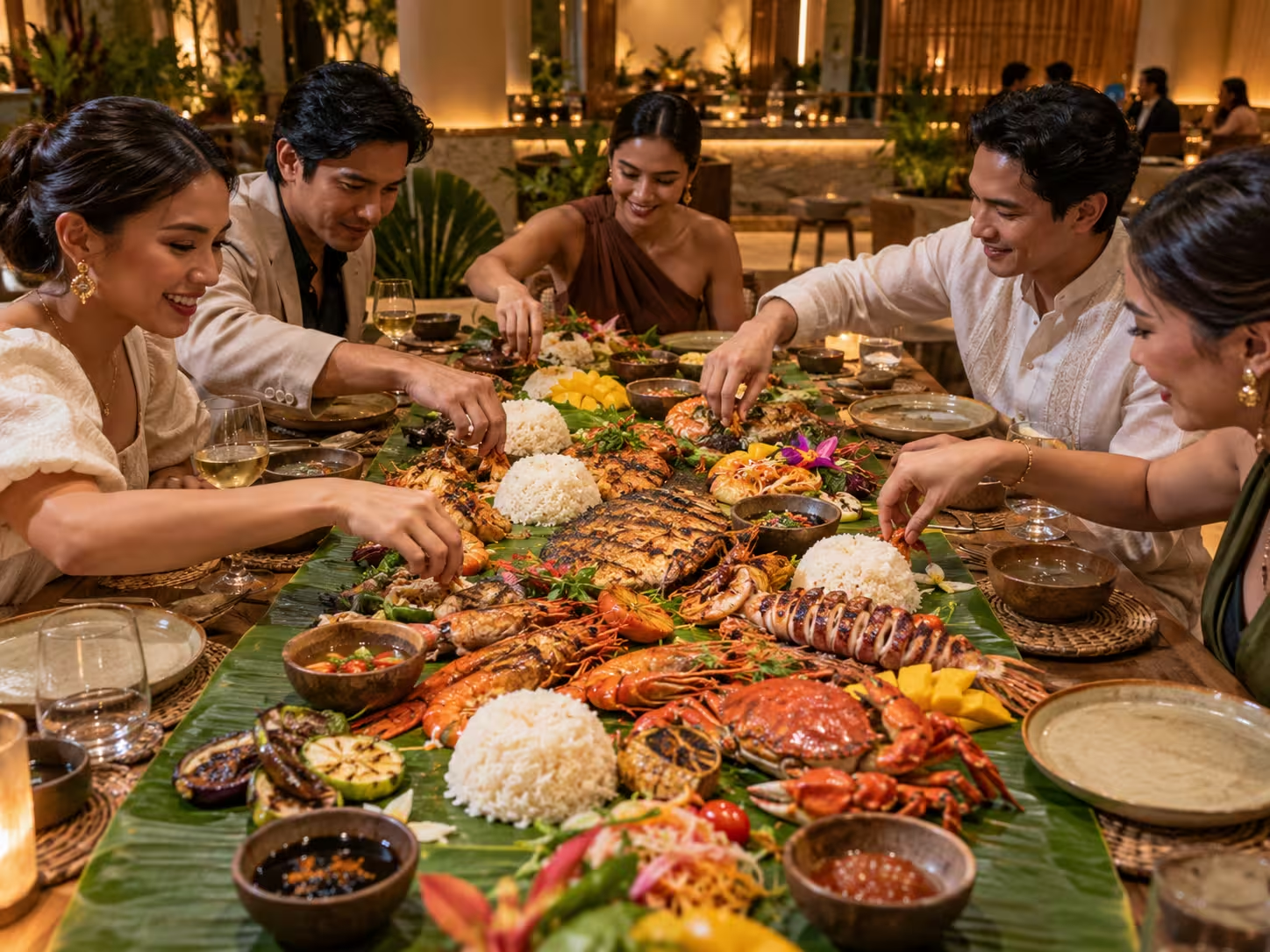
In the Visayas, sugba (grilled seafood) is a popular method of cooking. Fish, prawns, and squid are seasoned with soy sauce, calamansi (Filipino lime), and various spices, then grilled to perfection. This style of cooking allows the natural flavors of the seafood to shine through, making it a favorite at gatherings and festivals.
Sustainability and the Future of Filipino Seafood
As global demand for seafood increases, sustainability has become an important issue for the Philippines. Overfishing, habitat destruction, and pollution threaten the abundance of marine life that many Filipino communities depend on. The government and local organizations have begun to promote sustainable fishing practices, such as establishing marine protected areas and encouraging responsible consumption. There are also growing efforts to preserve traditional fishing methods, which tend to be more environmentally friendly.
Additionally, many Filipino fishermen rely on small-scale, community-based fishing, which helps maintain the balance of the local ecosystem. By focusing on sustainability, the future of Filipino seafood can remain bright, ensuring that future generations can continue to enjoy the fresh, flavorful dishes that have been a staple of Filipino cuisine for centuries.
A Celebration of Filipino Seafood
The Philippines’ coastal communities have long relied on the sea for both sustenance and economic livelihood. Filipino seafood dishes showcase the variety and abundance of the nation’s marine resources, while also highlighting the creativity and adaptability of Filipino chefs. From savory broths to tangy salads and grilled seafood, Filipino cuisine offers a diverse and unique array of seafood dishes that are sure to satisfy any palate.