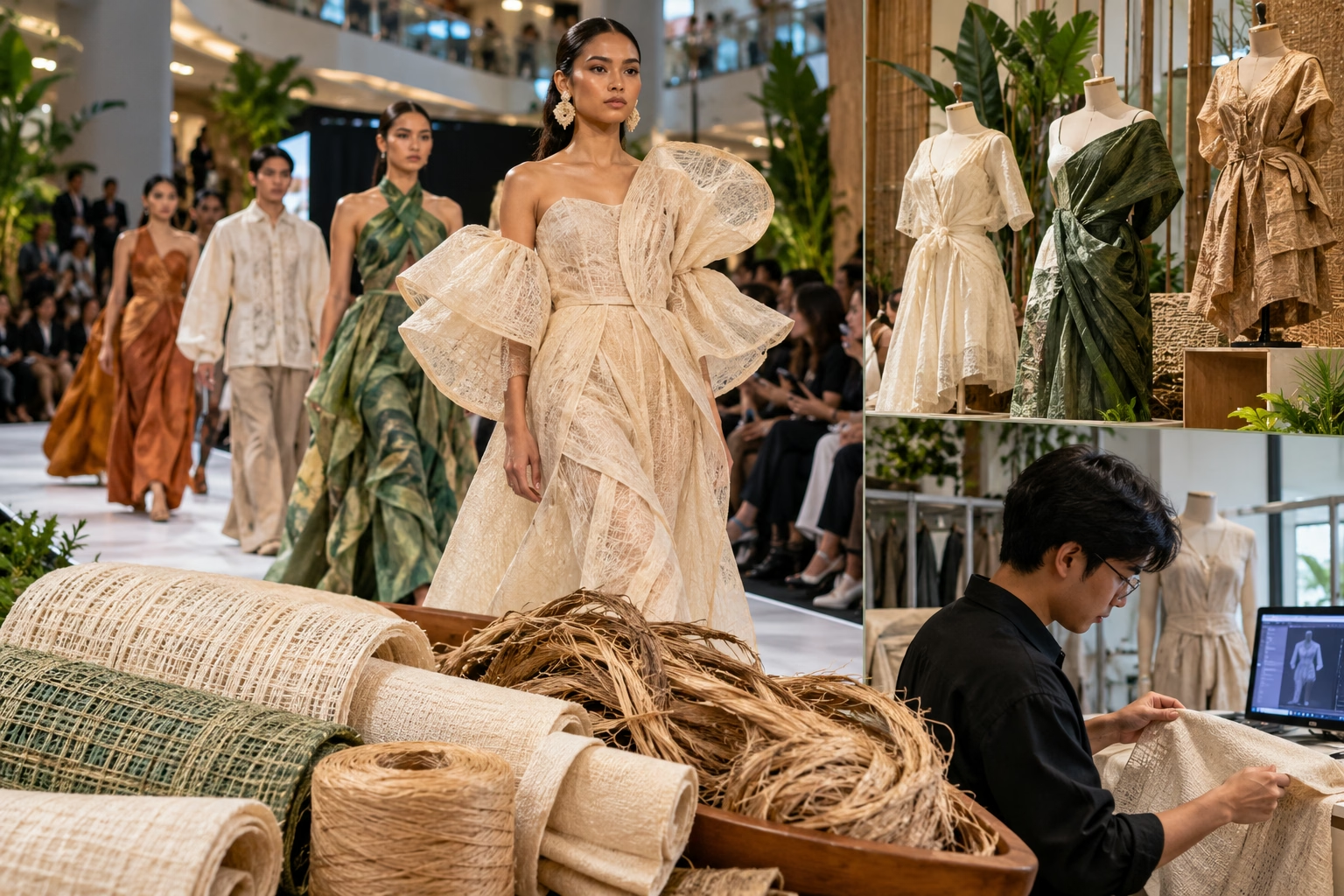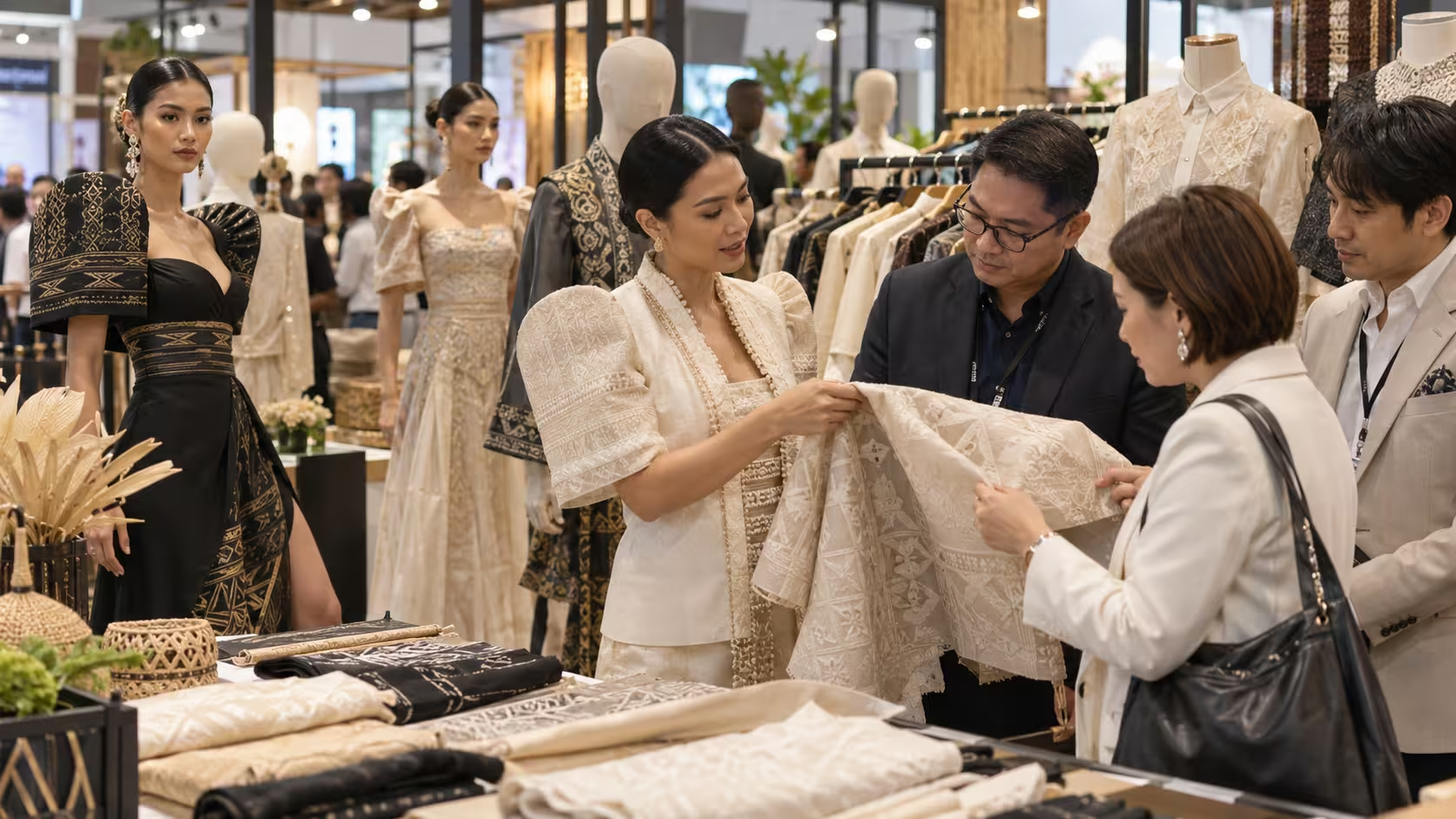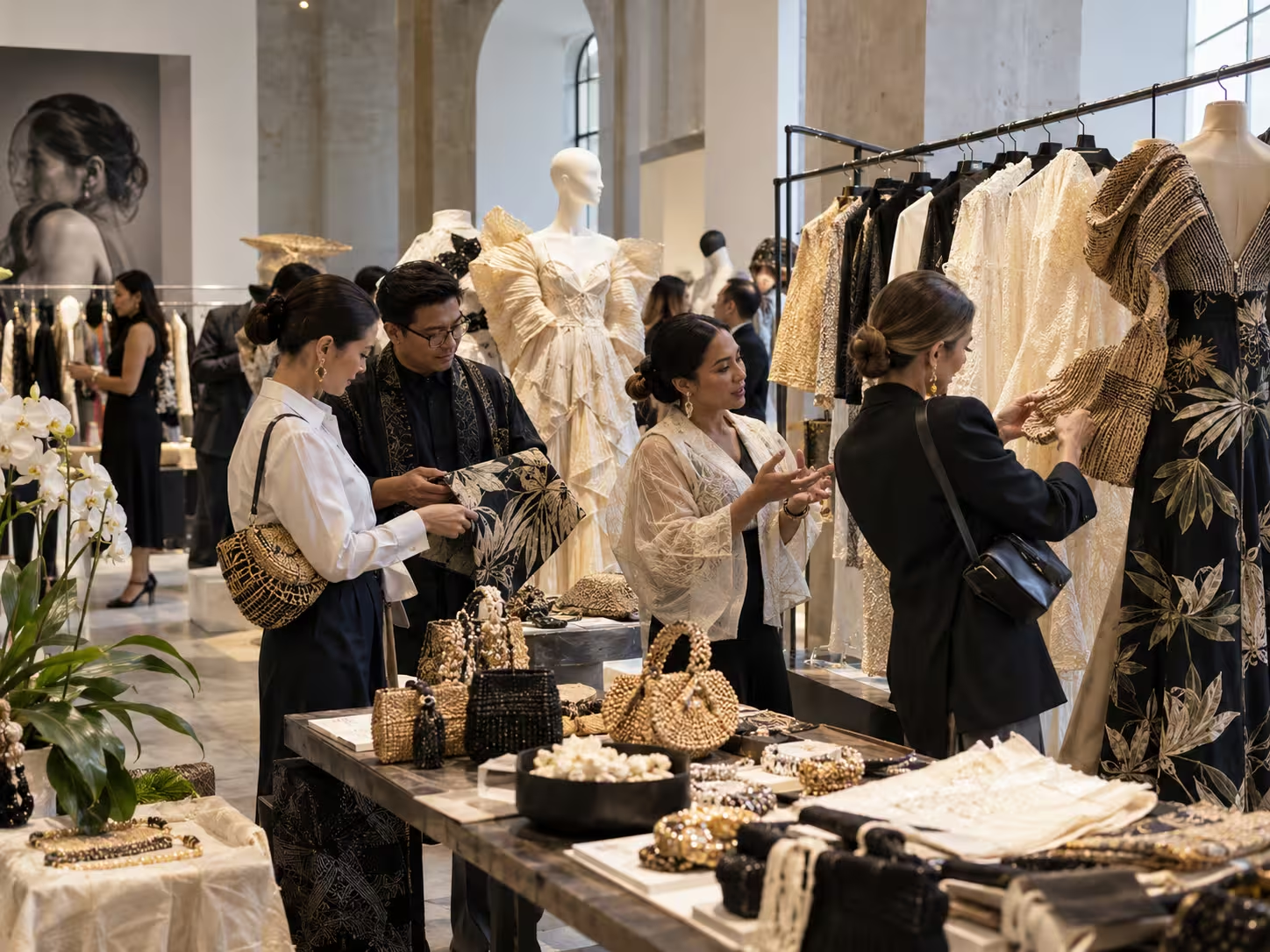

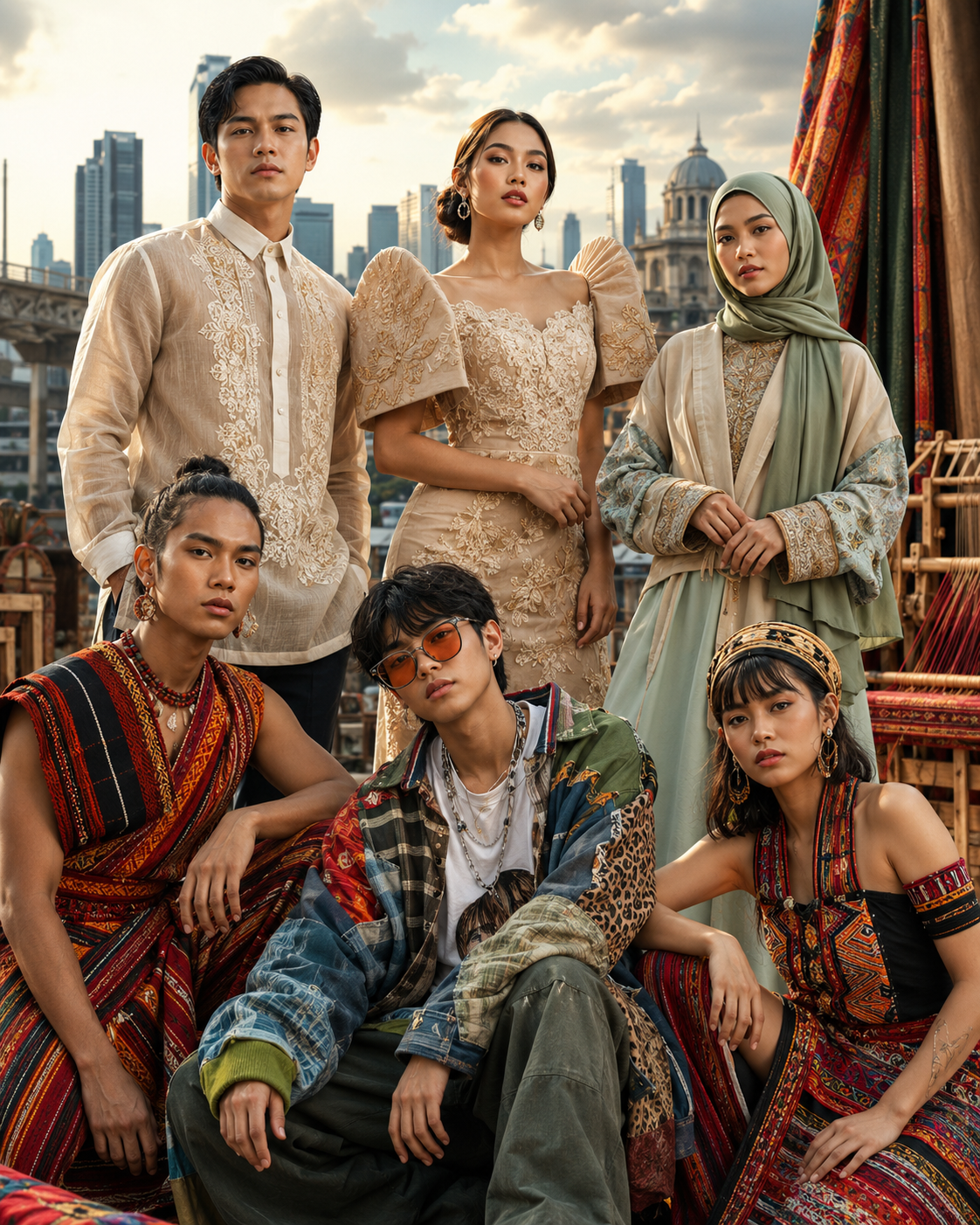
Fashion in the Philippines is deeply connected to identity. It reflects how people understand themselves and how they want to be recognized by others. Clothing can show cultural pride, economic status, regional background, religious belief, and personal taste. In a country shaped by many histories and influences, fashion becomes a powerful way to express both individuality and social belonging.
The historical development of Filipino fashion shows how identity is formed through change. Before colonization, many communities already had their own clothing styles, weaving practices, ornaments, and body decorations. These were connected to climate, social rank, ritual life, and local materials. Spanish colonization introduced new forms of dress influenced by European modesty and class systems. Later, American influence brought Western suits, dresses, school uniforms, and casual wear. Today, Filipino fashion continues to absorb global influences while maintaining local elements.
National identity is strongly represented by garments such as the barong Tagalog and terno. The barong Tagalog is often associated with formality, leadership, and Filipino pride. It is commonly worn by politicians, professionals, grooms, and graduates. Its design makes it different from the Western suit, allowing the wearer to look formal while still appearing distinctly Filipino. The terno, known for its structured butterfly sleeves, has become an iconic symbol of Filipino womanhood and elegance. It appears in cultural events, fashion shows, weddings, and national celebrations.
Fashion also communicates social class. In urban Filipino society, clothing often helps people project success and sophistication. Branded apparel, luxury bags, imported shoes, and polished office wear can suggest financial comfort and social aspiration. Malls and online shops have made fashion highly visible, turning style into part of everyday social performance. For many Filipinos, dressing neatly is a way of showing self-respect and respect for others.
At the same time, fashion is not only about wealth. Many Filipinos create style through affordability and creativity. Ukay-ukay, or thrift shopping, has become a major part of fashion culture. It allows people to find fashionable clothes at lower prices, including vintage and imported pieces. This has given rise to creative styling among students, workers, and young professionals. Ukay-ukay fashion shows that identity can be built through imagination rather than expensive consumption.
Regional identity is equally important. The Philippines has many indigenous and local textile traditions that represent specific communities. Woven fabrics from the Cordilleras, Ilocos, Panay, Mindanao, and other regions carry meanings connected to family, spirituality, labor, and ancestry. Wearing these textiles can be an act of cultural pride. It can also remind people that Filipino identity is not uniform but made up of many local identities.
Religion and gender also shape fashion choices. In Muslim Filipino communities, modest fashion expresses faith and cultural belonging. For LGBTQ+ Filipinos and younger generations, fashion can become a tool for challenging traditional expectations. Through makeup, silhouettes, colors, and styling, people express identities that may not always fit conventional norms.
Digital culture has transformed Filipino fashion even more. Social media allows trends to spread quickly and gives ordinary people a platform to display their style. Filipino influencers, designers, and small clothing brands use online spaces to promote local creativity. Young people mix streetwear, thrifted clothes, traditional fabrics, and global trends to create looks that feel personal and contemporary.
Fashion in the Philippines is therefore both social and symbolic. It connects the past with the present, the local with the global, and the individual with the community. Through clothing, Filipinos express not only what they wear, but also who they are.