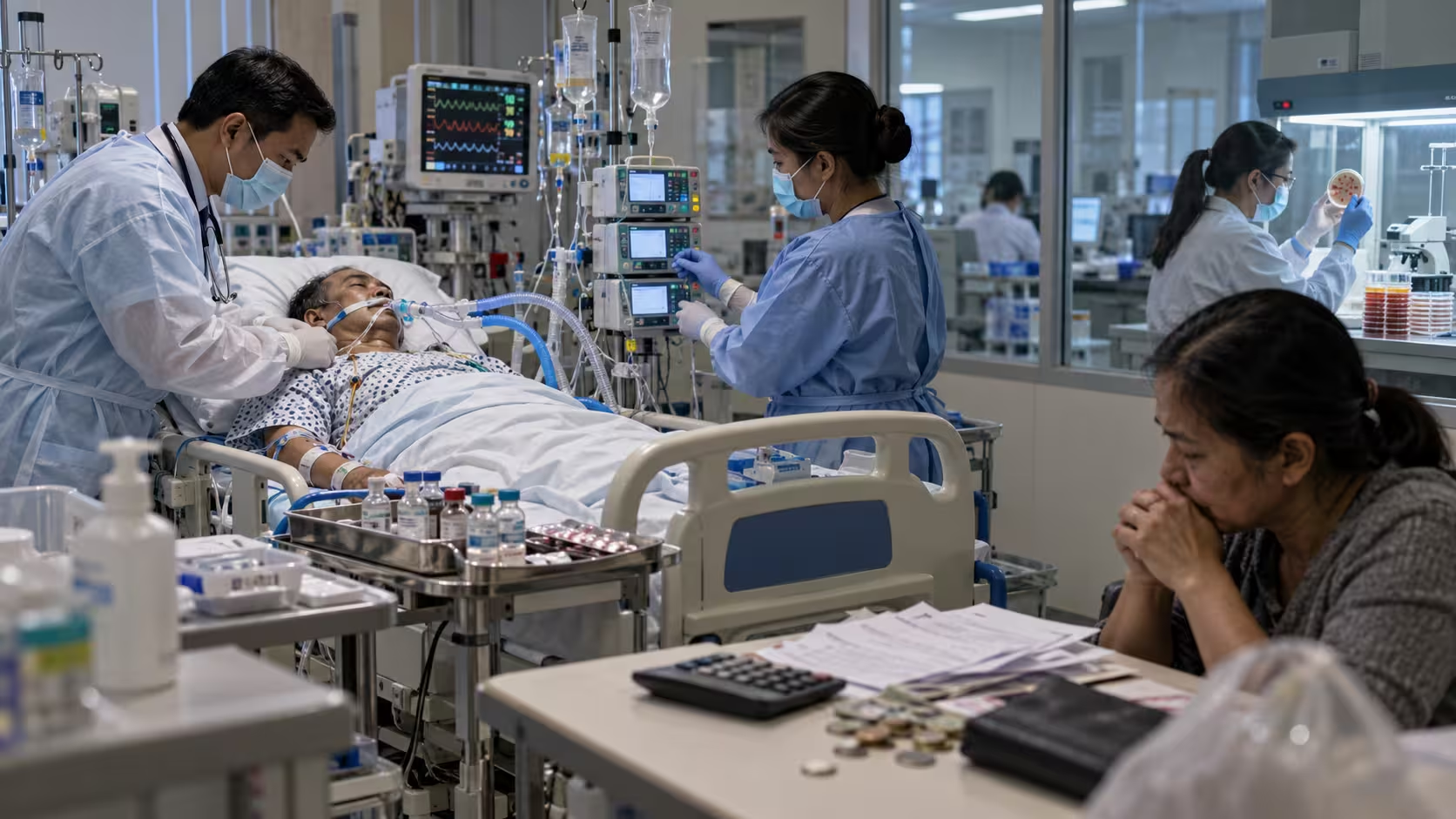

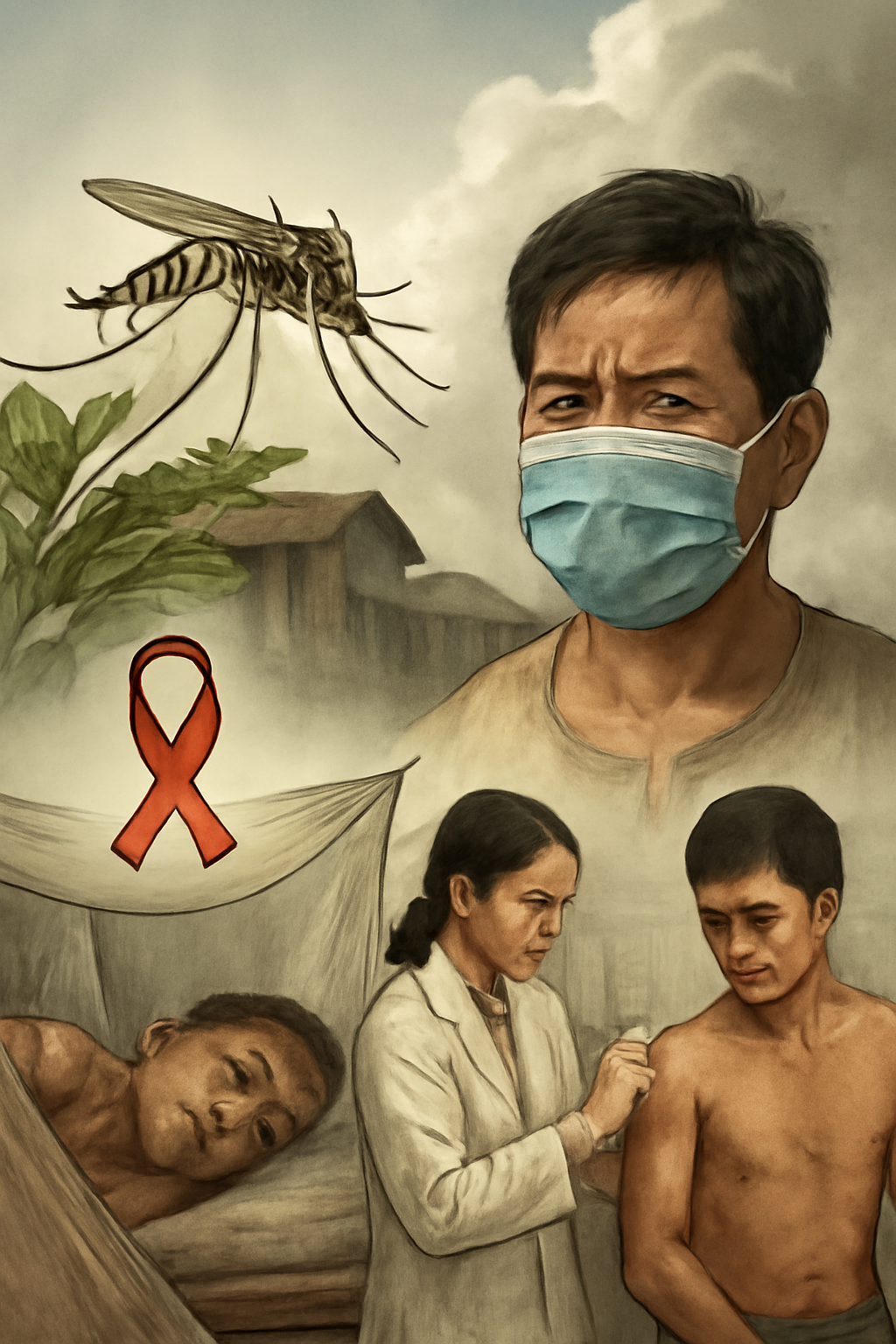
The Philippines faces numerous public health challenges, one of the most pressing being infectious diseases. While many parts of the world have made significant progress in curbing such illnesses, the archipelago continues to grapple with various preventable diseases. Despite advances in medical treatments and vaccines, certain infectious diseases remain a serious threat to the country’s population. This article will explore some of the most prevalent infectious diseases that continue to pose challenges in the Philippines today.
Dengue Fever
Dengue fever is one of the most common mosquito-borne diseases in the Philippines. The country experiences annual outbreaks, especially during the rainy season, when the mosquito population increases. Dengue is caused by the dengue virus, which is transmitted by the Aedes aegypti mosquito. Symptoms of dengue include high fever, severe headaches, joint pain, and skin rashes. In severe cases, the disease can lead to hemorrhagic fever, shock, and even death.
The Philippines has made strides in combating dengue through vector control programs, public awareness campaigns, and the development of a vaccine, Dengvaxia. However, the continued prevalence of the disease highlights the need for more effective mosquito control measures and better public education on preventive practices.
Tuberculosis (TB)
Tuberculosis remains a significant health problem in the Philippines, with the country having one of the highest TB rates in Southeast Asia. TB is a bacterial infection that primarily affects the lungs but can also impact other organs. It spreads when an infected person coughs or sneezes, releasing the bacteria into the air.
Despite government efforts to combat TB through the Directly Observed Treatment Short-course (DOTS) program, which ensures patients complete their course of medication, drug-resistant TB is on the rise. This makes the disease harder to treat and control. In 2021, the Philippines reported over 500,000 new TB cases, making it one of the top 10 countries globally for TB burden.
HIV/AIDS
The Philippines has experienced a sharp rise in HIV/AIDS cases over the past decade, earning it the distinction of having the fastest-growing HIV epidemic in Asia. The main mode of transmission is through unprotected sexual contact, but it can also be spread through sharing needles among people who inject drugs. Unfortunately, there is still a significant stigma surrounding HIV, which discourages individuals from seeking testing and treatment.
Government and non-governmental organizations have made efforts to address this issue by promoting safe sex practices, increasing access to testing, and providing antiretroviral treatment (ART) to those diagnosed with HIV. However, the epidemic continues to grow, particularly among men who have sex with men (MSM) and individuals who engage in high-risk behaviors.
Malaria
Though the Philippines has made great progress in reducing malaria cases, the disease is still present in certain regions, particularly in rural and isolated areas. Malaria is caused by a parasite transmitted to humans through the bites of infected Anopheles mosquitoes. Symptoms of malaria include fever, chills, and flu-like illness, which can be fatal if not treated promptly.
The Philippine government has launched various initiatives to reduce malaria transmission, including the distribution of insecticide-treated bed nets and indoor residual spraying. However, due to the tropical climate and the presence of vector mosquitoes, malaria remains a persistent concern.
Conclusion
Infectious diseases continue to present a significant challenge to the health and well-being of the people of the Philippines. While advancements in medicine and public health strategies have made a positive impact, diseases such as dengue, TB, HIV/AIDS, and malaria remain a significant burden. Continued efforts in prevention, education, and access to healthcare are essential to reducing the impact of these diseases and improving public health in the country.