
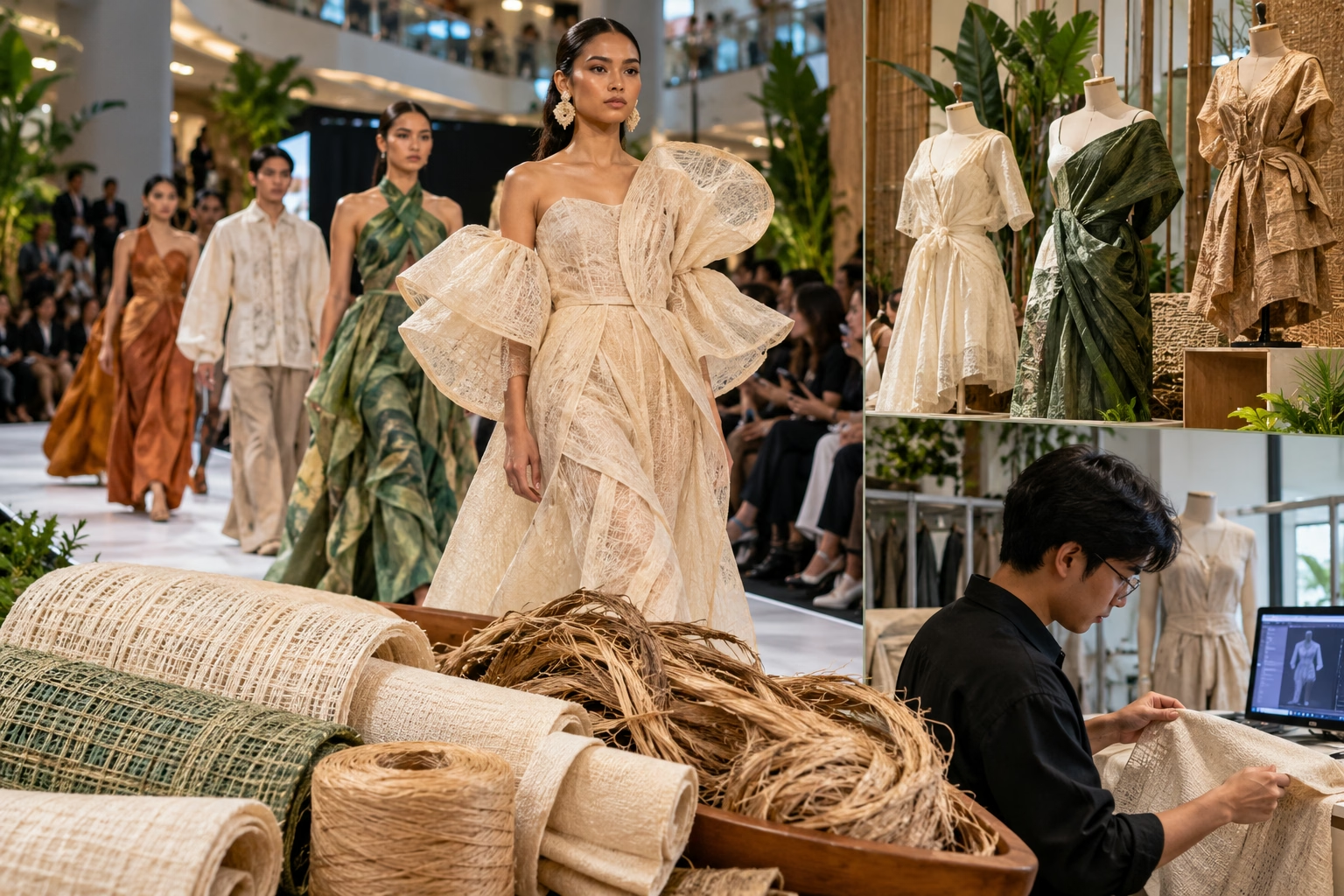
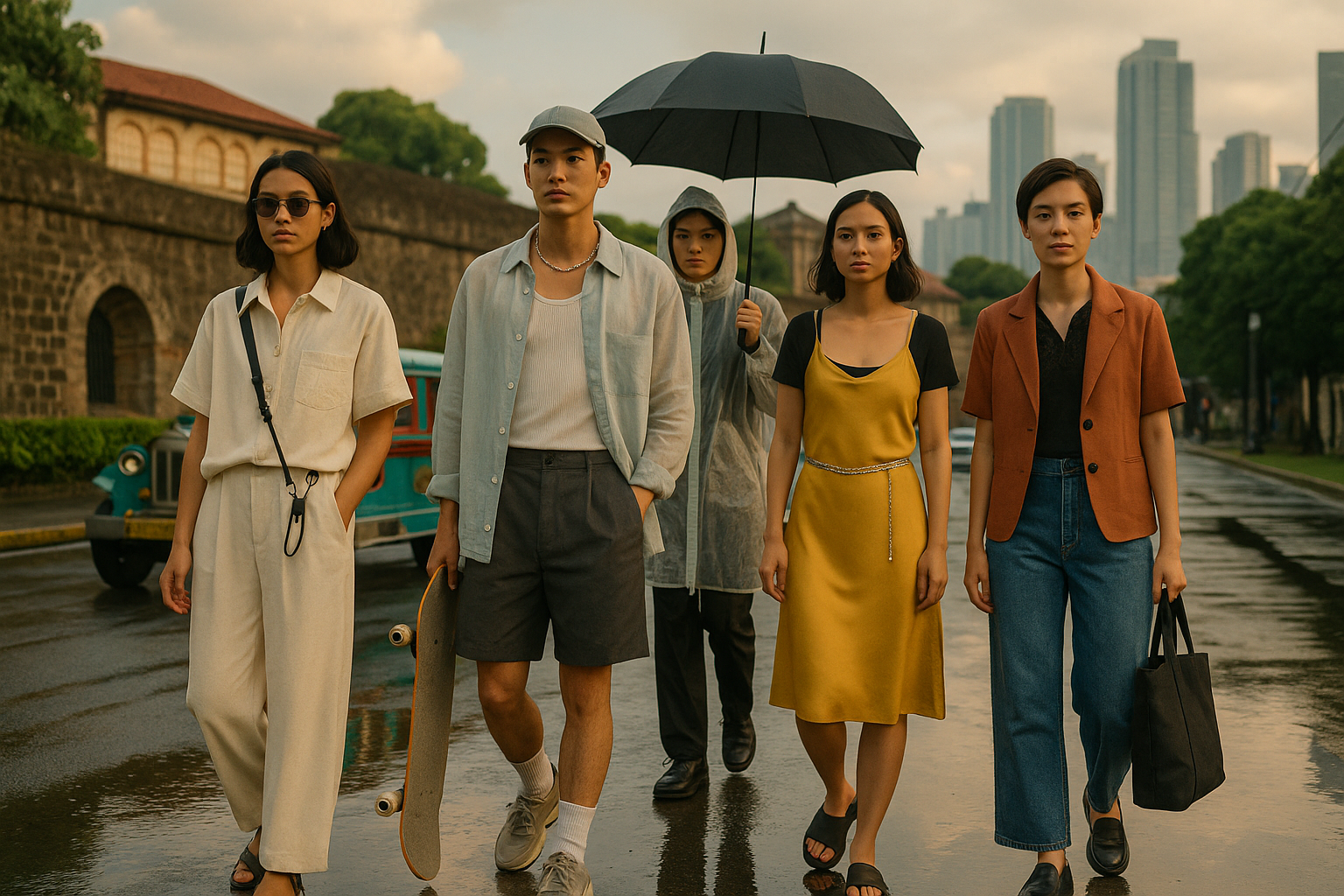
Manila’s street style reads like a living map of the city—humid days, neon nights, heritage brickwork, and glassy business districts all stitched together into daily outfits. What stands out first is how people dress for heat without sacrificing personality. Breathable fabrics dominate: cotton, linen, and airy blends in relaxed silhouettes that let air move. Boxy tees and camp-collar shirts are common, often half-tucked into loose trousers or utility shorts. Sheer overshirts nod to the Barong Tagalog’s diaphanous tradition, while mesh and organza add ventilation and a slight glow under sun or streetlights.
Color is a citywide conversation. Jeepney palettes—chrome, primaries, and decal brights—inspire vibrant accents, but locals balance them with Manila neutrals: sandstone, taupe, khaki, and wet-asphalt gray. Graphic tees pull from local slang and neighborhoods; look closely and you’ll see prints referencing route signs, sari-sari stores, and vintage cinema typography. Footwear splits between practicality and flair: rubber-soled sneakers for traction on slick pavements, cushioned slides for midday errands, and chunky trainers that carry athleisure from Bonifacio Global City’s sidewalks to mall corridors.
Thrifting is both budget-smart and culture-forward. “Ukay-ukay” stalls from Cubao to Bambang offer global surplus garments, which get recontextualized through tailoring, patching, and DIY printing. This remix culture breeds individuality: a reworked blazer becomes a sleeveless vest for tropical layering; distressed denim is cropped just above the ankle to air calves and spotlight socks. Small studios and home tailors are integral; having something adjusted to your frame is common, which keeps pieces in circulation longer and fits better than off-the-rack imports.
Function is style here. Commuters carry crossbody bags with multiple zips, rain-ready nylon shells, and foldable umbrellas that double as sun shields. During monsoon months, translucent ponchos and packable windbreakers appear over bright bases, showing the outfit beneath while shedding rain. Reflective trims and safety-orange accents hint at Manila’s roadwork and transport corridors—urban utility translated into fashion detail.
Neighborhoods shape micro-scenes. Poblacion leans experimental—unexpected layering, ironic logos, and nightlife-ready metallics. Escolta’s revival nurtures vintage looks: pleated trousers, camp shirts, loafers, and deadstock accessories. In BGC, polished athleisure rules: performance fabrics, sleek monochromes, and subtle designer signals matched with gym-to-office practicality. University belts mix skate silhouettes with preppy notes—beanies, beat-up high-tops, and thrifted cardigans slung over shoulders.
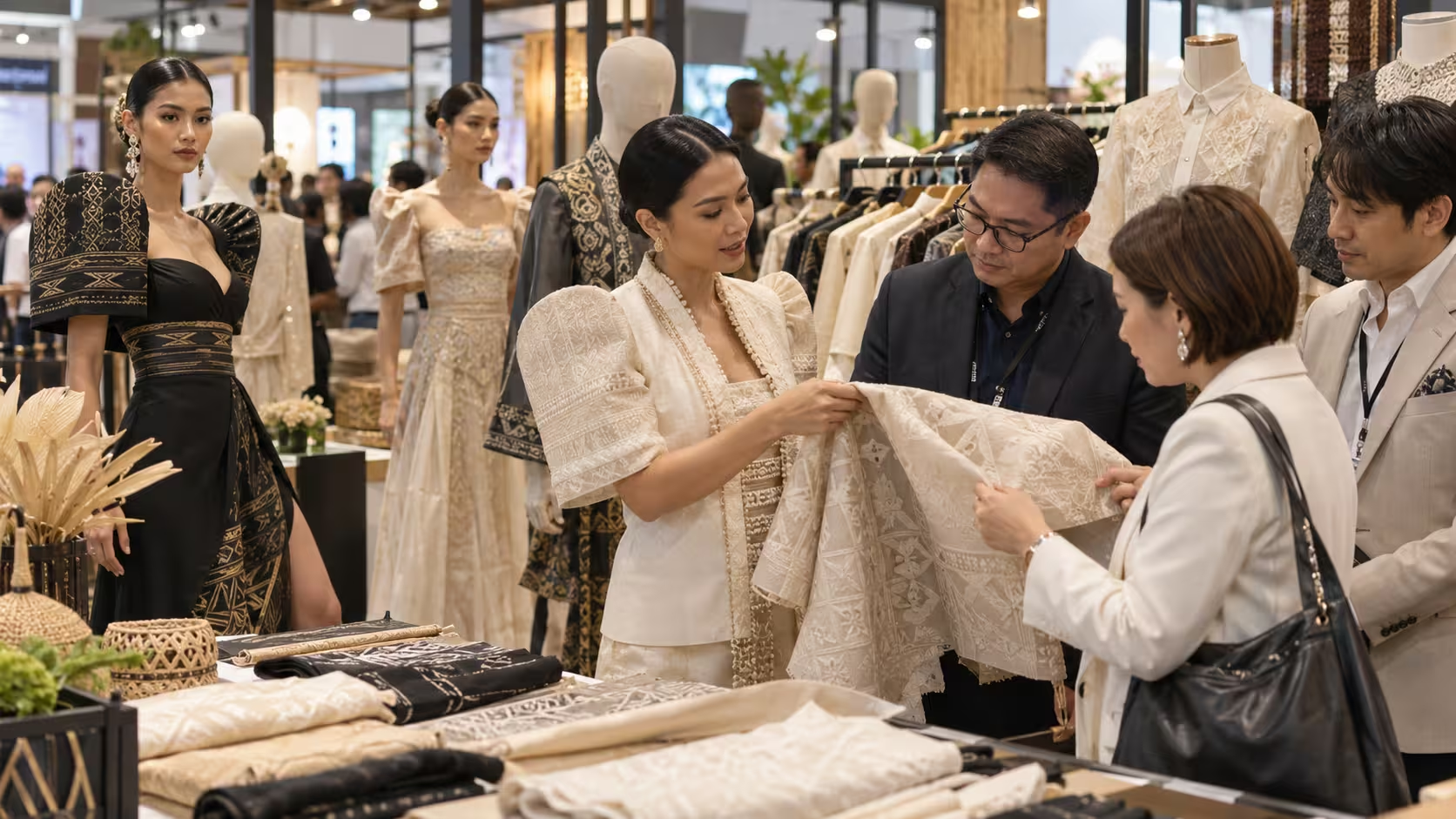
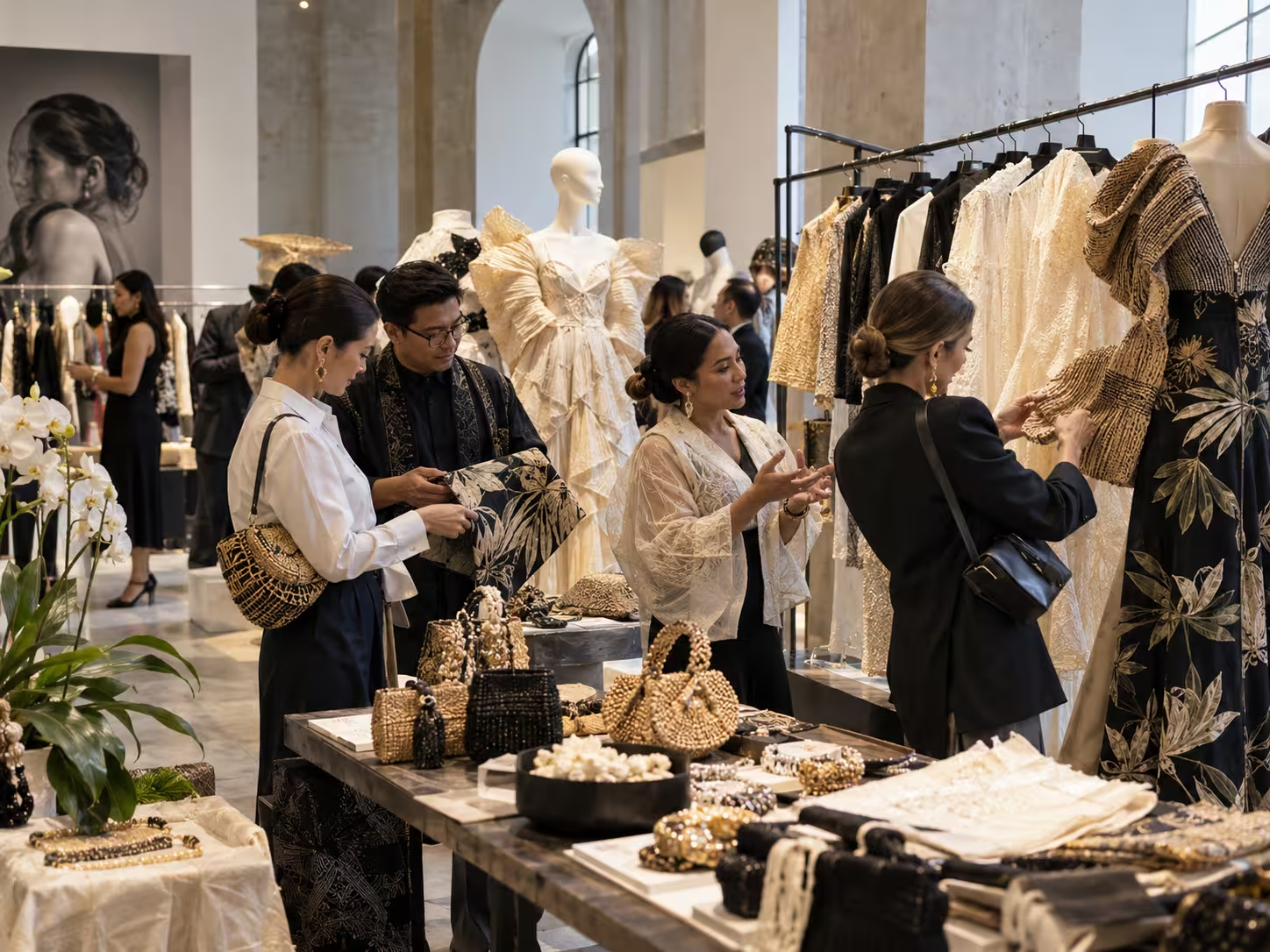
Cultural references matter. The Barong’s embroidery shows up as tonal stitching on modern shirts; piña-like textures are replicated in synthetic sheers; and the terno’s dramatic shoulder sometimes reappears as structured sleeves on street dresses. Gender expression is fluid, with men wearing pearls and women in oversized tailoring. The scene is highly social-media literate, but offline codes—respect for elders, weather sense, and commute realities—ground it. Manila’s street style isn’t a trend collage; it’s a practical, poetic response to a tropical megacity, dressed to move.