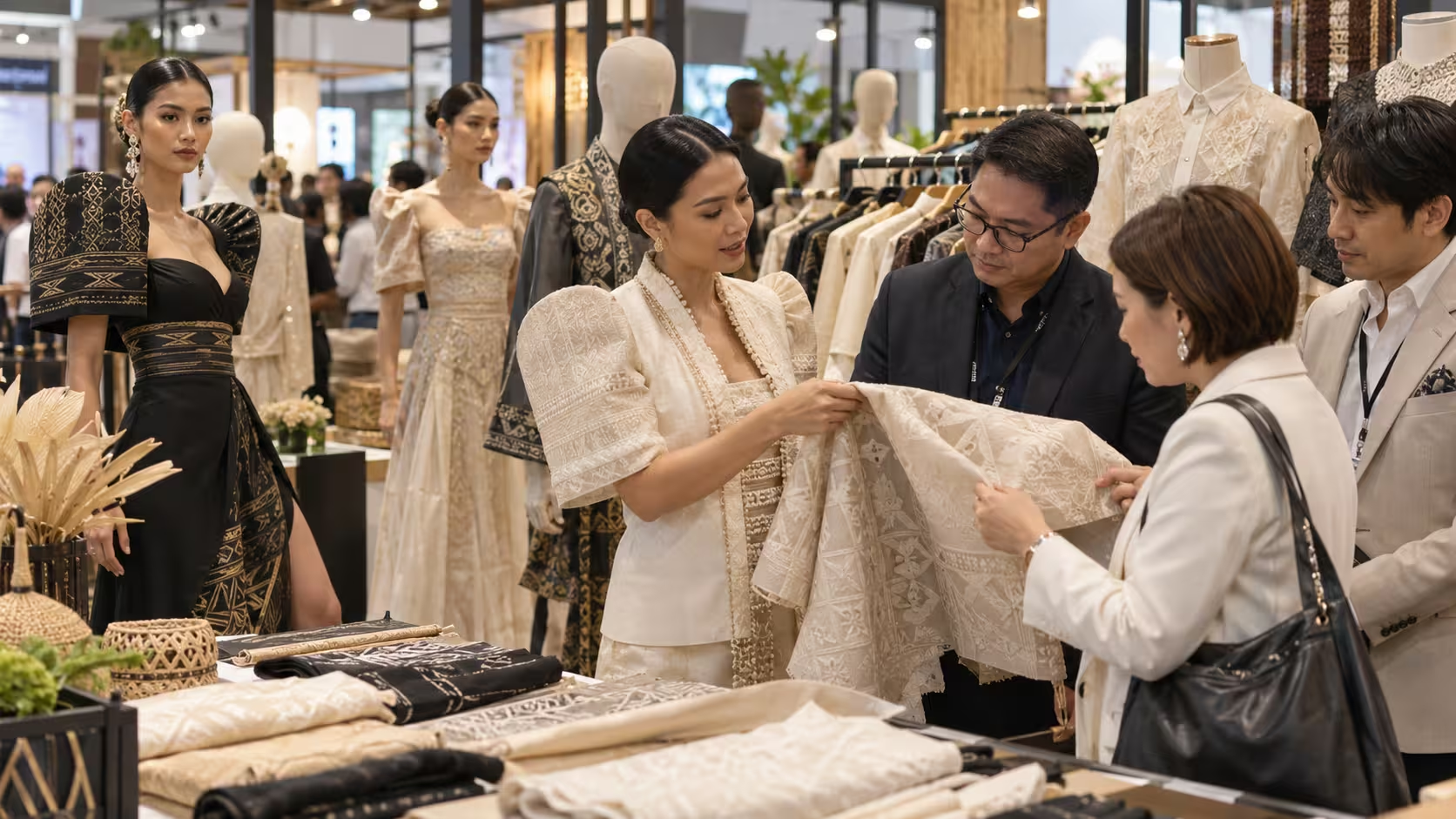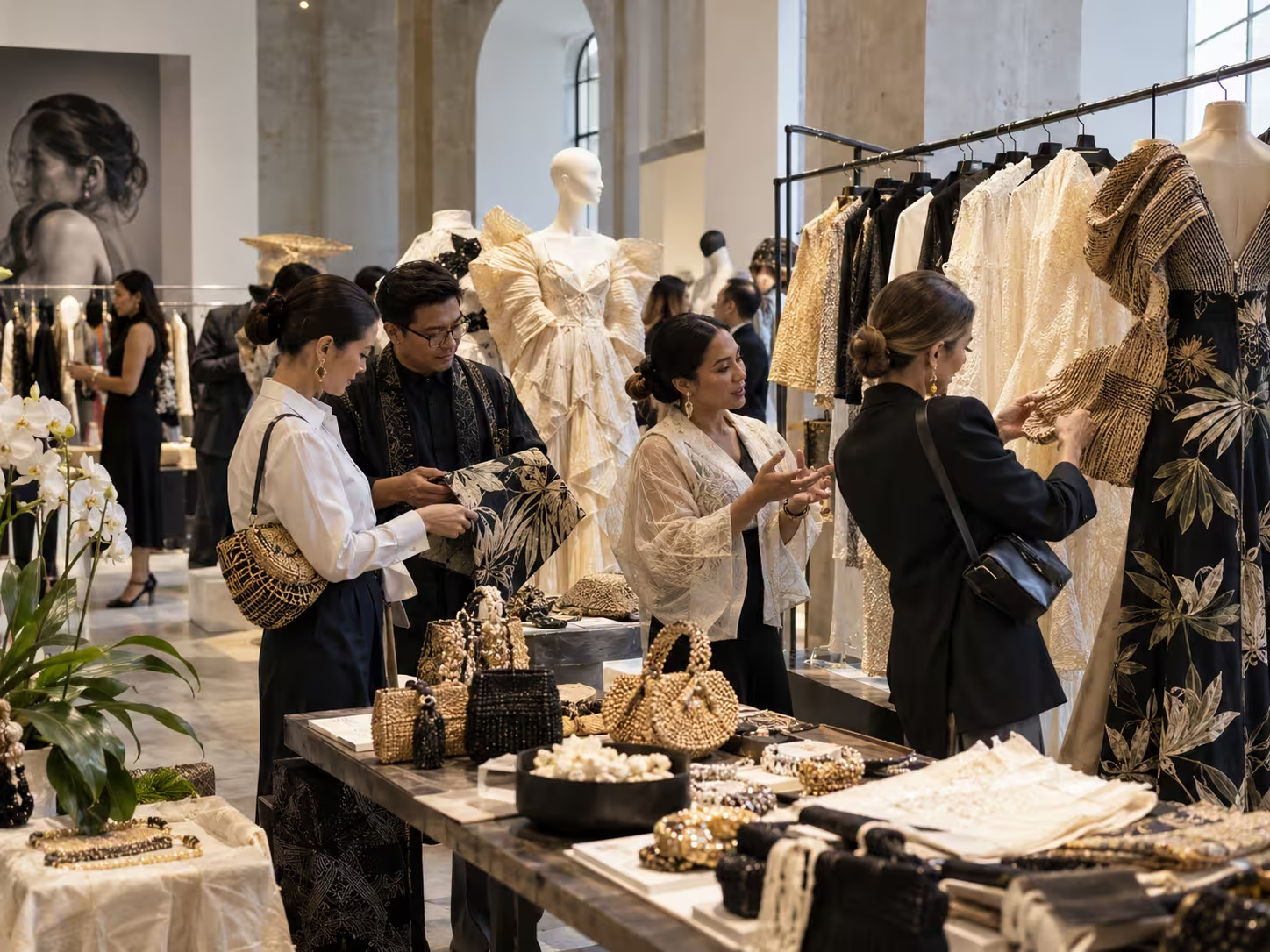
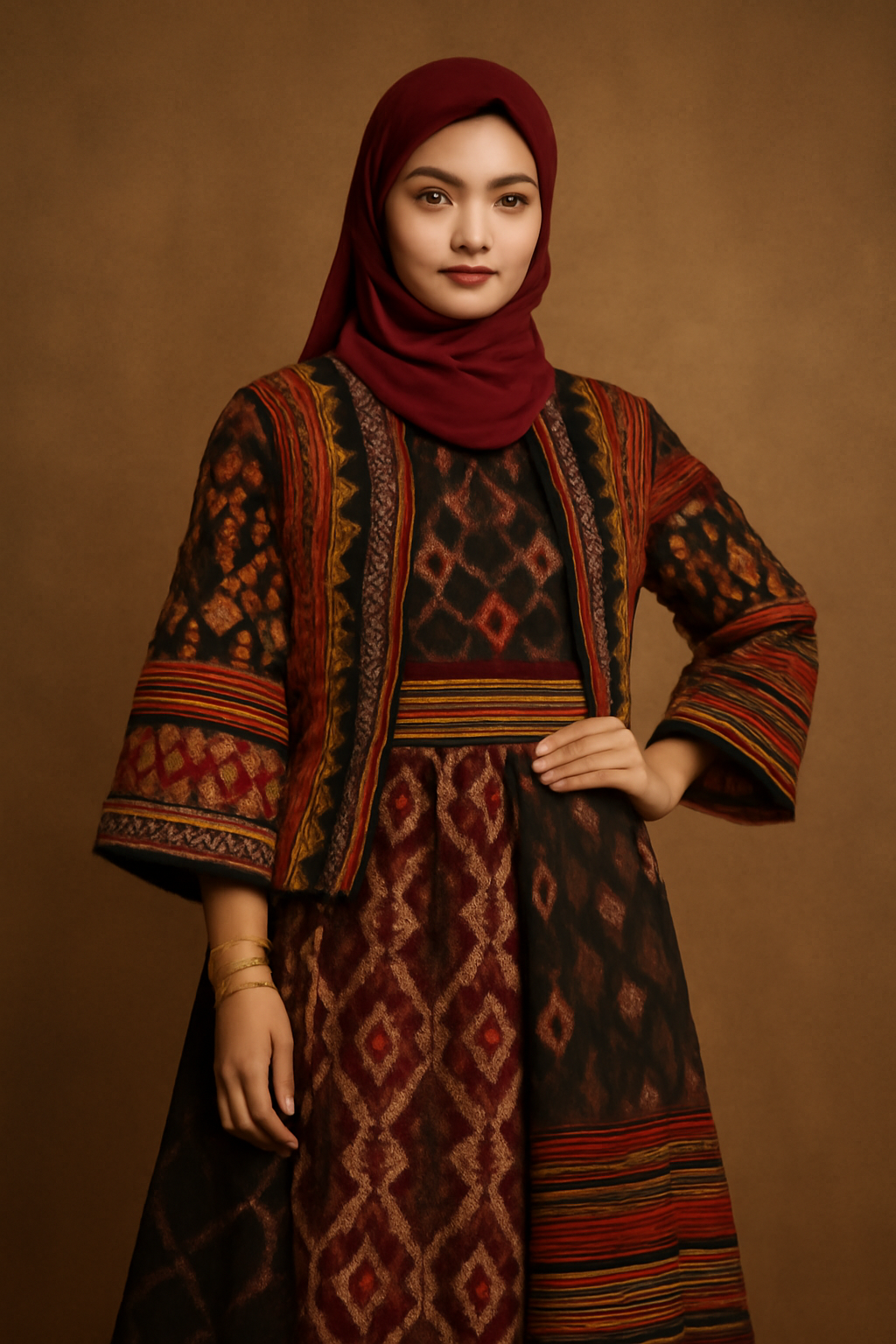
Mindanao, a culturally diverse island in the southern Philippines, is home to a wealth of indigenous traditions and vibrant fashion styles. The island is known for its intricate textiles, handwoven fabrics, and unique garment designs, all of which reflect the diverse cultural heritage of its people. Over time, the fashion scene in Mindanao has evolved, blending traditional styles with contemporary fashion trends, creating a dynamic and increasingly recognized fashion landscape.
The traditional clothing of Mindanao is heavily influenced by its indigenous tribes, including the Tausug, Maranao, and T’boli peoples. These tribes have been creating beautiful handwoven fabrics for generations, each piece often symbolizing the community’s history, beliefs, and connection to the natural world. One of the most iconic textiles from Mindanao is the T’nalak, a fabric woven by the T’boli people from abaca fibers. This sacred cloth, which is often used in ceremonial attire, features intricate geometric patterns and vibrant colors that represent the dreams and visions of the weavers.
In recent years, there has been a growing movement in Mindanao to incorporate these traditional fabrics into contemporary fashion. Designers in the region are reinterpreting these age-old textiles, using them to create modern clothing items such as dresses, skirts, and jackets. This fusion of traditional techniques and modern styles has given rise to a unique fashion identity that celebrates both the past and the present.
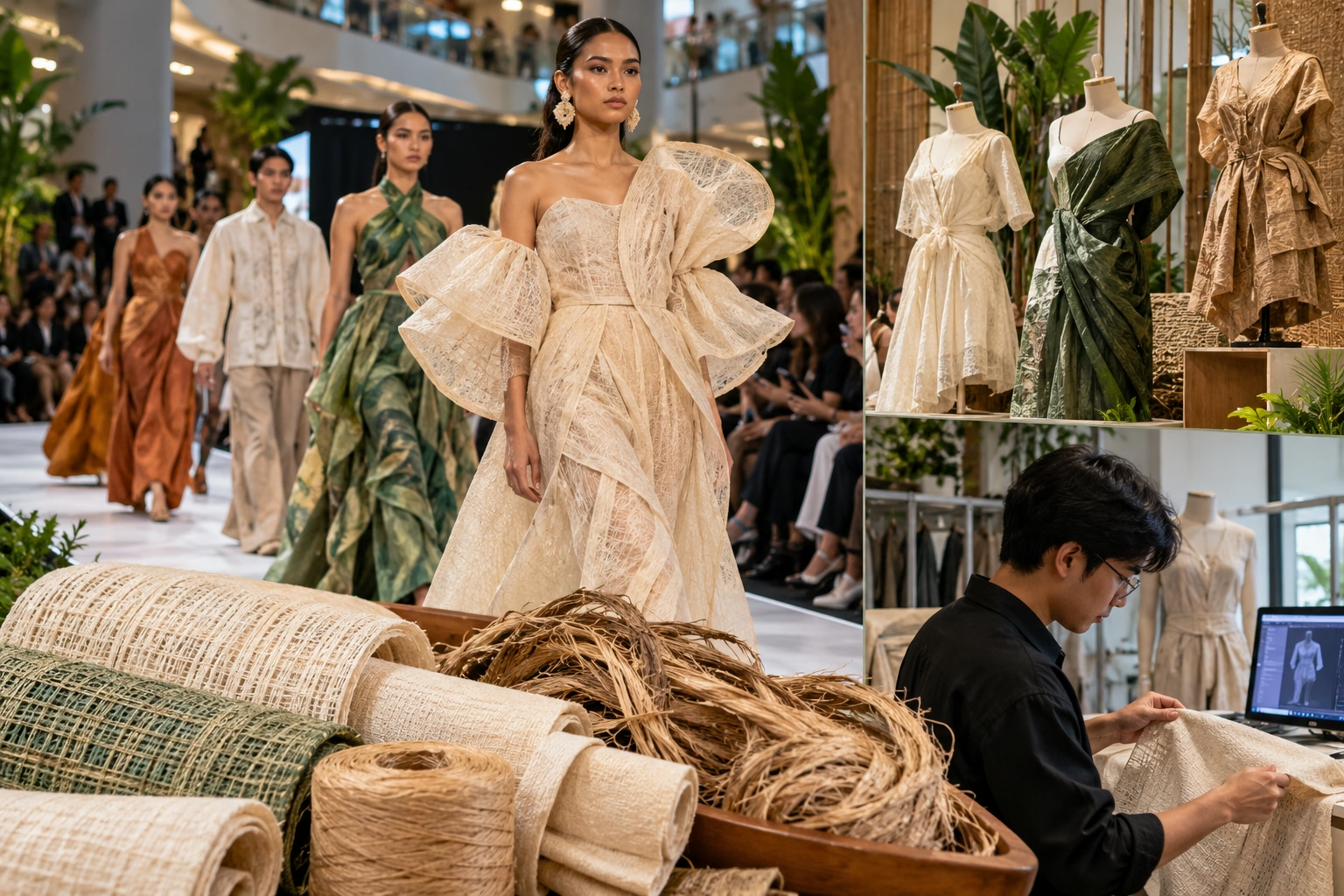
Sustainability is a key element of Mindanao’s fashion scene. Many local designers are committed to using eco-friendly materials like abaca, piña, and silk to create their designs. These materials are not only sustainable but also support local artisans, helping to preserve traditional crafts and provide economic opportunities for communities. Mindanao’s fashion industry is increasingly focused on ethical production, with designers and artisans working together to create pieces that respect both the environment and the cultural heritage of the region.
The influence of Islam also plays a significant role in the fashion scene of Mindanao. The Muslim population, particularly in the provinces of Sulu and Zamboanga, has developed its own distinct style of dress, characterized by modesty and elegance. Traditional garments like the “Baju Kurung” for women and the “Kris” dagger for men are often paired with modern accessories to create fashionable, yet modest outfits. This growing trend toward modest fashion is becoming more popular across the Philippines, and designers from Mindanao are at the forefront of this movement.
Jewelry-making is another integral part of Mindanao’s fashion culture. The region is renowned for its exquisite craftsmanship in creating intricate gold and silver jewelry, often inspired by tribal patterns, animals, and nature. These pieces are not merely decorative but also carry cultural significance, serving as symbols of status, identity, and heritage.
As Mindanao’s fashion industry continues to grow, the region’s designers and artisans are gaining recognition both locally and internationally. The fashion scene in Mindanao is evolving into a dynamic blend of tradition and modernity, with an emphasis on sustainability, cultural preservation, and innovative design. This evolution represents a new chapter in the region’s rich cultural history and serves as an exciting glimpse into the future of Filipino fashion.