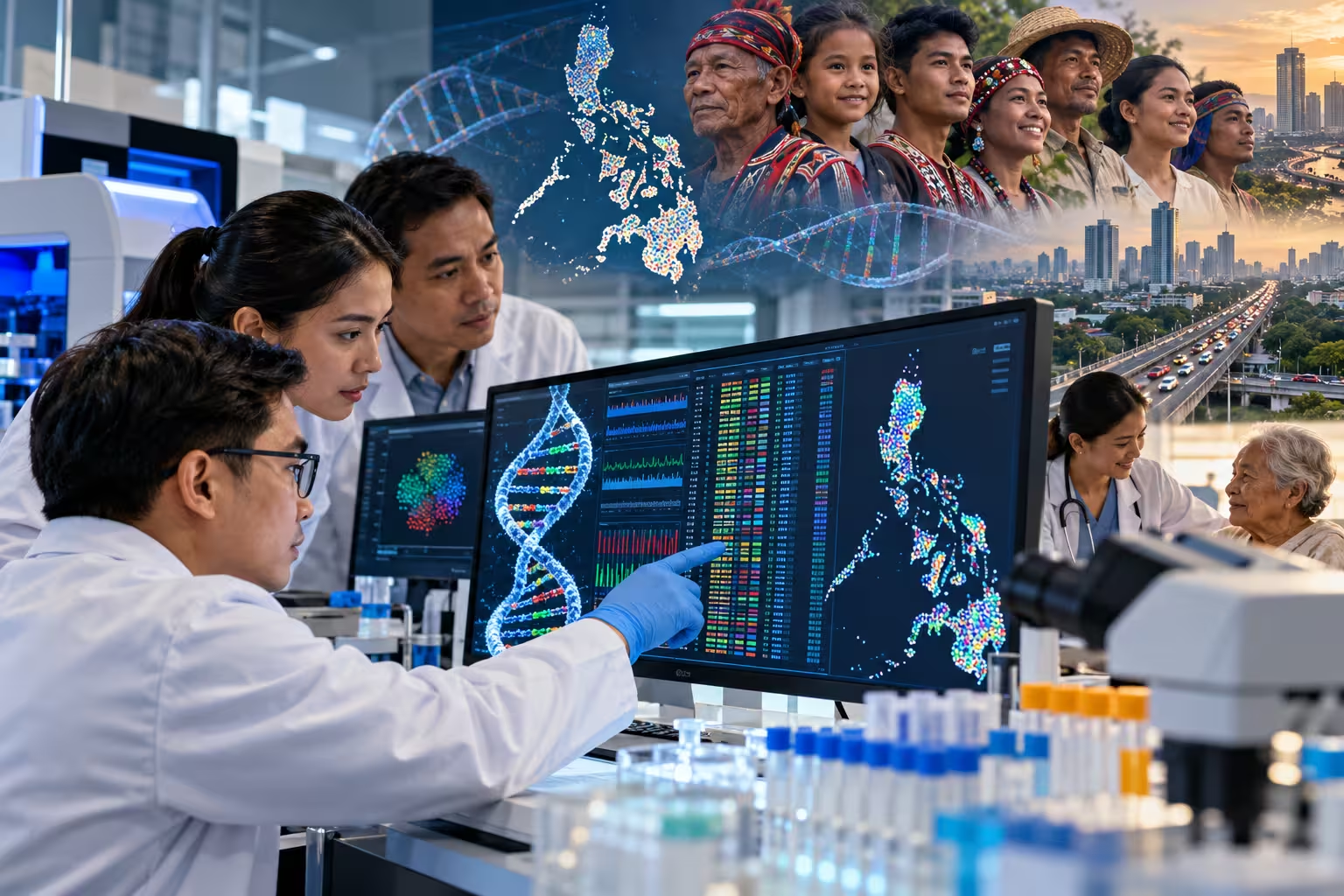

The health system in the Philippines faces a complex set of challenges despite its significant progress over the years. While the country has made substantial improvements in healthcare access, there are still various systemic issues that need to be addressed to ensure equitable and quality healthcare for all Filipinos.
Challenges:
- Limited Access to Healthcare Services
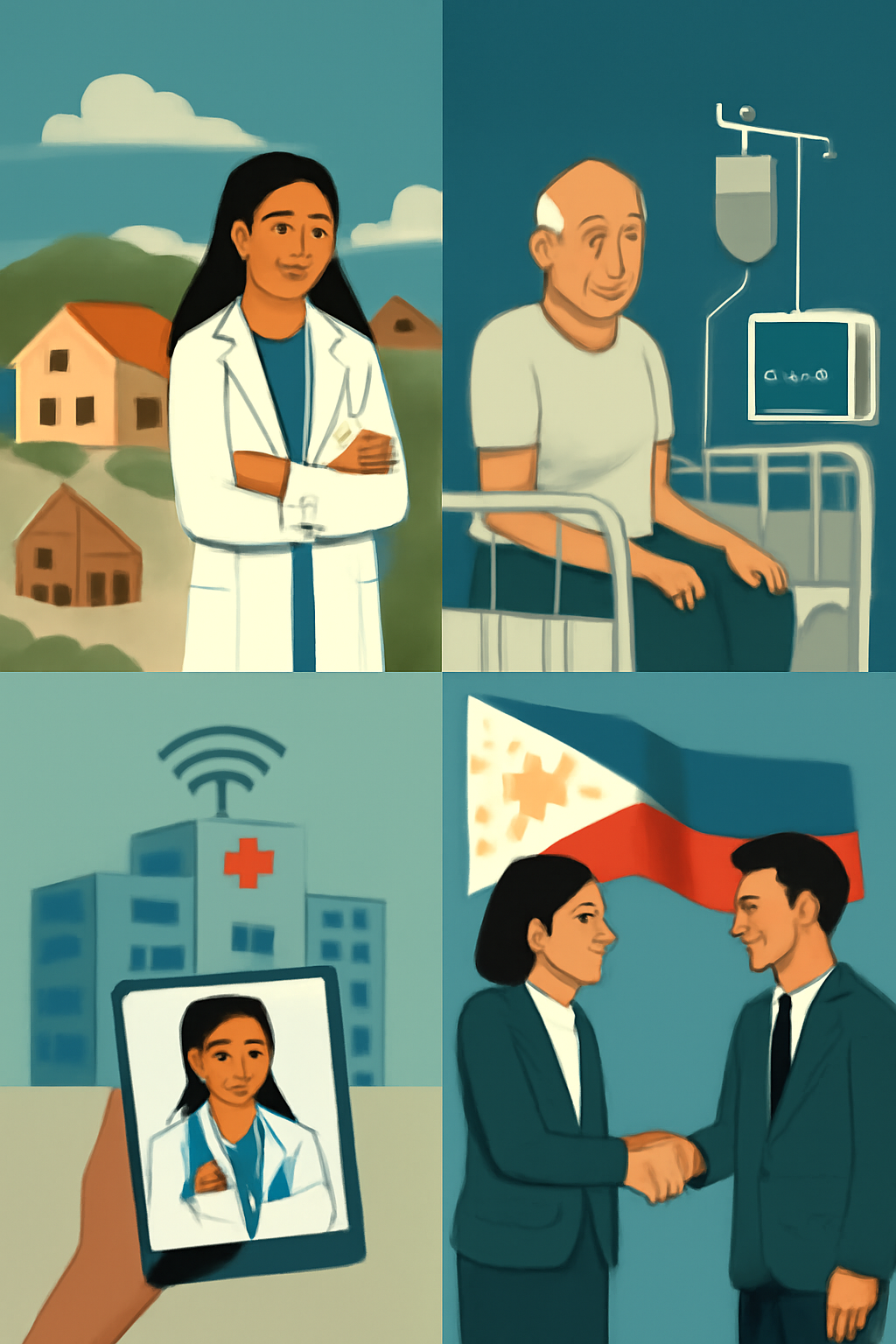
One of the main challenges in the Philippine health system is the disparity in access to healthcare services. Rural areas, especially remote islands and provinces, continue to experience a shortage of healthcare facilities and professionals. This results in low accessibility to primary care and specialized services for millions of Filipinos. - Underfunded Public Healthcare System
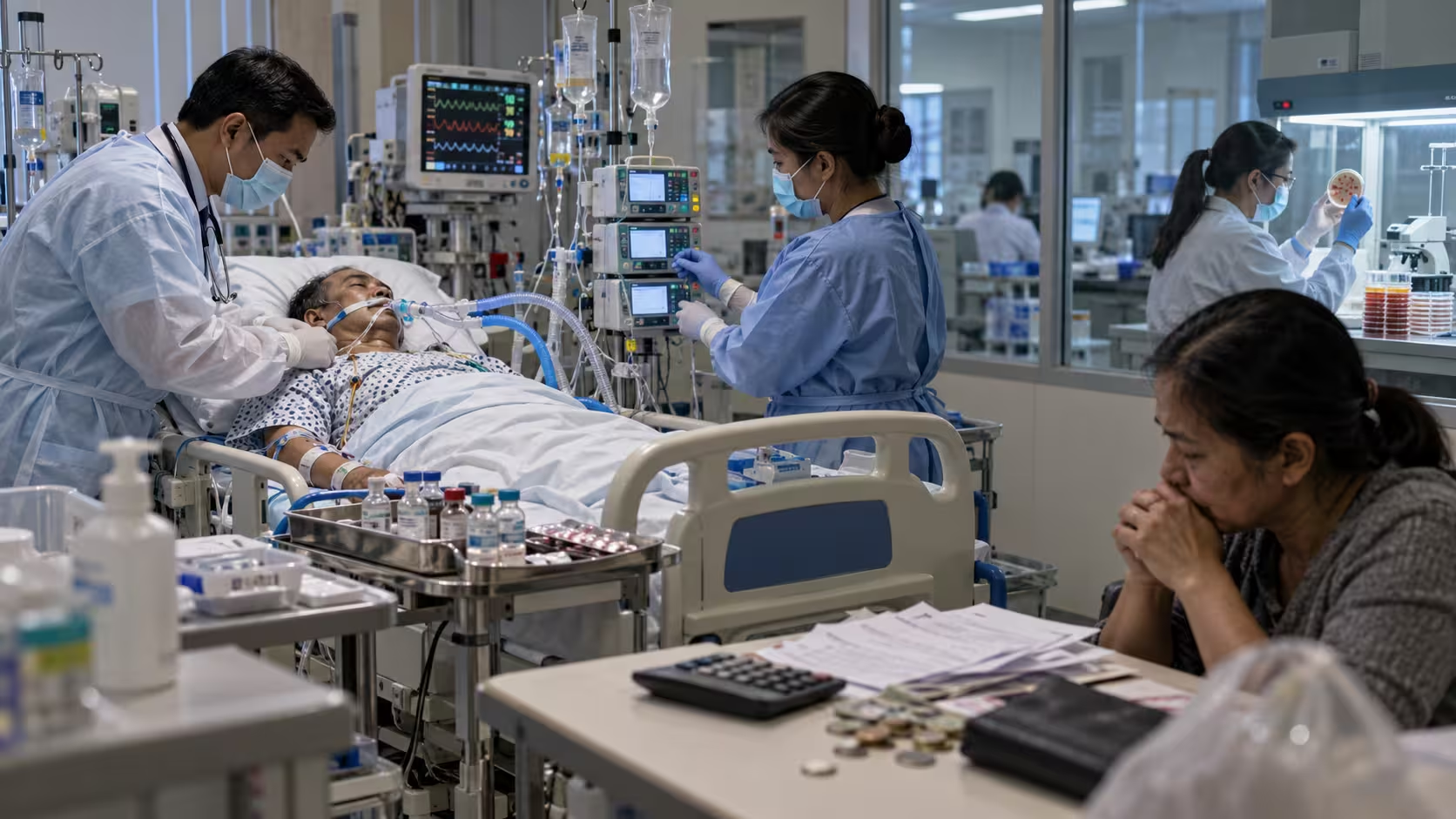
Although the government has made efforts to provide healthcare for all citizens, the public healthcare system remains underfunded, affecting the quality of services. Many public hospitals lack necessary equipment, and there is a shortage of medical staff in public health institutions. As a result, many people turn to private hospitals, which are often too expensive for lower-income families. - Health Inequities
Despite improvements in healthcare, there remains a significant gap in health outcomes between the wealthier and poorer segments of the population. Wealthier citizens can afford high-quality care, while those from lower-income families often face significant barriers, such as high out-of-pocket costs and long wait times.
Opportunities:
- Universal Health Care Law
The enactment of the Universal Health Care (UHC) Law in 2019 presents an opportunity to address many of the health system’s deficiencies. The law aims to provide equitable healthcare access for all Filipinos, particularly the marginalized sectors of society. By expanding the scope of PhilHealth, the country’s national health insurance program, more Filipinos can gain coverage for essential health services. - Telemedicine
Telemedicine is becoming increasingly important, particularly in underserved regions. The advancement of digital health technologies can bridge the gap in healthcare access by providing remote consultations, diagnostic services, and health monitoring. With internet penetration steadily growing in the Philippines, telemedicine has the potential to offer more affordable and convenient health services to those who live in rural areas. - Public-Private Partnerships
Collaboration between the public and private sectors can also help strengthen the health system. Private hospitals and healthcare providers can work alongside the government to improve the infrastructure and quality of care. Public-private partnerships can provide financial and logistical support to public healthcare institutions, creating a more sustainable health system.
Conclusion:
The Philippine health system has made strides in improving healthcare access and quality, but significant challenges remain. Through innovative solutions such as the UHC Law, telemedicine, and public-private partnerships, there is a clear path toward a more inclusive and equitable health system. By addressing these challenges, the Philippines has the opportunity to create a healthcare system that serves all its citizens.