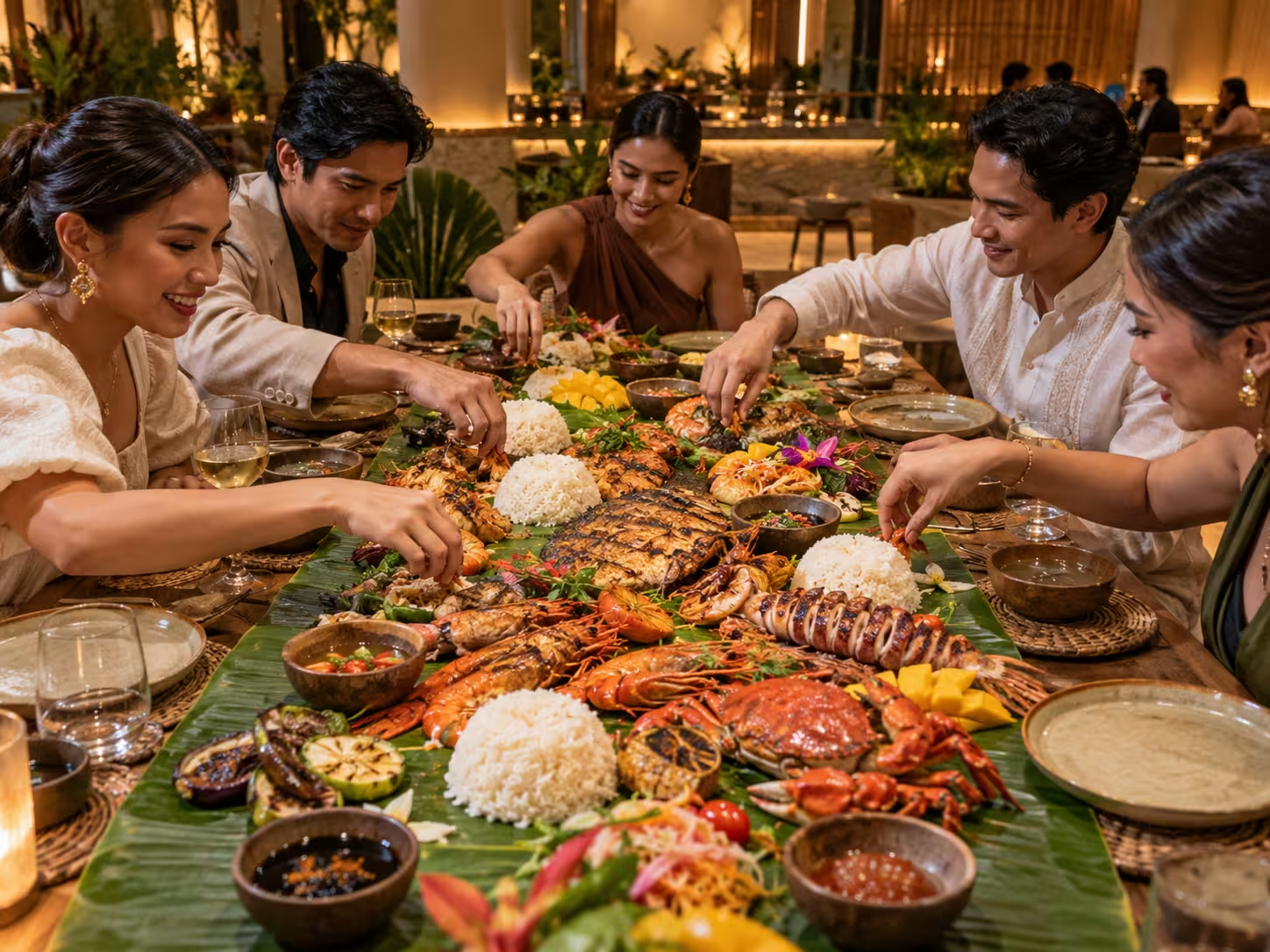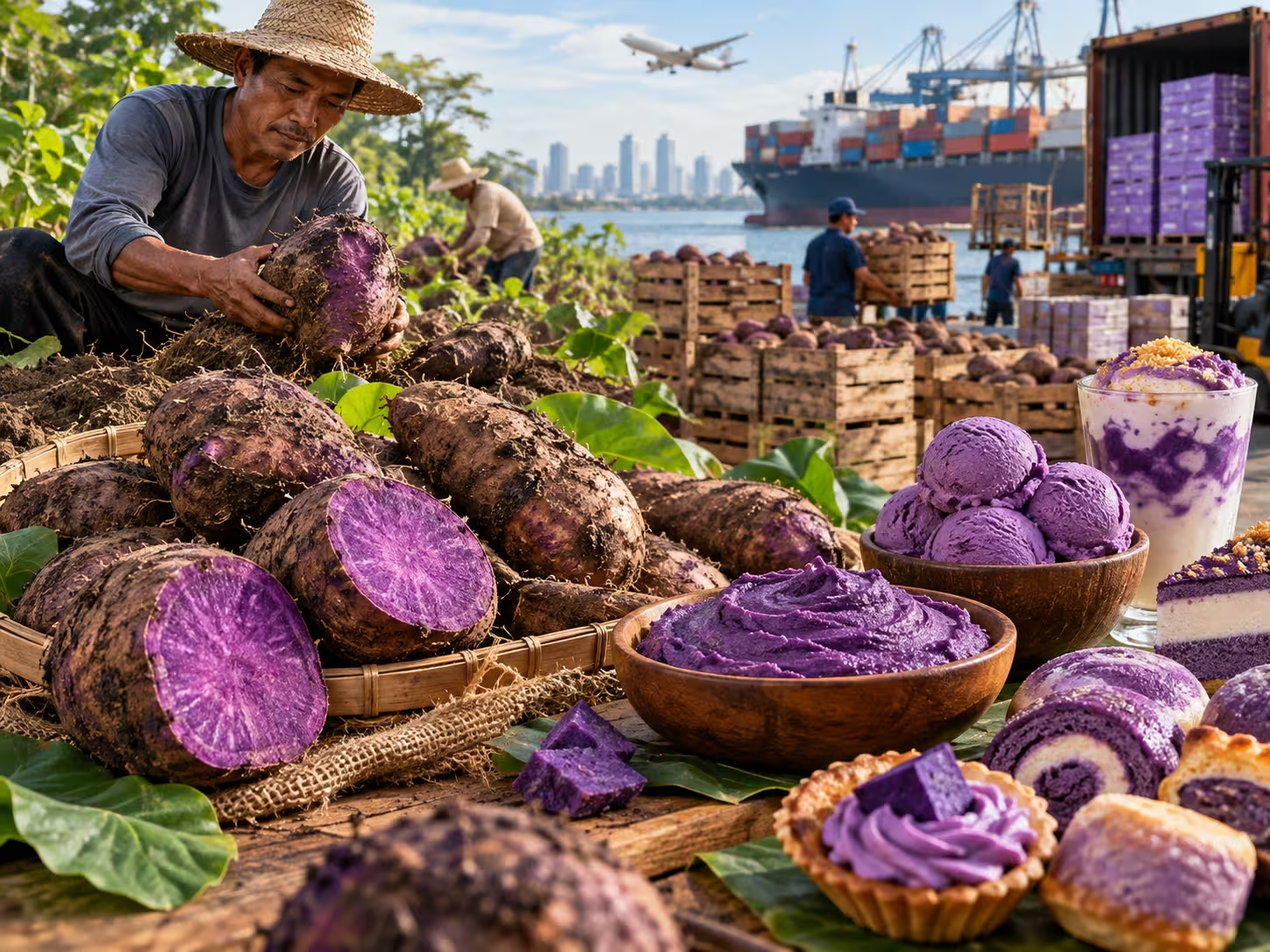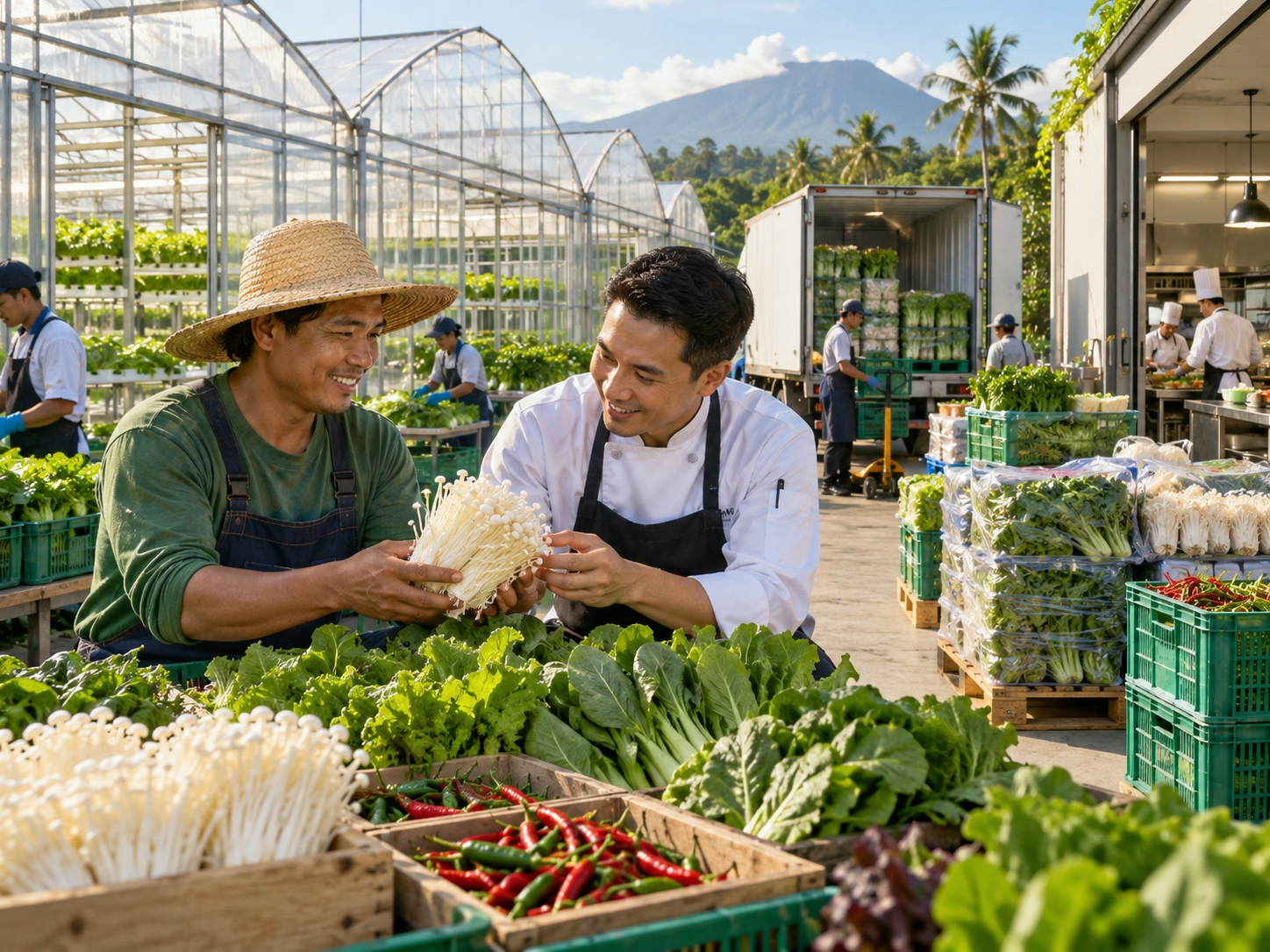

Filipino cuisine is as diverse as the islands that make up the Philippines. The cuisine blends indigenous ingredients with those introduced by traders, colonizers, and immigrants from various parts of the world. Among the most important elements in Filipino cooking are spices, which bring distinct flavors, aromas, and health benefits to Filipino dishes. The strategic use of spices creates a balance between savory, sweet, sour, and spicy, giving Filipino food its unique character.
Essential Spices in Filipino Cooking
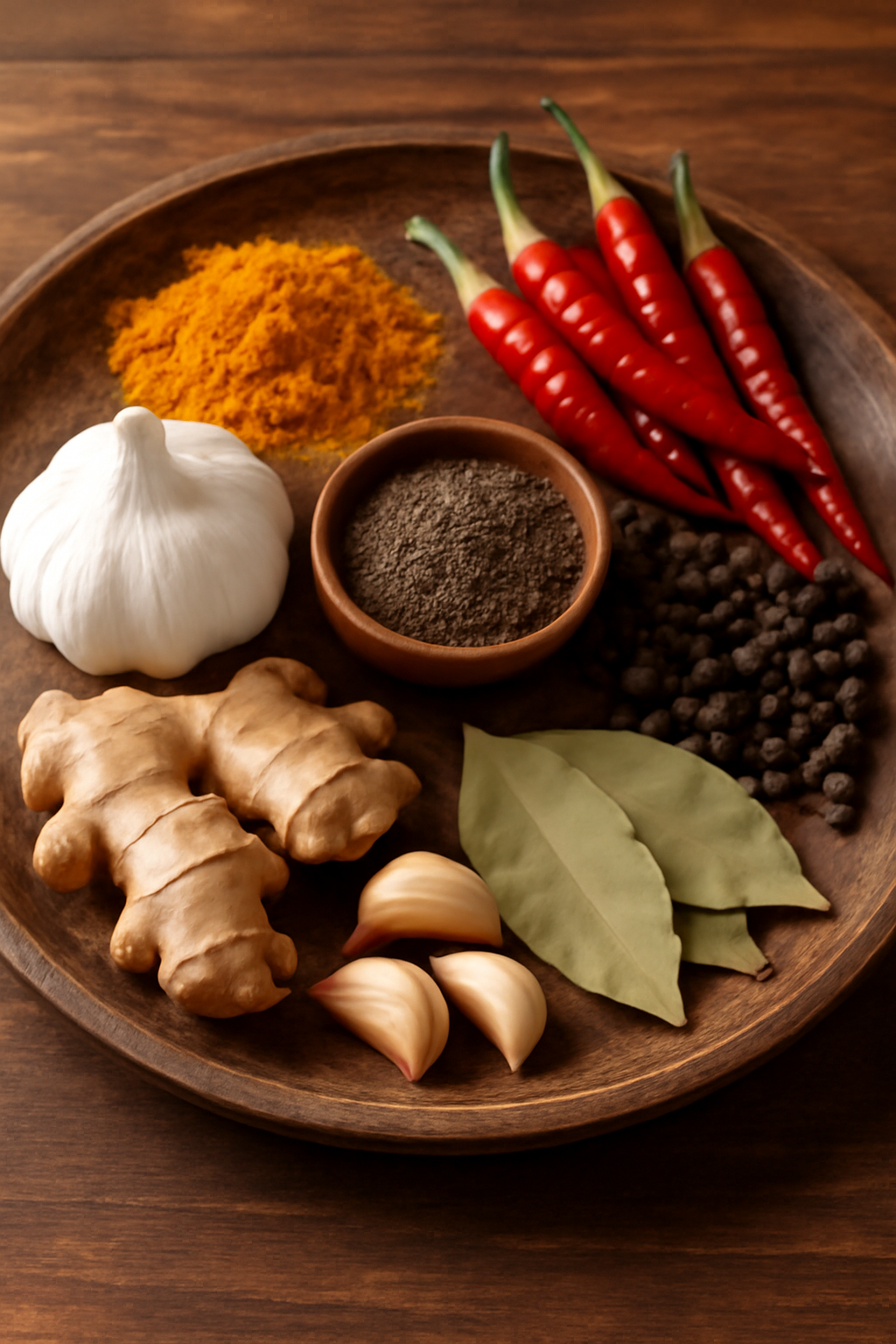
There are several key spices in Filipino cooking that are essential for creating the bold, layered flavors that the cuisine is known for:
- Garlic: Garlic is a staple in Filipino kitchens, used in virtually every dish. It provides an aromatic, savory foundation that enhances the overall flavor profile of dishes like “adobo,” “sinigang,” and “lechon kawali.” It is often sautéed to develop its sweetness and depth.
- Ginger: The warming and refreshing properties of ginger make it an ideal ingredient in Filipino soups and stews. It is especially important in dishes like “tinola” (chicken ginger soup) and “sinigang” (sour soup), where it complements the rich broth and tangy flavors.
- Bay Leaves: Bay leaves are integral to Filipino stews and braises. They lend an earthy, fragrant aroma to dishes like “adobo,” where they infuse the meat with a subtle depth of flavor as it cooks slowly in vinegar, soy sauce, and spices.
- Pepper: Pepper is widely used in Filipino dishes to bring a slight heat and enhance the savory flavors of meats and vegetables. Whether ground or whole, black pepper is used in a variety of dishes, from “sinigang” to “kaldereta.”
- Turmeric: Known for its deep yellow color, turmeric is commonly used in Filipino dishes such as “laing” and “bicol express.” It provides an earthy flavor and a beautiful, vibrant hue to the dishes.
- Chilies: Chilies are essential in many Filipino dishes that require a spicy kick. From fresh to dried, chilies are used in everything from stews to dips, adding a layer of heat to foods like “bicol express” and “adobo.”
Cultural and Historical Significance of Spices
Filipino cuisine reflects the country’s historical interactions with various cultures. The spread of spices across the Philippines can be traced back to the spice trade routes that brought influences from India, China, and Europe. These spices, once foreign, were quickly embraced by Filipino cooks and integrated into traditional dishes.