
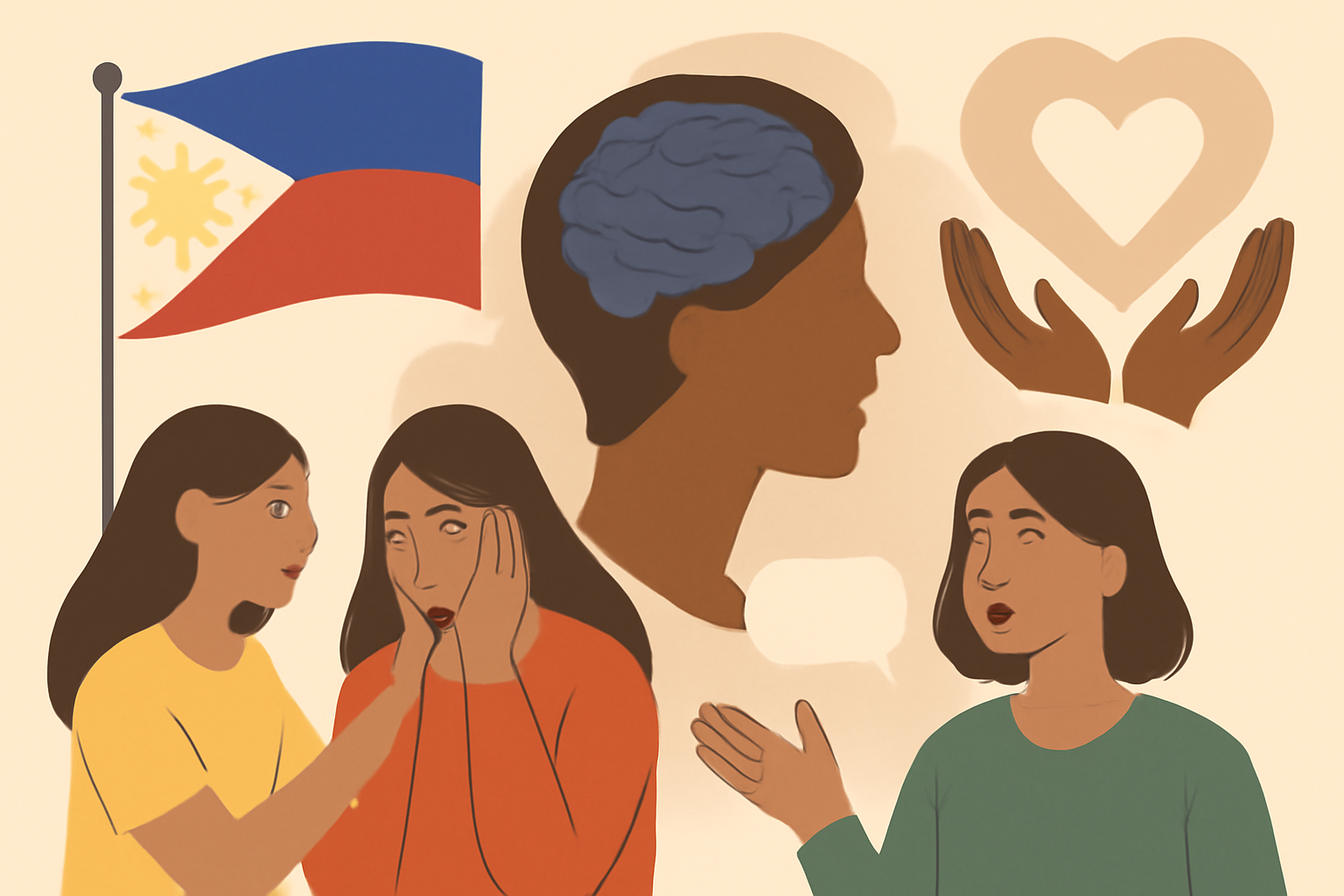
In recent years, mental health has become a topic of significant discussion in the Philippines. Traditionally, mental health was often overlooked, with little to no public discourse surrounding issues like depression, anxiety, and other psychological conditions. However, this is changing as more Filipinos are becoming aware of the importance of mental well-being, and society is beginning to recognize the profound impact mental health has on individuals, families, and communities.
Historically, mental health was stigmatized in the Philippines, with mental illness often seen as a taboo subject. Families might hide their struggles, or individuals suffering from mental health challenges were often silenced. This stigma created a cycle of isolation, where people didn’t seek the help they needed out of fear of being judged.
A significant shift began in 2018 with the passage of the Mental Health Act. This groundbreaking legislation mandated the establishment of a comprehensive mental health system in the country. The Act provides for the creation of mental health services in schools, workplaces, and communities, and ensures the availability of psychological support for Filipinos from all walks of life. This landmark law has laid the groundwork for a broader societal change, which is crucial for improving the lives of those living with mental illness.
The role of mental health awareness campaigns has also played a pivotal role in this shift. Through various initiatives, celebrities, social influencers, and public figures have been using their platforms to spread awareness and fight the stigma associated with mental health. Campaigns like “#MentalHealthMatters” have successfully started conversations around the importance of mental health, encouraging more people to seek help when needed. As these campaigns gain momentum, more individuals feel empowered to talk openly about their struggles.
Mental health in the workplace and educational institutions has also garnered attention. The government and private sectors are beginning to implement mental health programs, providing counseling and support services to employees and students. By incorporating mental health into school curricula and creating work environments that prioritize psychological well-being, the Philippines is taking steps toward a more holistic approach to health.
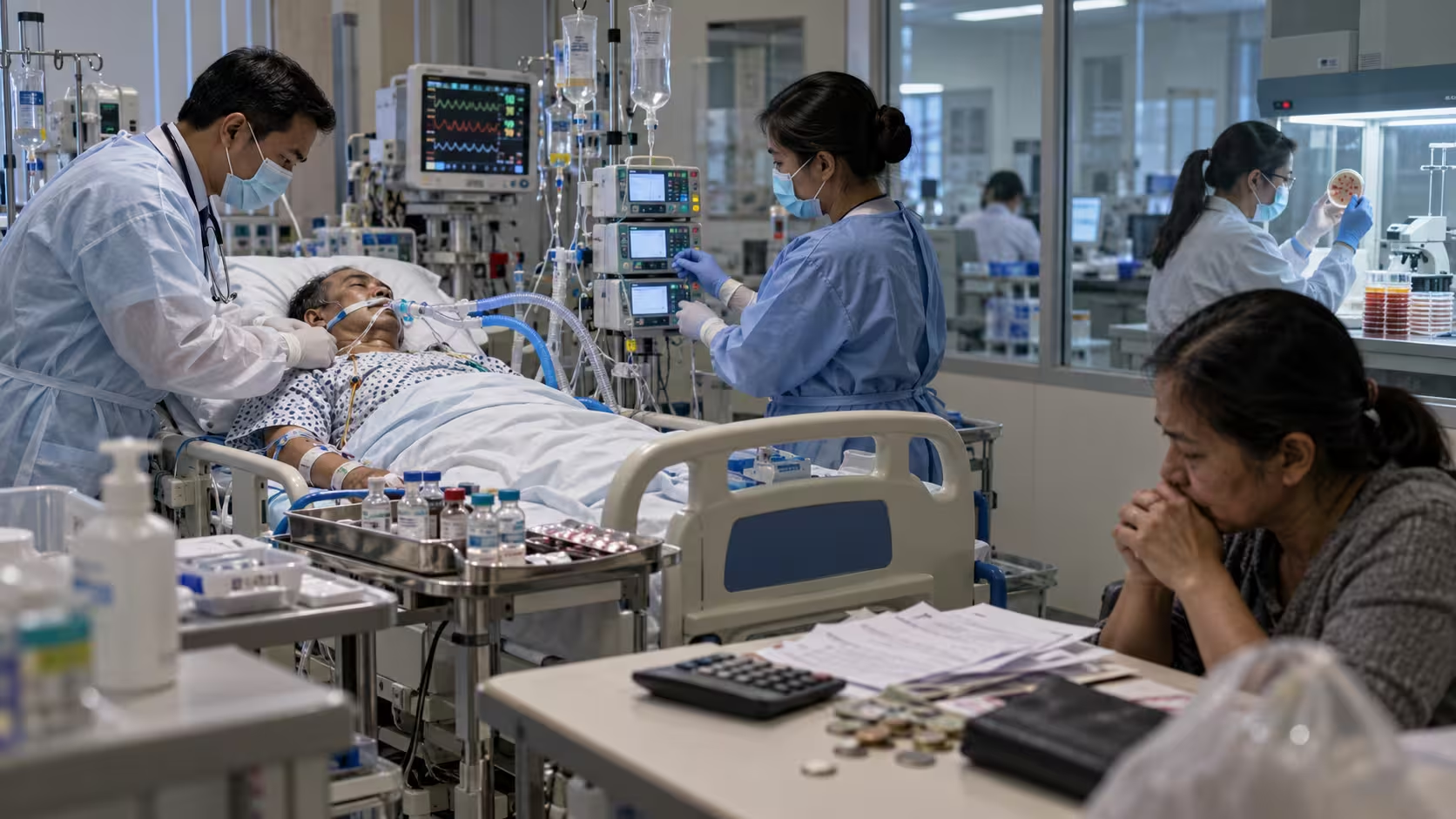
Despite the progress, challenges remain. There is still a shortage of mental health professionals, particularly in rural areas, where access to treatment is limited. Additionally, resources for mental health support remain concentrated in urban areas, which means many Filipinos continue to face barriers in seeking help. However, the growing awareness and advocacy for mental health are pushing for policy reforms and investments that aim to address these disparities.
Overall, the increased focus on mental health in the Philippines reflects a positive change in attitudes towards mental illness. With continued efforts to reduce stigma, expand resources, and educate the public, the future of mental health care in the Philippines is heading toward greater accessibility and understanding.